
Carbon monoxide is a colorless, odorless, and tasteless gas produced from the burning of fuel. It is extremely toxic and can be fatal in large enough doses. The idea that kilns, which are used for a variety of purposes, can produce carbon monoxide is certainly a cause for concern. So, are kilns a source of carbon monoxide? In this article, we’ll answer this question, discuss the dangers of carbon monoxide poisoning and how to detect and prevent it, as well as explore the effects carbon monoxide can have on the environment. We’ll also provide a few safety measures to bear in mind when using kilns and technologic alternatives.
What is a kiln?
A kiln is an oven-like device usually made of metal, concrete, or bricks. It is used for a wide range of activities, such as baking clay, drying lumber, and burning bricks. Kilns are also used to burn fossil fuels and biomass, such as wood chips and sawdust. In some cases, the kiln may be used to burn coal or other types of fuel, depending on the purpose.
Kilns are also used in the production of glass, ceramics, and pottery. The heat generated by the kiln is used to melt the raw materials, which are then shaped and cooled to create the desired product. Kilns are also used in the production of charcoal, which is used for a variety of purposes, such as fuel for barbecues and grills.
How does a kiln work?
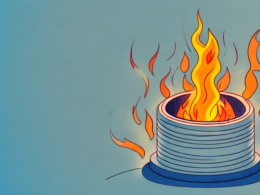
Kilns can be heated in a variety of different ways. The most common type of kiln is fired by burning fuel. The heat produced by the combustion is then transferred to the chamber, where the material to be processed is placed. The burning fuel becomes hotter and hotter, which causes the chamber to become increasingly hot. Depending on the type of kiln and fuel source, the temperature can reach up to 2000 degrees Fahrenheit or even higher.
The material inside the kiln is exposed to the high temperatures for a certain amount of time, depending on the desired outcome. This process is known as firing and can be used to create a variety of products, such as pottery, bricks, and glass. The firing process can also be used to strengthen and harden materials, such as metals and ceramics.
What is carbon monoxide?
Carbon monoxide (CO) is a colorless, odorless, and tasteless gas created during incomplete combustion. It is highly toxic when inhaled, as it blocks the binding of oxygen to hemoglobin in red blood cells and thus prevents blood cells from transferring oxygen throughout the body. In high enough concentrations, CO can be fatal.
How is carbon monoxide produced?
Carbon monoxide is produced whenever fossil fuels are burned under incomplete combustion conditions. These conditions occur when there is not enough oxygen present to completely convert the fuel molecules into carbon dioxide (CO2) and water (H2O). When there is not enough oxygen for complete combustion, some of the molecules break apart and reform into carbon monoxide.
The dangers of carbon monoxide poisoning
Carbon monoxide poisoning occurs when someone inhales the toxic gas over an extended period of time. Symptoms of CO poisoning include dizziness, headaches, chest pains, nausea, and confusion. Long-term exposure to CO can cause permanent damage to the brain and other organs. In extreme cases, it can even lead to death.
How to detect and prevent carbon monoxide production from kilns
The best way to detect carbon monoxide production from a kiln is with an electronic carbon monoxide detector. These devices can detect small amounts of CO and alert you when the levels become dangerous. Additionally, it is important to make sure that the kiln has sufficient ventilation so that combustion can occur completely, thus preventing the formation of carbon monoxide.
Effects of carbon monoxide on the environment
In addition to the danger it poses to people, carbon monoxide emission can have serious effects on the environment. CO reacts with air to form ozone (O3), which can lead to smog and acid rain. Additionally, CO can reduce the effectiveness of photosynthesis, which in turn can lead to decreased crop yields.
Safety measures for using kilns
There are several safety measures to keep in mind when using kilns in order to minimize the risk of carbon monoxide production. First, make sure that there is sufficient ventilation for complete combustion. Use an electronic detector for CO if available. Make sure that fuel sources such as coal or wood are stored properly and away from any heat source. Finally, always use protective gear such as masks or goggles when working with materials that produce smoke or fumes.
Alternatives to using kilns
If you are looking for an alternative to using a kiln, there are several technologic alternatives available. Microwave pyrolysis is an effective alternative to burning biomass such as wood chips. Additionally, cogeneration techniques that use biomass-based fuels can provide an efficient and cost-effective means of producing both electricity and heat while reducing emissions.
To summarize, there is a risk that kilns could produce carbon monoxide. In order to ensure safety, it is important to make sure that the kiln has sufficient ventilation and that fuel sources such as coal or wood are stored properly. By following safety measures and using an electronic carbon monoxide detector if available, you can help to minimize this risk. If you are looking for an alternative, technologies such as microwave pyrolysis and cogeneration may provide an effective solution.