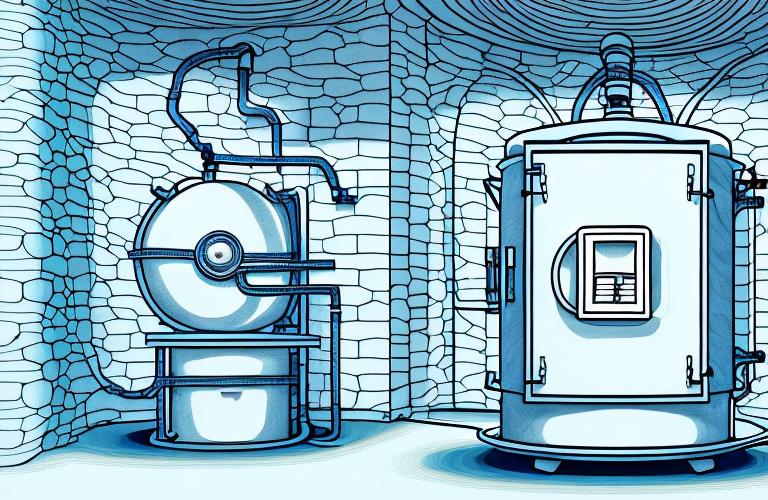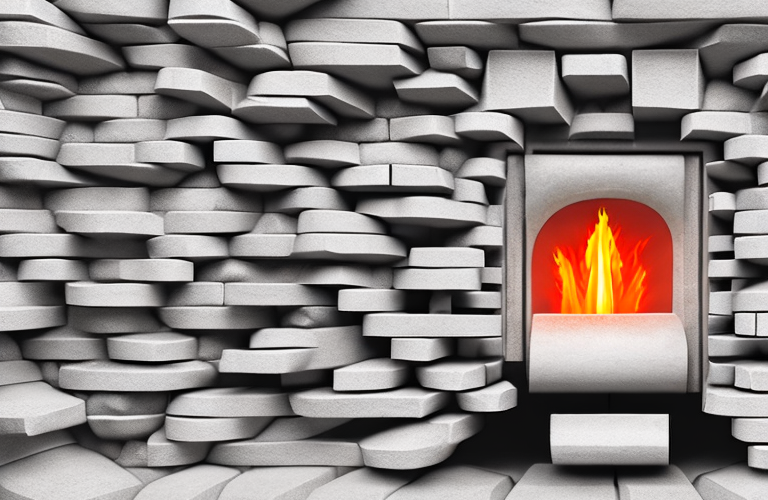

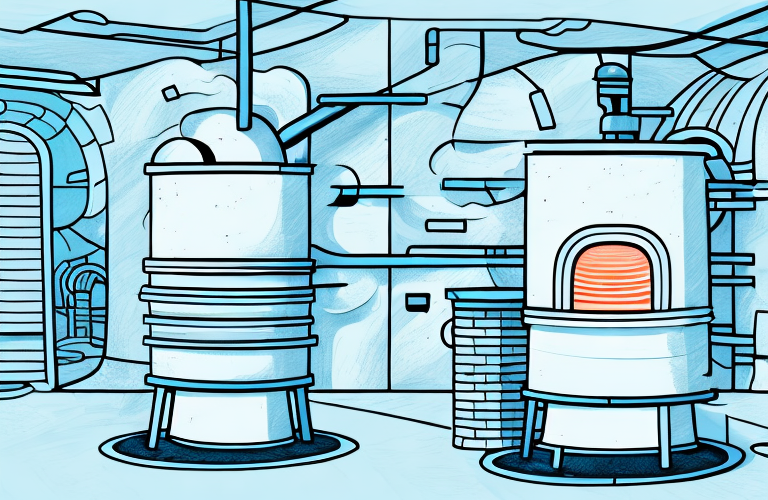
Kilns are great tools for artists and science enthusiasts, but they can generate a lot of heat when in use. It’s important to understand the potential temperature impacts of your kiln, the benefits of installation, and appropriate safety precautions. In this article, we will explore how hot a room can get with a kiln in it, along with advice on proper ventilation and general safety considerations.
Understanding Kiln Heat Output
When evaluating the temperature increases over a specific area, you should consider factors like the temperature of the kiln, the material being fired, the insulation of the kiln itself, the amount of ventilation, and the insulation of the room.
Generally speaking, a kiln in a non-ventilated room can reach up to 300 degrees Fahrenheit (149 degrees Celsius). However, it’s important to note that kilns generate a lot of heat quickly and are constantly in flux – so it’s best to monitor your setup with a thermometer and make sure you achieve the desired temperature.
It’s also important to consider the size of the kiln when determining the heat output. Smaller kilns may not be able to reach the same temperatures as larger kilns, and may require additional insulation or ventilation to reach the desired temperature. Additionally, the type of fuel used to power the kiln can also affect the heat output, as some fuels may burn hotter than others.
Factors That Impact Room Temperature with a Kiln
The primary factors affecting temperature increase are the material being fired, the amount of insulation in the kiln, and the amount of ventilation. Firing clay or glass will require much hotter temperatures than other materials, such as metals. Clay and glass release gases when heated, so adequate ventilation is key to letting those gases escape. Furthermore, the insulation around the kiln will help retain heat and maintain a consistent temperature.
The size of the kiln is also an important factor to consider. Smaller kilns will require less energy to heat up, but they will also cool down faster. Larger kilns will take longer to heat up, but they will also retain heat for longer periods of time. Additionally, the type of fuel used to power the kiln will also affect the temperature. For example, electric kilns will heat up faster than gas kilns, but they will also cool down faster.
Proper Ventilation for Kilns
Using a fan to blow air out of your kiln room is key to controlling the ambient temperature. Without proper ventilation, the heat generated can build up in the room and cause dangerously high temperatures. It’s also important to install an exhaust fan for gases that could be hazardous to your health if not released. This is especially true if firing clay or glass.
When installing a fan, make sure it is powerful enough to move the air out of the room quickly. It should also be placed in a location that will allow the air to be drawn out of the room efficiently. Additionally, it is important to ensure that the fan is properly sealed to prevent any air from entering the room from outside sources.
Keeping the Room Temperature Safe
It is important to be aware of the room temperature to ensure it remains safe. Rooms that are not properly ventilated can become too hot, while rooms with no insulation can become too cold. It is important to monitor the temperature of your kiln and the room it is housed in with a thermometer during operation. You should also schedule regular breaks to allow the room to cool down.
In addition to monitoring the temperature of the room, it is important to ensure that the kiln is properly ventilated. This can be done by opening windows or using a fan to circulate air. It is also important to make sure that the kiln is not placed too close to any combustible materials, as this can increase the risk of a fire.
The Benefits of Installing a Kiln
Aside from expanding individual’s artistic capabilities, installing a kiln also offers a few environmental benefits. Many materials require very high temperatures to fuse, which is why installing a kiln can be more appropriate than burning wood or coal. In addition, kilns generate heat slowly, so they are more efficient and create less smoke than burning wood.
Safety Considerations for Operating a Kiln
Using a kiln safely is essential to avoid any potential risks. All personnel working with or near a kiln should be aware of the common safety precautions- working in well-ventilated areas with proper protective gear and avoiding contact with hot materials. When firing clay and glass, it is also important to wear eye protection and respiratory masks.
Tips for Reducing Heat Output from a Kiln
Heat output from kilns can be reduced by using more insulation in the kiln chamber and using an efficient fan for venting hot air out of the room. Additionally, using kilns made out of high-quality materials like ceramic fiber can also help minimize heat output and reduce cooling time between firings.
Overall, understanding how hot your room can get with a kiln will help you make sure you’re using it safely. As long as you have adequate ventilation and insulation, you shouldn’t need to worry about dangerous room temperatures. With proper setup and safety protocols in place, you can use your kiln safely and confidently.