When it comes to brickmaking, the length of time that bricks spend in the kiln is of paramount importance. The firing process in the kiln helps to give bricks their desirable properties and qualities, and the length of time that bricks spend in the kiln can greatly affect the end result of the finished product.
What is the firing process for bricks?
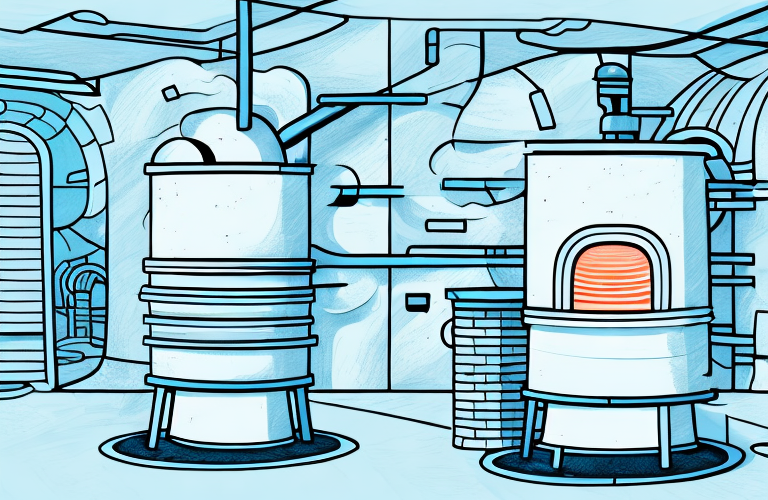
Brick firing is a process in which bricks are heated to various temperatures, depending on the type of brick and desired qualities. The kiln is a furnace that carries out this process, reaching temperatures of up to 2,000 degrees Fahrenheit. During the firing process, the chemical composition and physical structure of each brick is changed, resulting in the finished and desired product.
The firing process is an important step in the brick-making process, as it helps to ensure that the bricks are strong and durable. It also helps to give the bricks their desired color and texture. The firing process can take anywhere from a few hours to several days, depending on the type of brick and the desired outcome.
What factors affect the length of time bricks are in the kiln?
The length of time that bricks stay in the kiln is largely determined by the desired properties of the bricks. Different types of bricks will require different amounts of time for firing and cooling, depending on such factors as their intended use and strengths desired. Additionally, different temperatures within the kiln will have a major influence on how long bricks remain in the kiln. For example, soft-fired bricks may require 1-2 hours at 900°F, while hard-fired bricks will require 8-12 hours at 1,200°F.
The size of the bricks can also affect the length of time they are in the kiln. Smaller bricks will require less time to fire and cool than larger bricks, as they will heat up and cool down more quickly. Additionally, the type of fuel used to fire the kiln can also have an effect on the length of time bricks are in the kiln. Different fuels will burn at different temperatures and for different lengths of time, which can affect the amount of time bricks are in the kiln.
What are the benefits and drawbacks of long-term kiln firing?
One of the benefits of long-term kiln firing is that bricks become harder and more durable. This increases their overall strength and makes them more resistant to environmental hazards such as freezing temperatures. Additionally, prolonged firing allows for a more consistent shape and size among the brick pieces, resulting in more uniformity if the brickwork is visible. On the other hand, long-term firing can lead to significant energy costs and higher emissions if done incorrectly.
How to maintain a safe temperature during kiln firing?
It is important to maintain a safe temperature within the kiln during brick firing. This is done by monitoring the temperature within the kiln with a thermometer; if the temperature goes too high or low, a risk of brick deformation or cracking may occur. To avoid such problems, the kiln should be set to a specific temperature that will safely fire each brick type within the time frame prescribed.
How to determine when bricks have finished in the kiln?
In order to determine when bricks have finished firing in a kiln, it is important to use a thermometer to measure their internal temperature. When the internal temperature reaches 200°F, bricks are sufficiently fired. Additionally, if the surface of the brick is no longer biscuit (light yellow) but red-orange instead, this is a good indication that they are ready.
What safety measures should be taken when dealing with hot bricks coming out of the kiln?
When handling hot bricks coming out of a kiln, it is important to take safety precautions. All workers should be wearing protective gear such as heat resistant gloves and glasses, and gloves should be checked regularly for signs of degradation or wear. Additionally, power tongs should be used when handling the hot bricks, only released when both sides have safely been secured.
What types of materials can be fired in a brick kiln?
In addition to bricks, many other types of materials can be fired in a brick kiln. These include roof tiles, pottery, tiles, glass and even mortar. Depending on the desired properties for each material type and temperature variable as well as climate variables will dictate how long each material has to stay in the kiln.
How do different types of brick respond to different kiln temperatures and timings?
Different types of brick require different temperatures and timing within a kiln in order to achieve their desired properties. Soft-fired brick require a temperature ranging between 800-900°F (427-482°C), while hard-fired bricks require temperatures between 1,150-1,300°F (621-704°C). Soft-fired bricks can take 1-2 hours for firing, while hard-fired bricks require up to 12 hours or longer.
What are the best practices for successful brick kiln firing?
Following best practices when firing bricks in a kiln is essential for successful results. First and foremost, proper ventilation must be maintained within the kiln. This helps ensure that hazardous materials such as carbon monoxide are not released into the atmosphere. Additionally, safety protocols should always be followed when dealing with hot bricks coming out of the kiln. Finally, using the correct temperatures and timing for each type of brick is key for achieving desired effects.
In conclusion, success when firing in a brick kiln depends on numerous factors, including temperature and timing. Knowing how long to keep each type of brick in the kiln is essential for achieving desired results from firing. As long as all safety precautions are taken and best practices are followed, creating high quality brickwork is possible.