
Pottery is an ancient creative art form that’s been practiced for thousands of years. Ceramics artists use clay to create beautiful pottery objects, sculptures, and functional vessels. Selecting the right clay is essential to successful pottery making. In this article, we’ll explore the different types of clay available for pottery, the properties of clay, methods for working with and shaping the clay, and tips for beginners.
Types of Clay Suitable for Pottery
Clays used in pottery come from a variety of sources, including natural clay lumps, pure clay minerals, and materials synthesized in a lab. The most commonly used clays are earthenware clays, which are composed of kaolinite and other materials that have been artificially mixed together. Earthenware clays can also be blended with refractory materials, such as sand or grog, to make them more suitable for forming hard-wearing pieces of pottery.
Other types of clay used in pottery include stoneware clays, which are composed of feldspar and quartz, and porcelain clays, which are composed of kaolinite and feldspar. These clays are more difficult to work with than earthenware clays, but they are also more durable and can be used to create pieces of pottery that are both beautiful and long-lasting.
Understanding Clay Properties
The properties of clay can vary greatly depending on the source. Generally, clay is divided into categories based on its plasticity, or how easily it can be formed. Low-plasticity clay is harder to work with and tends to crack in larger pieces. High-plasticity clay is more malleable and resistant to warping and shrinkage. Clays also have different firing temperatures depending on the types of minerals present. It’s important to have a basic understanding of these properties to help you choose the best clay for your project.
Preparing and Working with Clay
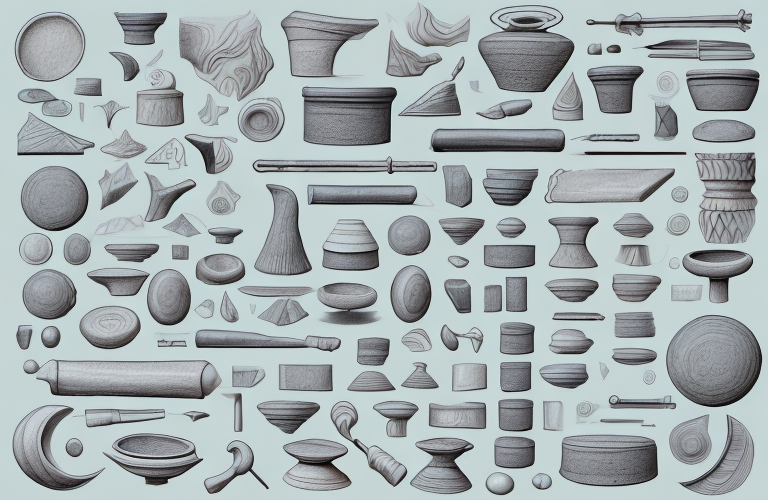
When working with raw clay, it’s important to prepare it properly before using it in your pottery. This usually involves adding water and blending in any other necessary materials, such as grog or sand. It’s also important to make sure the clay is thoroughly kneaded to make it more malleable before it can be shaped. After preparing the clay, potters can use various objects such as wedging tools, sgraffitto tools, and potter’s wheels to shape the clay into the desired shape.
Choosing a Clay for Your Project
Choosing the right clay for your project is essential for achieving the best results in pottery. Consider the type of project you are working on and evaluate the properties of the different types of clays available. Evaluate the plasticity, shrinkage rate, and firing temperature in order to choose the most suitable clay for your project. Talk to other potters or your local pottery supplier to get advice on which type of clay is best for you.
Commonly Used Clays for Pottery
There are many types of clay available for pottery, including stoneware clay, earthenware clay, porcelain clay, and Raku clay. Each type of clay can produce different effects and results due to their unique properties. Stoneware clays are strong, durable, and fire at higher temperatures than other types of clays. Earthenware is a low-fired type of clay that is more porous and tends to melt at lower temperatures than stoneware. Porcelain clays are a type of high-fired, non-porous clay that produces a translucent effect when fired. Lastly, Raku clays have a unique look and character due to their low-fired firing temperatures.
Techniques for Shaping the Clay
Once you’ve chosen the right type of clay for your project, there are plenty of techniques available for shaping and forming it into the desired shape. One common method is called slab construction, in which slabs of clay are rolled out and cut into shapes with a wire or ruler before being joined together. Another popular method is coil construction, in which long coils of clay are built up before being smoothed down by hand. More advanced techniques include slip casting and press molding, both of which involve pouring liquid clay into molds to create complex shapes.
Drying and Firing Clay
Once you’ve shaped your pottery piece and allowed it to dry, you can then fire it in a kiln. The temperature at which you fire your pottery depends on the type of clay used and the desired effect. Low-fired earthenware pieces are fired at temperatures between 1600-1800 ˚F, while stoneware pieces are typically fired at higher temperatures between 2200-2400˚F. Porcelain pieces may need even higher temperatures depending on their composition.
Tips for Beginners Working with Clay
Making pottery can be an enjoyable and rewarding experience for anyone, even beginners. Before getting started, it’s important to do some research on different types of clay and their properties. You should also practice working with different types of clays to get a sense of how they feel beneath your fingers. Additionally, having a good set of pottery tools will help you create more complex pieces with greater accuracy. Above all else, remember that practice makes perfect when it comes to pottery!
Creating Unique Pieces of Pottery with Clay
With a bit of practice, anyone can create unique pieces of pottery with clay. Remember to select the right type of clay for your project based on its properties and firing temperature. Once you’ve chosen the right clay and have some practice working with it, you’ll be ready to craft beautiful pieces of pottery from the comfort of your own home. And soon you’ll be an expert potter!