Pottery is a craft that has been around for centuries, used to make beautiful and unique objects for decoration, storage, and even functional use. Pottery is a rewarding and therapeutic hobby that can be enjoyed by both children and adults of all ages.
There are many different types of pottery that can be produced, with some being easier than others. This article will explore some of the easier pottery forms, and help you understand the benefits of each so you can choose one that is best for you.
Types of Pottery
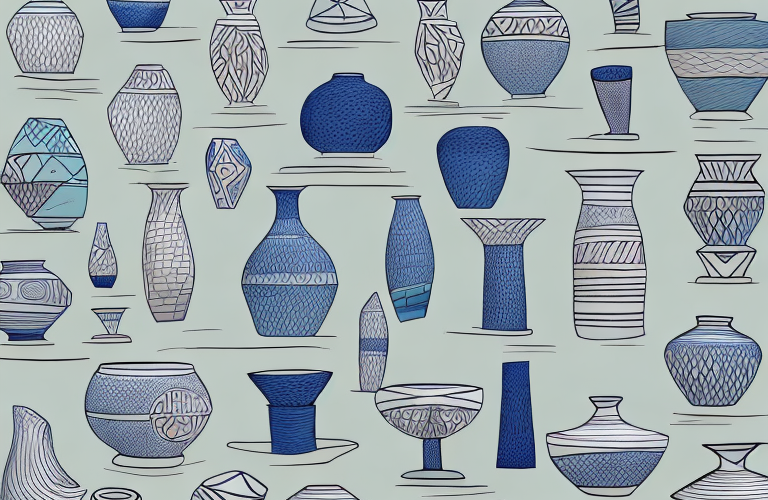
The first step in selecting the right pottery form is to understand the different types of pottery that exist. The two main types are ceramics and porcelain. Ceramics are a type of clay fired at a lower temperature, and include common items like plates and vases. Porcelain is fired at a higher temperature, and can be glazed to produce a wide variety of colours and decorative patterns.
In addition to ceramics and porcelain, there are also other types of pottery such as terracotta, stoneware, and earthenware. Terracotta is a type of clay that is fired at a lower temperature and is often used to make garden pots and planters. Stoneware is fired at a higher temperature and is often used to make oven-safe cookware. Earthenware is a type of clay that is fired at a lower temperature and is often used to make decorative items such as figurines and sculptures.
Ceramics vs. Porcelain Pottery
Ceramics are usually easier to work with than porcelain due to the lower temperature they are fired at. However, they are also less durable and can be more difficult to shape into complex figures or objects. Porcelain, on the other hand, is harder and more durable, as well as being able to achieve a greater level of detail than ceramics. Porcelain also has a glossy finish when it is glazed.
Basic Techniques for Beginners
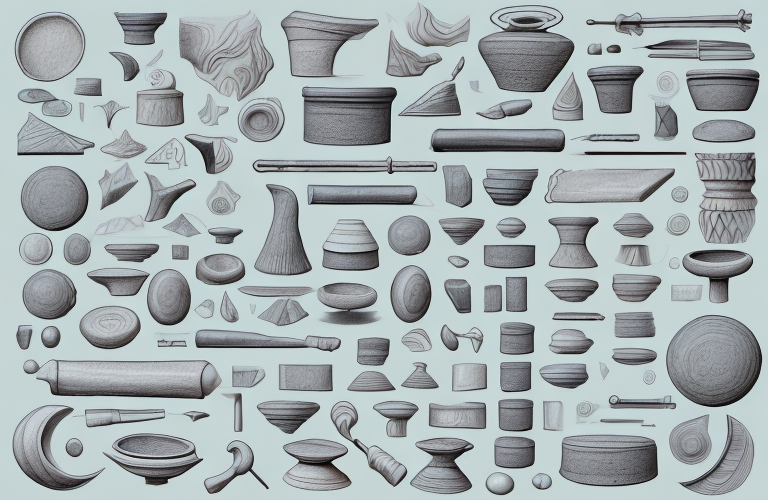
When selecting an easier pottery form, the techniques used to create the object are important too. There are several basic techniques that can be used to make simple pieces of pottery. These include slab building, coil building, pinch pottery, slab rolling and slip casting. Slab building is one of the simplest techniques for beginners, as it involves rolling out a slab of clay and cutting shapes from it. Coil building and pinch pottery involve working the clay into shapes by hand, while slab rolling involves rolling a slab of clay out evenly until it becomes thin enough to create shapes from. Slip casting is a more advanced technique which involves pouring liquid clay into a mould.
The Benefits of Easier Pottery Forms
Easier pottery forms offer a range of potential benefits. They allow people with no prior experience to start making pottery quickly and with less frustration, allowing them to learn the fundamentals of the craft without being overwhelmed. Easier forms are also more affordable, as they require fewer tools and materials. In addition, they offer the opportunity to manipulate clay in ways which would be impossible with harder forms like porcelain.
Popular Easier Pottery Forms
The most popular easier pottery forms are slab building, coil building, pinch pottery and slip casting. Slab building is great for creating flat objects like plates and tiles, as well as more complex three-dimensional pieces like vases. Coil building is perfect for sculpting items like bowls and cups. Pinch pots are good starting points for more experienced potters, who can use them to make small pieces like thimbles or jewellery.
Tips for Choosing the Right Pottery Form
When selecting an easier form of pottery, it’s important to consider your skill level and experience. Those who are just starting out may wish to begin with simple slab building, while those with some experience can try more complicated methods like slip casting or coil building. It’s also important to understand the types of clay available and how they will affect the finished piece.
Tools and Materials Needed for Easier Pottery Forms
No matter what type of pottery you choose to make, there are some basic tools and materials that are necessary for any project. These include clay (either in pre-mixed form or dried lumps), kilns for firing, glazes for decorative finishes, sponges and other tools for shaping or decorating the clay, and a variety of drying tools such as a small table or large canvas.
Where to Find Expert Advice on Easier Pottery Forms
If you’re new to pottery and would like help with getting started or choosing the right form for you, there are plenty of resources available online and in person. Many local arts centres offer classes in pottery, while there are also numerous Youtube channels dedicated to teaching beginners all they need to know. The internet also provides a wealth of resources including blogs, forums, websites and videos which can help answer any questions you may have.
Pottery is a rewarding craft that can help you relax, create unique objects for yourself or others, and keep your mind sharp. Understanding the different types of pottery and choosing an easier form for beginners can make it easier to get started and make your first few creations with confidence.