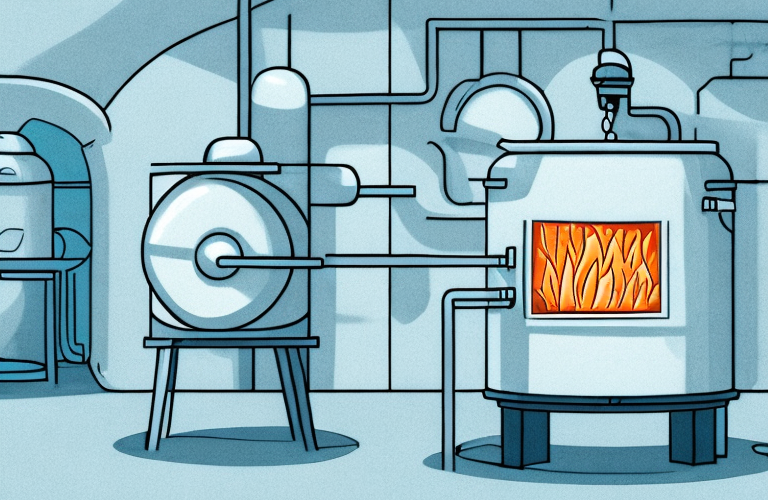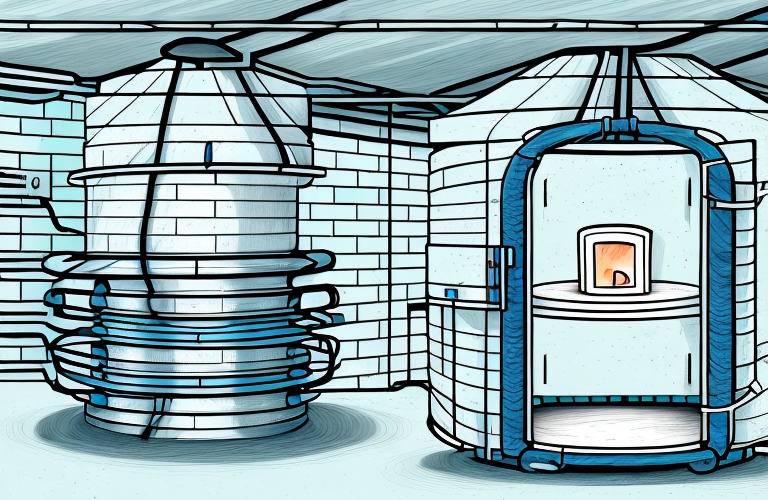

The idea of having a kiln installed in your home, for both pleasure and utility, has been gaining in popularity since the 1990s. Kilns can be used to make a variety of ceramic, metal and glass items, from tiles and jewelry to figurines and sculptures. Kilns are now being installed in many people’s homes for practical use, as well as for fun, creative endeavors.
The Benefits of Having a Kiln at Home
Having a residential kiln offers an array of advantages, beginning with the convenience of having one close by when you need it. No longer do you need to drive far away or arrange to transport items to use a kiln. Home kilns can also help you save money, as you no longer have to pay for access to an off-site kiln or pay kiln rental fees.
Finally, owning a kiln gives you the privacy and freedom to experiment with different projects and designs on your own time. You don’t need to share space with other kiln users or worry about anyone seeing the results of your work before you’re ready to show it off.
How to Choose the Right Kiln for Your Home
When you’re ready to purchase a kiln for your home, first consider what type of projects you plan on doing. This will help you choose the right size and type of kiln. There are several kinds of home kilns available, including electric, gas-fired, wood-fired, and raku kilns. Each type has its own advantages, so make sure you research each one and decide which one best fits your needs.
You’ll also want to consider the size of the kiln needed for your projects. Measure the largest item you’ll be firing and make sure the dimensions fit within the specifications of the kiln. Lastly, let your budget help guide the purchase. Kilns can cost anywhere from a few hundred dollars to thousands, depending on your needs.
Safety Considerations When Installing a Kiln in Your Home
When installing a residential kiln at home, safety should be your number one priority. Before you begin any installation work, make sure to read through all of the manufacturer’s instructions to ensure proper use. In addition, it’s important to pay attention to local fire codes and regulations when setting up your kiln. It’s also highly recommended that you hire a qualified electrician or other qualified tradesperson to make all necessary electrical connections. Never attempt a kiln installation without first consulting with knowledgeable professionals.
Tips for Maintaining a Kiln in Your Home
Taking proper care of your kiln is essential for getting maximum performance from it. This includes regularly examining and cleaning the interior as well as dusting off the exterior, especially around electrical outlets and switches. Be sure to also remove build-up from the air and gas ducts. In addition, inspecting and changing out safety equipment like thermocouples and thermometers regularly is important for both safety and accuracy.
Finally, follow all manufacturer instructions for servicing your kiln, such as cleaning out the firing chamber after each use. Doing this will help keep your kiln in top shape over time.
What Tools and Supplies Are Needed for Kiln Installation?
The type of tools and supplies required for kiln installation will vary depending on the type of kiln you have. That said, there are some tools and materials commonly used with all home kilns. These include a drill, hammer, wrench set, wire cutters, measuring tape, wire connectors, air vents, screws, anchors, electrical outlets and thermostat.
Overview of the Different Types of Kilns
In general, there are four major types of home kilns: electric, gas-fired, wood-fired and raku kilns. Electric kilns are typically used for a variety of low-temperature projects such as glass-fusing and jewelry-making, while gas-fired kilns are better suited for higher-temperature applications like pottery and sculpture making. Wood-fired kilns allow for more control over temperature and require less energy than gas-fired models. Raku kilns use propane fuel and rapid cooling techniques for specialized ceramics.
Cost Considerations for Installing a Kiln in Your Home
The cost to install a kiln in your home can range significantly depending on the type of kiln chosen, the labour required to install it properly and any necessary modifications to accommodate it. In addition to costs associated with the purchase and installation of the kiln itself, there are additional costs to consider such as safety equipment costs, fuel costs and electricity costs.
Where to Find Expert Help When Installing a Kiln in Your Home
If you are unsure about how to properly install a home kiln by yourself, consider hiring an experienced contractor or technician from a reputable company that specializes in residential kiln installations. In addition to providing proper installation expertise, these experienced professionals can also provide help selecting the right type of kiln for your needs.
Popular Projects You Can Make with a Home Kiln
Using a home kiln can open up a truly exciting world of creativity. From glazed plates and mugs to decorative animals and sculptures – everything from candle holders and jewelry to porcelain vases is possible! In addition to making beautiful items out of clay or ceramic materials – many people find that the benefits of owning their own home kiln extend beyond physical items created, allowing them to experiment with techniques and gain creative satisfaction.
Whatever kind of projects you create with your home kiln – the sheer joy of being able to create something unique with your own two hands is an unparalleled reward all its own.
If you’ve been considering bringing a unique piece of hardware into your home – then look no further than a residential kiln! With its convenience and affordability, there’s no telling what you could achieve with your own personal kiln in your home.