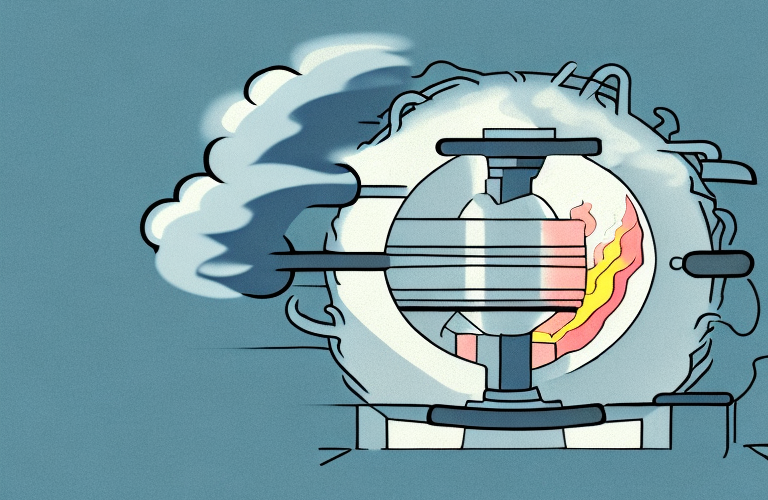

The answer is – it depends. Kilns are often used for the firing of different materials, like clay and metal, in order to complete a desired result. They can be fueled either by natural gas or electricity. And depending on the size and type of kiln you are using, electricity consumption can be substantial.
What types of kilns consume the most electricity?
Kilns used for firing ceramics typically consume the most electricity. This is due to the way the process is conducted; first, the kiln is preheated to achieve the desired temperature, then the process shuts down while the chamber is allowed to cool to avoid overworking the kiln and damaging the materials being fired – all of which takes a lot of energy. Electric kilns typically fire at higher temperatures than gas-fired kilns, resulting in higher energy bills.
The amount of electricity consumed by a kiln also depends on the size of the kiln and the type of materials being fired. Smaller kilns require less energy to heat up, while larger kilns require more energy. Additionally, certain materials require higher temperatures to be fired, which can also increase the amount of electricity consumed.
How much electricity does a kiln typically use?
A typical electric kiln consuming 3kW will draw approximately 30-40 kWh (kilowatt-hours) in an 8-hour firing session. Many ceramicists who fire multiple times per week can easily exceed their monthly electricity allowance, resulting in high energy costs. Additionally, large-scale industrial manufacturers may use kilns that consume hundreds of kWh.
To reduce energy costs, ceramicists can use alternative firing methods such as gas or wood-fired kilns. These methods are often more cost-effective and can produce unique results. Additionally, ceramicists can use energy-saving techniques such as pre-heating the kiln, using insulation, and firing at lower temperatures.
What are some ways to reduce kiln energy consumption?
There are several ways to reduce the amount of electricity consumed by kilns. One option is to invest in a more efficient kiln, as they are designed to use less energy while firing. Another strategy is to carefully adjust and monitor the timing of firing sessions and shut down the kiln earlier than usual when possible. It is also important to maintain good insulation of the kiln chamber in order to conserve energy.
In addition, using a kiln sitter or other automated system to control the firing process can help to reduce energy consumption. This type of system can be programmed to shut off the kiln at a certain temperature, preventing it from running for longer than necessary. Finally, using a kiln with a lower wattage can also help to reduce energy consumption.
What are the environmental impacts of kiln energy consumption?
The environmental impact of kiln energy consumption depends largely on where that energy is coming from. If it is coming from a renewable source like solar or wind, then there is a minimal impact. However, if the energy is coming from traditional sources such as coal or natural gas, then it can contribute to the global climate crisis.
What are the economic benefits of reducing kiln electricity usage?
Reducing electricity usage for kilns can lead to significant economic savings for ceramicists and industrial manufacturers alike. By investing in more efficient kilns, adjusting firing times and improving insulation, energy bills can be significantly reduced. This can result in substantial savings over time.
How can kilns be powered with renewable sources of energy?
Many traditional kilns can be powered with renewable sources of energy such as solar or wind. Solar-powered kilns use panels to capture and store the sun’s energy, while wind-powered kilns use turbines to generate electricity. Additionally, some manufacturers offer “hybrid” kilns, which use both renewable and traditional sources of energy.
Are there any regulations regarding kiln electricity usage?
In some areas, there are regulations in place regarding kiln electricity usage. These laws vary by state and sometimes by municipality, so it is important to check your local regulations before purchasing or running a kiln. Additionally, guidelines for energy efficiency for different types of kilns may also be in place.
What types of technology can be used to monitor and regulate kiln energy consumption?
There are several types of technology available to monitor and regulate kiln energy consumption. Automated systems can be set up to record firing times and shut off the kiln when not in use. Smart thermocouples can be used to measure the temperature of the kiln chamber and adjust settings as needed. Software programs can also be implemented to help track and analyze data.
Are there any incentives for using more efficient kilns?
Yes, there are several incentives available for using more efficient kilns. Many governments offer tax breaks and other incentives for those who invest in more efficient technology. Additionally, some utility companies offer lower energy rates for customers who use certain types of high efficiency equipment. Finally, many ceramicists may increase profits through reduced energy costs.
Kilns can consume a lot of electricity, but there are ways for ceramicists and industrial manufacturers alike to reduce energy consumption and take advantage of available incentives. By investing in more efficient technology, carefully monitoring firing sessions, and taking advantage of renewable sources of energy, users can reduce their electricity costs while also helping protect the environment.