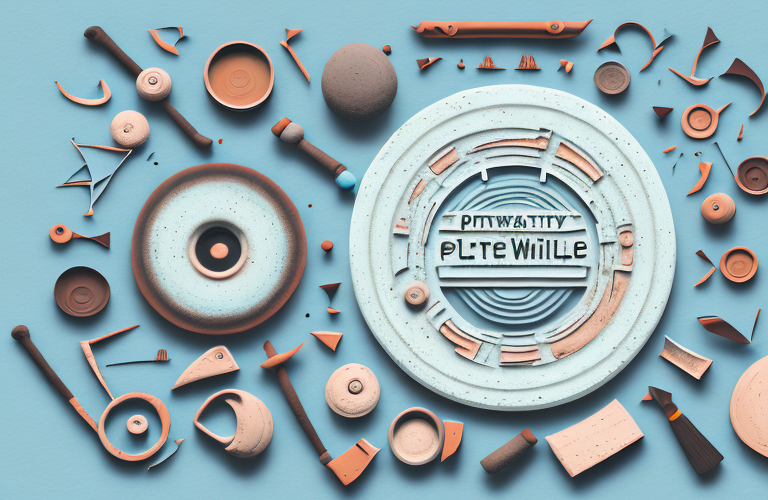
Pottery is an incredibly satisfying art form. It lets you get creative and work with your hands in a way that’s unique and refreshing. If you’re a beginner to pottery and aren’t sure what to make as your first projects, you’ve come to the right place. Below, we’ll cover some of the different types of pottery projects you can try, the tools and materials you’ll need to start, a few tips and tricks that will help you with your pottery journey, and some creative project ideas to get your creative juices flowing.
Different Types of Pottery for Beginners
There are many different types of pottery that are accessible to beginners. It helps to know a little bit about each option so you can decide which style is best for your skillset. Here are some of the most popular types of pottery for beginners:
- Throwing: Throwing is a process that involves using your hands or using a wheel-like tool to shape clay into cups, bowls, vases and more.
- Handbuilding: Handbuilding is the process of building up layers of clay with your hands or other tools to create sculpture-like pottery pieces.
- Slab Building: Slab building is when thin pieces of flat clay are layered and formed into a desired shape. This method involves minimal use of tools.
Each of these styles has its own unique nuances, so it’s important to do some research and practice with each technique to figure out which works best for you.
Tools and Materials Needed for Beginner Pottery
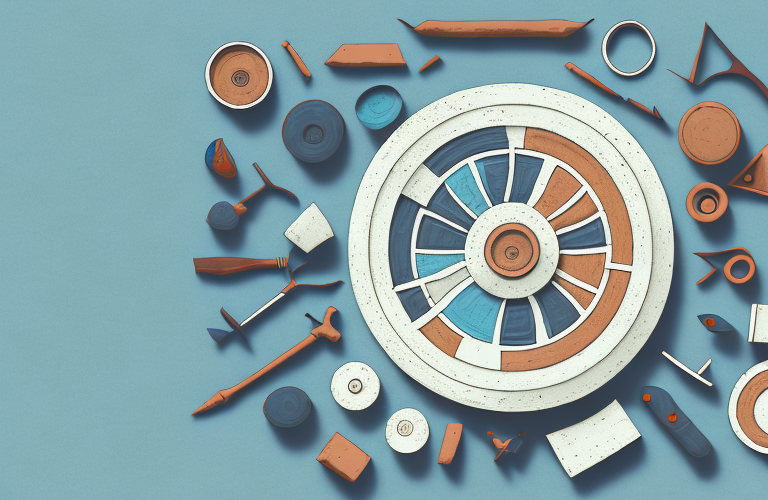
The great thing about pottery is that you can start off with minimal tools and materials. Generally, the only things you need to get started are clay, some basic pottery tools, a work surface or wheel, and enough space to store your finished pieces. Here are some of the most important tools and materials you’ll need:
- Clay: Clay is the main material for most pottery projects. You can purchase clay online or from a local art supply store. It’s important to know that each kind of clay has its own unique properties and characteristics, so be sure to research the different types to find which one works best for your project.
- Pottery Wheel: A pottery wheel is essential if you want to do wheel throwing. It helps keep the clay centered as you work, making it easier to form intricate pieces. You don’t need a fancy wheel; even a basic model will work great for beginner projects.
- Tools: Pottery tools are used for shaping, cutting, trimming, and finishing pottery pieces. Commonly used tools include rolling pins, sponges, knives, loops, needles, and wire tools.
- Work Surface: You’ll need a flat work surface to work on. Whether it’s a tabletop or an electric wheel, it’s best to have something that’s easy to clean and easy to work on.
- Storage: After your pieces are finished, you’ll need to find an appropriate place to store them until they’re ready to be glazed and fired. A cool, dry place is ideal.
Tips for Making Pottery as a Beginner
Now that you know the basics of pottery and the tools and materials you’ll need to get started, it’s time to dive into some tips that can help make your journey into pottery a bit easier. Here are a few tips for beginner potters:
- Take your time: Don’t rush yourself when making pottery. Many new potters become frustrated when their pieces do not come out perfectly. Give yourself plenty of time and practice slowly until you get better.
- Invest in quality supplies: Investing in high-quality tools and materials will make your pottery journey much easier. Good-quality materials are easier to work with and provide more reliable results.
- Choose simple projects: As a beginner, it’s important to start off with simple project ideas that are within your skillset. This will help build your confidence in pottery and give you a better understanding of the techniques used.
- Start with small projects: When starting out with pottery, start small. Doing small projects gives you more room to experiment while avoiding the risk of making major mistakes. You can also make multiple pieces at once which helps save time.
- Experiment and practice: The best way to learn pottery is by experimentation and practice. Don’t be afraid to experiment and practice different techniques until you find something that works for you.
Creative Ideas for Beginner Pottery Projects
Now that you know some basics tips for beginner potters, it’s time to dive into creative project ideas. Here are some creative project ideas for beginner potters:
- Make DIY jewelry holders: Use air-dry clay or handbuild with traditional clay to make jewelry holders. You can make holders for earrings, necklaces, or other jewelry items.
- Make flower planters: Throwing small planters on a pottery wheel can be quite satisfying. This type of beginner project is great for practicing centering and throwing techniques.
- Create trinket dishes: Using slab building techniques, create fun trinket dishes that make great gifts. You can embellish them with flowers or other decorations for added interest.
- Try a coffee mug or teacup set: Throwing coffee mugs or teacups can be very satisfying for beginner potters. These projects will help you learn how to make basic cylindrical shapes such as mugs and teacups.
- Make a custom candle holder: Using pinch pots, coil building techniques, or slab building techniques create a custom candle holder in any shape or size you want!
Sources for Learning More About Pottery Techniques
As with any art form, there are many different techniques that can be used when creating pottery pieces. Here are some great sources for learning more about pottery techniques:
- Youtube: Youtube is an amazing source of free video tutorials on different pottery techniques. There are hundreds of videos to watch so you can learn all the different ways to make pottery pieces.
- Ceramics Monthly Magazine: This magazine is filled with informative articles on different pottery topics and techniques. It is an excellent and affordable source of information for beginner potters.
- The Ceramic Arts Daily Community Forum: This is an amazing community of experienced potters who are more than willing to provide advice, share ideas, and answer any questions you might have.
- Ebay: Ebay is another great source for learning about pottery techniques. You can browse listings for books and videos on different pottery topics and skillsets.
- Amazon: Amazon is another great resource for books on pottery techniques. You can find helpful guides on everything from specific techniques to how-tos on creating handmade pieces.
>
Troubleshooting Common Problems with Beginner Pottery Projects
As with any art form, there are often issues that arise when starting out with pottery. Here are some tips for troubleshooting common problems with beginner pottery projects:
- <
- Creating uneven pieces: If your pieces come out uneven or have lumps and bumps, try using tools like scrapers, spatulas, and ribbons to even them out. You can also use a damp sponge or cloth to clean up any uneven surfaces.
- Centering clay on the wheel: If your clay isn’t centered on the wheel, try adjusting the height of the wheelhead or adding more clay around the edges. Also make sure your hands are totally clean before touching the clay.
- Improper trimming: Improper trimming can ruin an otherwise great piece of pottery. Make sure you’re using cool water when trimming and try using template guides or thumb ring wheels so that your trimming lines are even.
- Sticky clay: If your clay isn’t drying properly or is overly sticky, try adding more dry clay or sanding down the edges to make them less sticky.
- Cracks in the clay: Cracks often happen during drying or firing processes if the clay wasn’t properly wedged before use or if it wasn’t properly configured while spinning on the wheel. Try adding extra water during wedging and spin the clay slowly while focusing on centering it properly.
<
<
<
<
>
Finishing Touches for Your Beginner Pottery Projects
< Once all your pieces have been created, there are a few finishing touches you can add before your project is complete. Here are some popular ways you can finish your beginner pottery projects:
- <
- Glazing: Glazing helps protect ceramic surfaces and makes them durable enough for everyday use. You can add multiple coats of glaze for an even more striking effect.
- Decorative touches: Adding decorative details to your pieces makes them stand out even more. You can use stamps, sprigs, appliqués, transfers, and decals to give your pieces a unique look.
- Firing: Firing is the process of hardening ceramic pieces through heating them in an oven or kiln. This process strengthens the clay and helps it become more durable and long lasting.
<
<
>
Common Mistakes to Avoid When Making Pottery as a Beginner
< Making mistakes is part of being a beginner potter so don’t be too hard on yourself if something doesn’t go as planned! Here are some common mistakes beginners often make when working with pottery:
- <
- Using greenware: Greenware is raw clay that has not been dried or fired yet. Working with greenware can be tricky as it’s prone to shrinking during the firing process which leads to cracks in pieces.
- Adding too much water: Adding too much water when wedging can make your work difficult as wet clay is much harder to shape and form than dry clay.
- Using too much pressure: Applying too much pressure when shaping or trimming can lead to cracked pieces or uneven surfaces.
- Inconsistent trimming lines: Inconsistent trimming lines often occur when using hand-held tools instead of template guides or thumb ring wheels.
- Not drying pieces enough before firing: If you don’t let your pieces dry thoroughly before firing they will crack or explode during the firing process.
<
<
<
<
>
< With this information in hand, we hope you feel ready to get started in your pottery journey! Whether you’re looking for beginner projects or creative ways to embellish pieces, there’s something here for everyone!