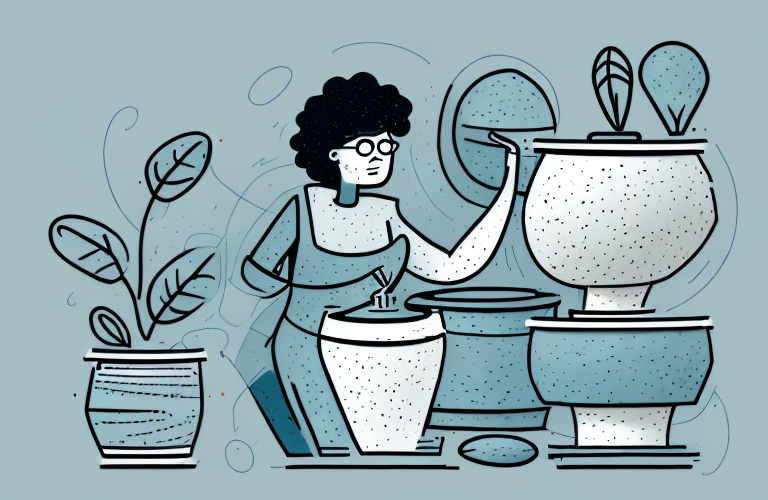
The slab method is an art technique used to form objects and shapes out of clay. It is a traditional method of hand-building with clay where flat pieces of clay are cut, joined, and shaped into the desired form. The technique adds texture, as well as strength, to your sculpture and allows for a variety of visual effects that cannot be achieved with other methods. This article will give you a brief overview of the history and uses of the slab method, as well as tips for getting started and some common issues to look out for.
History of Slab Method
The slab method has been used by artisans since ancient times. In ancient Greece and Rome, the slab method was used to create large, detailed sculptures out of terracotta. In Japan and China, the technique is especially popular, particularly in pottery and sculpture. The slab method is also used in some areas of Europe, Africa, India and the Americas.
In modern times, the slab method remains a popular form of sculpting. It is often used by pottery and ceramicists to create functional pieces such as platters and vases, or even larger art objects. Slab method can also be used to recreate ancient artworks or objects, or to create completely original pieces.
How to Use the Slab Method
Using the slab method is quite straightforward once you have the basics down. To begin, gather your materials and tools, such as clay, underglaze, tools for cutting and smoothing your slabs, a metal rib, and a rolling pin. You should also have a damp cloth or piece of foam to tempers your clay and keep it workable.
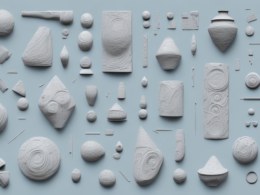
Roll out your clay into a smooth slab using a rolling pin until it’s about a quarter inch thick. Cut your slab into whatever shape you like using a knife or wire cutter. Join your pieces together using either slip (a watery clay mixture) or by scoring and slipping (making small ridges on each piece that fit together like interlocking Lego pieces). Then use tools for smoothing and shaping your piece. Finally, add additional details and texture with slip, stamps, textures tools, imprints of leaves and other objects.
Benefits of Slab Method
The slab method is an incredibly versatile and straightforward approach to creating art with clay. It can be used for both functional and decorative sculptures. Particularly intricate shapes can be created with relative ease due to the ability to use all sorts of supporting materials like wire and templates while working with the slabs. Additionally, the slab method is great for beginners because the techniques are relatively simple and straightforward.
Materials Needed for Slab Method
In order to use the slab method, you’ll need several materials. Clay is the primary component in this technique –you can purchase it pre-made in both wet and dry forms or you can make your own. You’ll also need a fistful of tools including a rolling pin or extruder, a wire cutter or knife for cutting the slab into various shapes, stamps for adding texture and patterns, slip for joining slabs together, a metal rib for smoothing, and a damp cloth or foam for tempering the clay before use.
Techniques for Working With Slab Clay
One of the most important aspects of working with slab clay is smoothness. It’s important to make sure that all your surfaces are even before you start constructing your piece. You can use tools such as a metal rib to smoothen out any roughly cut edges. Additionally, you can use slip on both sides of a seam between two pieces of clay to create a stronger connection.
You can also add extra texture to your project by using other materials such as textured stamps or leaves. Take your time while creating your project; take regular breaks if needed to ensure that you don’t overwork the clay. Keep in mind that the best tone is achieved when you take your time!
Examples of Slab Method Artworks
The slab method has been used for centuries to create both functional and aesthetic artworks. World-renowned artists such as Auguste Rodin and Constantin Brancusi have used this technique in their creative works. Examples of modern sculptures created with the slab method range from coffee mugs to dinner plates to large outdoor sculptures.
Safety Precautions for Working With Slab Clay
When using the slab method, it’s important to take safety into consideration. Working with sharp instruments such as wire cutters and knives can be dangerous if you’re not careful. Make sure you wear appropriate safety gear such as goggles when cutting slabs and that your workspace is well-lit. Additionally, keep your work area clean and organized so you can easily locate your tools when needed.
Troubleshooting Common Problems When Using the Slab Method
If you have ever worked with clay before, you know that it’s not an exact science. You can encounter a variety of issues when you’re working with clay, such as cracks or bubbles in the piece after firing. If you find that parts of your piece are beginning to crack or bubble during construction, try adding more slip or juice to bind them together more securely. If the cracks remain after firing, they can often be patched up with wet clay.
Similarly, if parts of your piece are beginning to sag or lose shape, it’s important to try and fix them before they become too distorted. You can do this by adding more support or re-weighing the out-of-shape areas. Finally, if your clay becomes too sticky while working with it, simply add more slip or cover it with a damp cloth.
Finishing Touches for Your Slab Artwork
Once you have finished constructing your slab artwork, there are still a few finishing touches that you can do before firing it in the kiln. Painting with underglazes adds vibrancy to any artwork and creates interesting visual effects. You can also add details with colored slips or patterns created by carving or stamping. Finally, adding small textures can help enhance light reflection and create interesting shadows.
Using the slab method is a great way to explore your creativity. With some practice, patience and understanding of how clay works, you will be able to create beautiful sculptures that will last a lifetime!