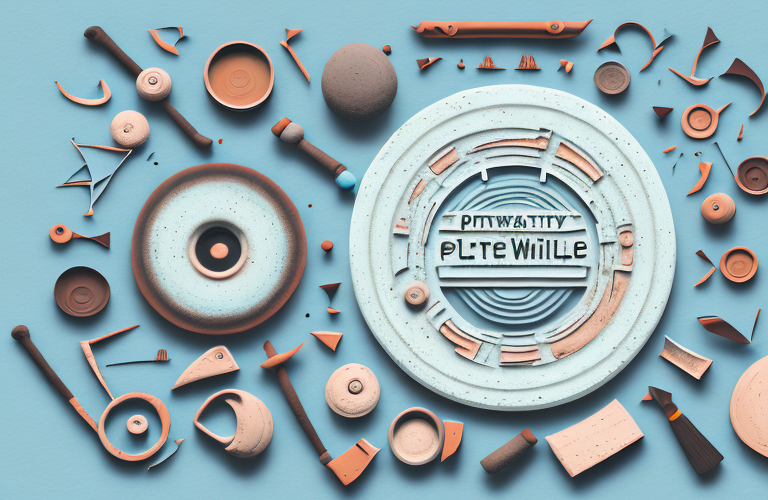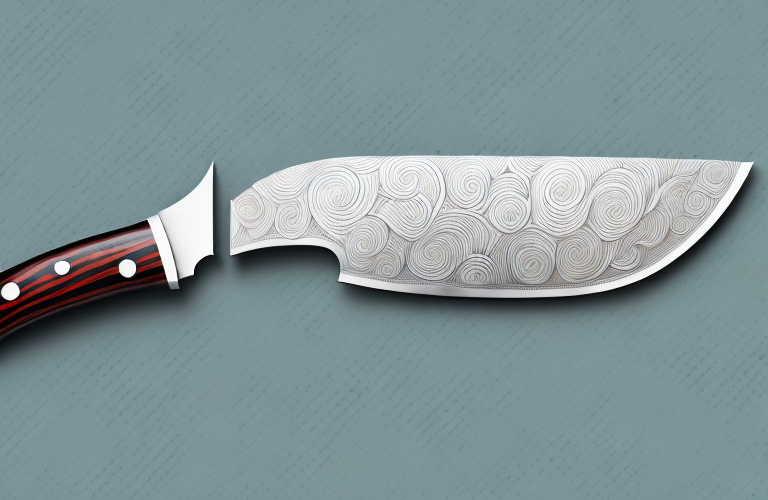

A pin tool for ceramics is a craft tool used for shaping and glazing clay pieces. This hand-held tool typically has a wooden handle and a pointed steel tip that is used to carve, etch, and trim pieces of clay. Pin tools can also be used to incise lines, carve out various designs, and even create lacy patterns. The pronged end of the pin tool is also ideal for shaping and scoring pieces of pottery before firing them.
Benefits of Using a Pin Tool for Ceramics
A pin tool is an essential tool for any ceramicist. This tool helps ceramicists to add details and artistic elements to their clay pieces that would be impossible to achieve any other way. Pin tools are especially helpful when it comes to adding intricate or delicate designs to clay pieces, as the rounded tip helps to make precise cuts without damaging the piece. Using a pin tool also allows for a greater level of accuracy and control over the design of your ceramic pieces.
Pin tools are also great for creating texture on clay pieces. The rounded tip of the tool can be used to create a variety of patterns and textures, from small dots to larger swirls. This allows ceramicists to add a unique and personal touch to their pieces. Additionally, pin tools are relatively inexpensive and easy to use, making them a great choice for both beginner and experienced ceramicists.
Types of Pin Tools for Ceramics
Pin tools come in many different sizes and designs. You can find pin tools with single-pronged tips or multiple prongs. Some people prefer pin tools with a triangular or diamond-shaped tip for more precision when etching shapes or patterns. There are also pin tools with trifurcated tips that are ideal for carving intricate patterns into clay pieces. Each type of pin tool has its own advantages and disadvantages, so it’s important to take some time to understand what type of pin tool you need for your particular project.
When selecting a pin tool, it’s important to consider the size and shape of the tool, as well as the material it is made from. For example, stainless steel pin tools are more durable and can be used for a variety of projects, while wooden pin tools are better suited for more delicate tasks. Additionally, the size of the pin tool should be appropriate for the size of the project you are working on. Smaller pin tools are better for detailed work, while larger pin tools are better for larger projects.
How to Use a Pin Tool for Ceramics
Using a pin tool to work with ceramics is a skill that takes practice and patience. The first step is to decide what type of design or pattern you would like to create on your clay piece. Once you have your design planned out, you can then begin to shape the clay with a pin tool. You should start by lightly etching the outlines of the design using the pronged end of the tool. After that, you can use the tip of the tool to carve out the details. As you work, make sure you move the pin tool away from yourself in order to prevent any accidents.
Safety Tips for Using a Pin Tool on Ceramics
As with any craft project, it’s important to exercise caution when using a pin tool on clay pieces. As mentioned above, it’s important to always move the tool away from yourself when using it on a clay piece. This will ensure that you don’t accidentally stab yourself with the tool. Also, wear protective eyewear at all times in order to protect your eyes from clay or dust particles. Additionally, keep the pin tool away from any flammable materials, as the metal tip can become quite hot when it is close to a flame.
Tips and Tricks for Working with a Pin Tool on Ceramics
One way to ensure a successful result when using a pin tool in ceramics is to practice on some scrap clay pieces before attempting your main project. This will allow you to become familiar with the motions and techniques needed to use the tool correctly and efficiently. Additionally, the more you practice, the more control you will have over the movements of the pin tool. As you gain more experience, you may find yourself experimenting with different techniques, such as adding texture or depth to your designs.
Best Practices for Cleaning and Storing a Pin Tool
It’s important to take good care of your pin tool in order to ensure optimal results each time you use it. After each use, wipe off the tip of the tool with some water and cloth in order to get rid of any residual clays or glazes that could get in the way of your next project. Additionally, store your pin tool in a safe place when not in use in order to prevent any accidental damage or misuse.
Alternatives to Using a Pin Tool on Ceramics
For certain projects or designs, a pin tool is not your only option. Other tools, such as loop tools, spatulas, drilling tools, and pottery ribbons could be used instead. A loop tool is useful for smoothing out edges and contours while a spatula can be used for cutting off excess clay. Furthermore, most of these tools can also be used for texturing, sculpting, and even sculpting intricate shapes into clay pieces.
Using a pin tool on ceramics is a great way to add detailed designs and intricate patterns to your clay pieces. With the right tools and techniques, you can easily create beautiful designs that can be cherished for many years to come.