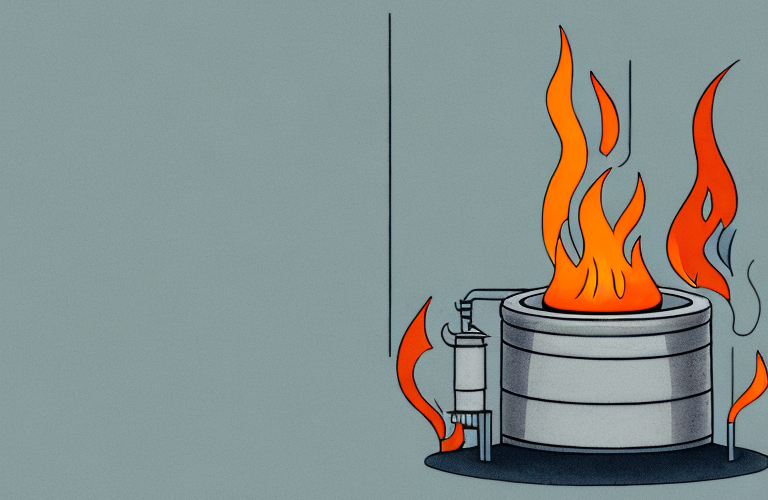
Firing clay is an essential step in creating beautiful pottery and ceramic pieces. To ensure a successful piece, it’s important to understand the process of firing clay so that your work is not ruined by over-firing. Over-firing can cause serious damage to delicate pieces and ruin the artwork. This article covers what happens when clay is over-fired, ways to avoid it, the effects of over-firing on different types of clay, tips for accurately measuring heat, safety precautions for working with high heat and clay, troubleshooting common problems with over-firing, how to make repairs due to over-firing and alternatives to over-firing clay.
What Happens When Clay is Over Fired?
When clay is over fired, it can become brittle and fragile. It may crack or shatter easily and its surface may become blemished. The finished product can often be too dry or hard to work with. Over-firing can also cause warping and deformation, leading to pieces that don’t hold together well. In extreme cases, pieces may crack open and be completely destroyed.
In addition to the physical damage caused by over-firing, the colors of the clay can also be affected. The colors may become duller or darker than intended, and the glaze may become discolored. The texture of the clay may also change, becoming more coarse or rough. The overall appearance of the piece may be compromised, making it difficult to use for its intended purpose.
Techniques to Avoid Over Firing Clay
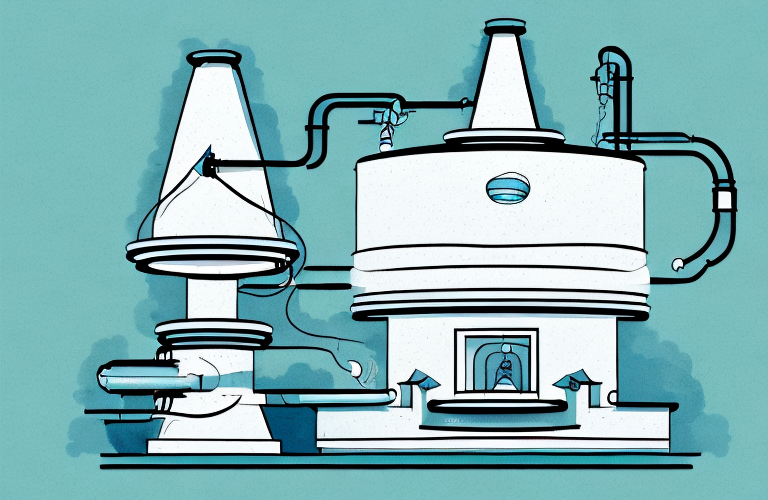
One of the best ways to avoid over-firing is by carefully following the instructions that come with your particular type of clay. Temperature and firing times should always be monitored closely, as the wrong combination can lead to over-firing. Invest in a digital thermometer to accurately measure the kiln’s temperature. Make sure to take periodic readings to track the temperature and time it takes for the kiln to cool down. If you’re unsure of the firing temperature, use lower temperatures and shorter firing times until you have a better idea of what works with your type of clay.
Benefits of Firing Clay at the Right Temperature
Firing clay at the right temperature ensures it has enough strength to hold its form without cracking or warping. Additionally, firing clay at the right temperature yields a better color as well as improved chemical durability that helps protect pieces from damage and aging. Firing clay correctly also eliminates germs, bacteria, and mold.
Effects of Over-Firing on Different Types of Clay
Different types of clay react differently when over fired. Porcelain clay, for example, will start to deform and accumulate bubbles which weaken the structure of the material. As it is fired further, porcelain clay will lose its transparency and opacity resulting in a more dull color. However, stoneware clay needs to be fired up to a higher temperature than porcelain in order for it to become strong and dense.
Tips for Accurately Measuring Heat When Firing Clay
Accurately measuring the kiln’s temperature is critical when firing clay. To get the best results, use a digital thermometer designed specifically for kilns, or a bog standard model with a long probe. Place the probe directly into the chamber of the kiln and take readings over time to track temperature levels throughout the firing process.
Safety Precautions for Working with High Heat and Clay
When working with high heat and clay, be sure to take precautions that ensure your safety. Wear protective gear like a face mask, goggles, and gloves. Work in a well ventilated area or use a respirator if necessary. Additionally, anytime you open the kiln, let the temperature reduce slowly rather than exposing it suddenly to cold air.
Troubleshooting Common Problems with Over-Firing Clay
If your pieces have been over fired, there are a few things you can try. First, open the kiln slowly and allow pieces to cool down gradually. This might help relieve some of the stress from the over-fired pieces. If this doesn’t work, you can try forming new pieces from scraps of the damaged pieces. Finally, you may be able to make repairs by gluing together parts of the broken pieces.
How to Repair Damaged Clay Due to Over-Firing
To repair damaged clay due to over-firing, first you must determine what type of repairs are necessary. Minor cracks or damages can often be filled using an adhesive or epoxy designed for ceramic repair. For other more damaging issues, try using pre-molded forms combined with an adhesive. If your piece is simply too brittle or weak to repair, you may have to start from scratch.
Alternatives to Over-Firing Clay
If you don’t want to risk over-firing your clay pieces, there are alternatives such as low firing or raku firing which require less intense heat. Low firing involves firing at temperatures lower than those used for pottery and porcelain (around 1000°C). Raku firing is an ancient Japanese technique that requires removing pieces from the kiln while they are still red hot and exposing them to oxygen which creates interesting effects on the surface.
Firing clay doesn’t have to be an intimidating process. With a few precautions and basic understanding of what over-firing can do to your pieces, you can have success in creating beautiful pottery and ceramic artwork.