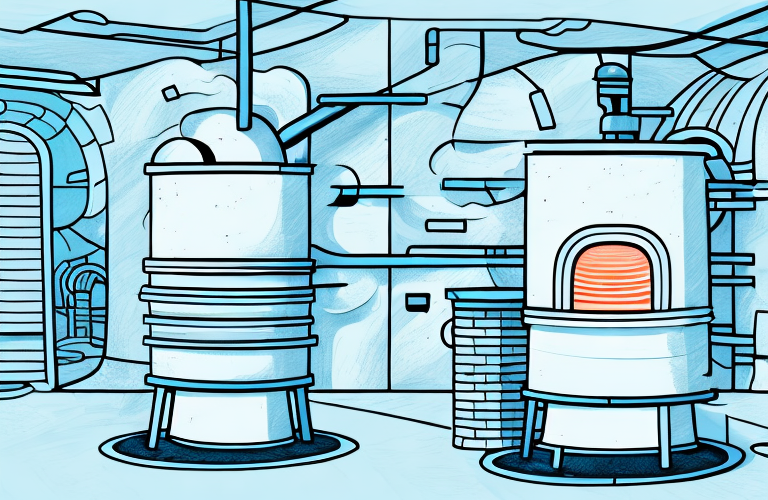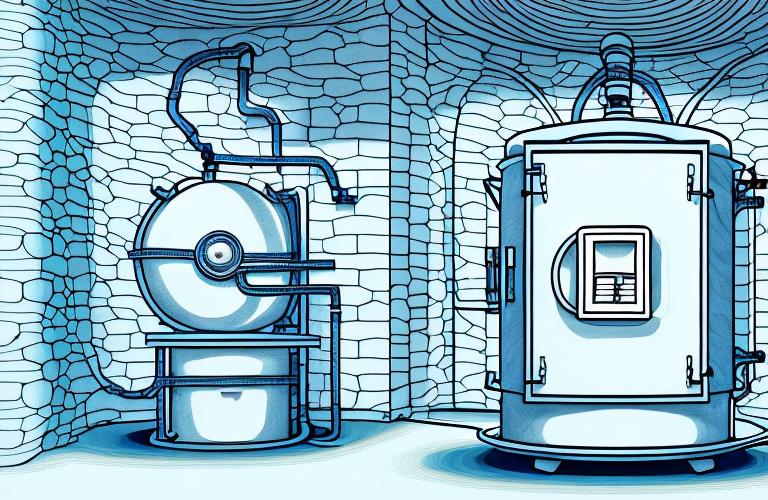
If you’re using a kiln, you want to make sure it’s in a well-ventilated space. Good ventilation is essential for kiln operations, as it helps remove byproducts and fumes that can be hazardous for your health. Installing a ventilation system in your kiln room ensures a safe, healthy environment for your work.
Advantages of Ventilating a Room for a Kiln
When it comes to ceramic and glassworking, having an effective ventilation system in place is key. It helps keep the air in the kiln room clear of dust and fumes, reducing the potential risks of inhaling toxic materials. It’s not just your personal safety you should consider — larger particles can eventually settle in the kiln and cause your pieces to crack or otherwise malfunction. A well-designed ventilation system is essential for creating quality pieces with minimal chances of ruining them.
Aside from keeping the air clean, a good ventilation system also helps maintain the temperature in your kiln room. Stale air can cause your kiln to overheat if left to stagnate, so proper air circulation is needed to keep temperatures low and steady. Lastly, a well-ventilated space can help save energy and use less electricity for heating.
Types of Ventilation Systems for Kilns
When it comes to installing a ventilation system in your kiln room, there are two main types you can choose from: natural and mechanical. A natural ventilation system makes use of the chimney effect — warm air rises up through vents and is drawn out, allowing fresh air to enter. This type of system is simpler and cheaper to install but requires a room with higher ceilings and frequent opening of windows and doors.
The more sophisticated and efficient option is mechanical ventilation. This involves installing fans that draw out warm air and pumps that force fresh air in. Since fans can be positioned close to the ground, these ventilation systems work better in rooms with lower ceilings. Plus, the fans are generally noiseless and can keep running for hours without the need for regular upkeep.
Pre-Installation Considerations for Ventilating a Room for a Kiln
Before you opt for either mechanical or natural ventilation for your kiln room, you should determine several factors. Start by figuring out the size of your kiln room — this should provide you with an estimate of how much air needs to be exchanged each hour. Additionally, you need to observe the surrounding environment — what kind of climate do you typically experience? Are there any trees nearby that could cause additional airflow disruption?
You should also consider the amount of labor and materials required, as well as the overall cost. Installing a mechanical ventilation system will usually be considerably more expensive than a natural one—but it’s also more efficient. That said, speak with a professional before choosing. A ventilation specialist can help you identify any potential issues that could impact the performance of your system.
Installing a Ventilation System in Your Kiln Room
Once you’ve chosen your type of ventilation system, it’s time to get it installed. If you decide to go for the natural approach, make sure you choose appropriately placed windows and higher vents for maximum efficiency. Conversely, for a mechanical system, look for an area near the kiln where fans can be placed. Also check if the wiring is available for connecting the fans and pumps.
Finally, consider getting insulation, such as double-glazed windows or walls. This helps reduce noise from outdoors and inside the kiln room while reducing heat losses. Additionally, apply heatproof paint on surfaces that come into direct contact with hot kilns like chimneys or ducts – this will help protect them from potential degradation.
Maintaining Your Kiln Room Ventilation System
As with any other home appliance or system, it’s important to properly maintain your kiln’s ventilation system. This usually means regularly checking its components for wear or damage — keep an eye on fans and pumps since they’re the most vulnerable parts of the system. Additionally, pay attention to any changes in the airflow — if it’s too weak or has become uneven, check for obstructions that may be causing this.
Every few months, you should also clean the ducts to ensure proper air circulation. Rubbish and dirt gradually start accumulating in the ducts over time and can quickly reduce performance if left unchecked. Lastly, make sure all wiring is secure as this can lead to damage that could ruin your kiln.
Troubleshooting Common Problems with Kiln Room Ventilation
If you encounter any problems with your kiln’s ventilation system, begin by identifying the cause of the issue. Start by examining the system and inspect visible parts such as fans, controls, wires and motors. Then check the ducts — often times clogging is at fault here.
To further diagnose the issue, use a thermometer to measure the temperature in various parts of the kiln room and compare it against external air temperature. If everything seems fine but your ventilation system still isn’t working properly, call a specialist for an assessment.
Improving Efficiency with Kiln Room Ventilation
In addition to regular maintenance and troubleshooting, there are several ways to improve your ventilation system’s performance. One approach is creating an airflow diversion — add baffles near your vents that redirect incoming air out through side openings. This helps maximize air circulation while reducing noise inside the kiln room.
Another option is installing additional motors — this lets you draw more air out, increasing the efficiency of your system. Finally, adding insulation around vulnerable parts like wires and fans helps preserve their lifespan while keeping heat losses at bay.
Choosing the Right Materials for Your Kiln Room Ventilation System
When selecting materials for your kiln room ventilation system, be sure to choose ones that are heat-resistant and easy to clean. Steel is one of the most popular materials because it offers superior durability — it can withstand heat up to temperatures of 1,800°F (982°C). Additionally, stainless steel offers superior corrosion resistance and is suitable for wet environments.
If you’re on a tight budget, aluminum could be another option. It can withstand temperatures of up to 1,200°F (649°C) but isn’t as sturdy as steel and will require more frequent maintenance. Lastly, PVC piping is usually used as a cheap yet effective material for ducting.
Safety Precautions When Working with Kiln Room Ventilation Systems
Before installing or maintaining a ventilation system in your kiln room, always take safety precautions. Make sure to wear protective gear such as gloves, goggles and masks while working—this prevents any dust or debris from entering your eyes or lungs.
Avoid running any exposed wires or leaving open ends as this can lead to electric shock. Finally, ensure that all vents have strong covers so that no foreign objects slip in when not in use. Following these simple steps will help protect you and increase the life expectancy of your kiln’s ventilation system.