Running a kiln is a long-term investment. Whether you’re a hobbyist, small business, or ceramic studio, it’s important to calculate the full costs associated with owning and operating a kiln. Here we’ll discuss the cost of kiln materials, fuel, electricity, maintenance and repairs, as well as tips for reducing costs and considerations for buying a new or used kiln. We’ll also explain how to calculate your total operating cost and the benefits of owning and running a kiln.
The cost of kiln materials
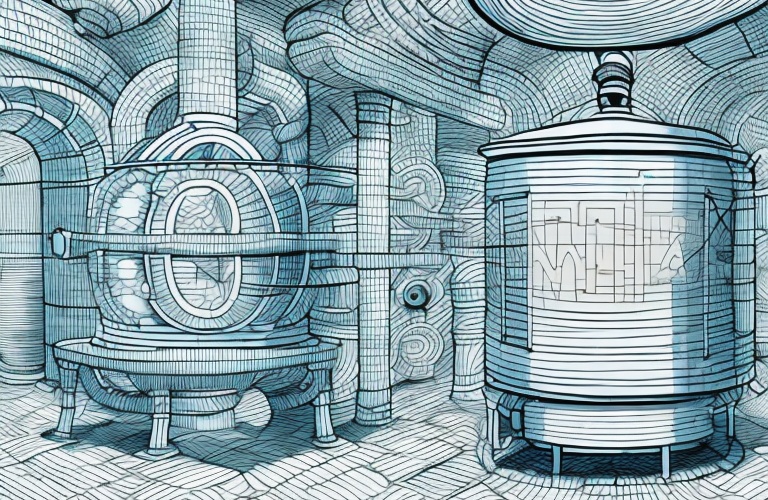
The cost of the materials required to construct the kiln will depend on the type and size of kiln. A kiln made from bricks is typically the most affordable option. For those interested in a more efficient model, kilns made from sheet metals such as stainless steel are available. Depending on the size of the kiln, the total cost can range between a few hundred dollars and several thousand dollars.
In addition to the cost of the materials, there may be additional costs associated with the installation of the kiln. This could include the cost of hiring a professional to install the kiln, as well as any additional tools or supplies needed for the installation. It is important to factor in these additional costs when budgeting for a kiln.
The cost of kiln fuel
The cost of fuel for firing a kiln will depend on the type of fuel you select. Common types of kiln fuel include natural gas, propane, oil, and wood. Prices for natural gas and propane are usually cheaper than oil, but wood is often the most cost-effective option. It’s important to factor in the cost of transport and storage if buying wood in bulk.
When selecting a fuel for your kiln, it is important to consider the environmental impact of the fuel you choose. Natural gas and propane are both non-renewable resources, while wood is a renewable resource. Additionally, wood is a carbon-neutral fuel, meaning it does not release any additional carbon dioxide into the atmosphere when burned. This makes it a great choice for those looking to reduce their carbon footprint.
The cost of using electricity to run a kiln
Electricity is another important cost to consider when running a kiln. The amount of electricity used will depend on the type of kiln you have and the duration of time it takes to fire. Some ceramics studios have switched to electric kilns, which use lower levels of energy and are often better insulated than traditional kilns. However, electricity costs can be quite high depending on where you live.
The cost of maintenance and repair
Kilns require regular upkeep and maintenance in order to function properly and prolong the life of the unit. This includes repairs for cracks and other damage, as well as regularly scheduled cleaning and servicing. Depending on the complexity of your kiln, this can add up to be rather costly. Additionally, some provinces require ceramics studios to submit documentation and inspections of their kilns every two years.
Tips for reducing the cost of running a kiln
There are some simple tips you can follow to help reduce the cost of running a kiln. Firstly, consider using a wood fired kiln over an electric or gas-powered model. Look into using scrap wood or broken down palettes to fuel your kiln. Additionally, depending on the type of material you use to make your pottery, you may be able to reduce firing times by pre-heating or glazing the components before firing. This can be done by checking kilns regularly for issues such as cracks, incorrect heat settings, draughts, and condensation.
Comparing the costs of different types of kilns
When comparing different types of kilns be sure to account for all associated costs. Consider the type and purity of fuel used, required repairs or maintenance, and associated electricity costs. Additionally, think about if you need features such as a controller or pyrometer. Remember that while electric and gas powered kilns operate at higher temperatures they tend to be less efficient than wood fired models.
Considerations for purchasing a new or used kiln
If you’re looking to buy a new or used kiln, it’s important to take into account all associated costs. It is usually more expensive to purchase a new kiln, but this comes with an assurance that you won’t have to pay for costly repairs or replacements in the near future. Furthermore, new kilns typically come with improved safety functions that might make them more suitable for the job than their used counterparts.
How to calculate the total cost of running a kiln
To calculate the total cost of running a kiln requires factoring in all expenses such as fuel, material costs, repairs or maintenance, and electricity bills. It’s also important to consider things like time spent upkeep and any special equipment required. Calculating these costs will provide you with a better understanding of the cost implications associated with owning a kiln.
Benefits of owning and running a kiln
Despite requiring significant investment in terms of both time and money, there are many benefits associated with owning and running a kiln. For businesses or hobbyists these include having control over firing times and temperatures, creating custom pieces, and being able to fire in batches–saving both time and money. Homeowners benefit from gaining a greater understanding of their craft, expanding their knowledge of ceramics-related processes.