Firing your bisque slowly is an essential part of ensuring the success of your final product. Bisque firing is a key step in the ceramics-making process, and understanding why it’s important and what makes it successful is critical for creating beautiful ceramic objects. This article covers why you should fire your bisque slowly, and will explain the process ofbisque firing, the importance of even heat distribution, tips for successfulbisque firing, common mistakes to avoid, and troubleshooting common problems.
What is Bisque Firing?
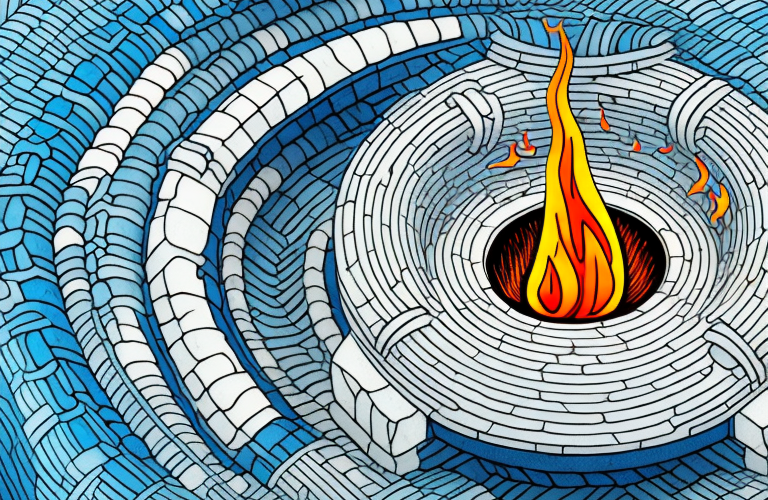
Bisque firing is a process used by ceramicists and potters to prepare ceramic pieces for glazing. It is the first firing of pottery to harden it and remove all the water from the clay. The process begins with drying the clay out, then slowly heating it to temperatures between 1,800 and 2,200 degrees Fahrenheit. This temperature range causes the clay to reach vitrification, where it loses all its water content and transforms from a soft material to a hard ceramic piece.
Once the bisque firing is complete, the ceramic piece is ready to be glazed. Glazing is the process of applying a thin layer of glass-like material to the ceramic piece, which gives it a glossy finish and helps to protect it from damage. The glaze also helps to enhance the colors of the piece, making it more visually appealing.
The Benefits of Slow Firing
When bisque firing, it is important to do it slowly. Doing it slowly allows for tight control over the temperature and helps to make sure that the material does not crack or warp as a result of uneven heating or cooling. Slow firing gives you more control over the final product and gives you the best chance of success when it comes to creating high-quality ceramics. In addition, slow firing helps to maintain even moisture content throughout the process, which can be difficult when firing at a rapid pace.
Understanding the Process of Bisque Firing
The process of bisque firing involves slowly increasing the temperature of the kiln over a period of hours. Most bisque firings take around 12 hours, depending on the size of the kiln and its contents. During this time, it is important to keep an eye on the temperature of the kiln and adjust as needed. It is also essential to maintain an even heating rate so that the material does not crack or warp.
The Importance of Even Heat Distribution
When bisque firing, it is necessary to ensure that all the pieces in the kiln receive the same amount of heat. Uneven heating can cause cracking and warping, ruining your final product. To ensure even heat distribution, you should use an electric kiln with an even-heat system, or else use a manual kiln with a fan or other ventilation system. It is also important to make sure that all pieces placed in the kiln are evenly spaced.
Tips for Successful Bisque Firing
The keys to successful bisque firing are patience and preparation. It is important to take the time to properly prepare your clay pieces before placing them in the kiln. This includes removing all excess water from the clay and ensuring that all pieces are secure and evenly spaced in the kiln. Additionally, it is important to take your time during the firing process by gradually increasing the oven temperature and maintaining an even heating rate.
What Happens if You Fire Too Quickly?
Firing too quickly can lead to serious damage to your ceramic pieces and can leave you with a finished product that is warped or cracked. When this happens, it is often difficult to fix and may need to be refired. The faster you fire, the greater chance there is of uneven heat distribution which can cause damage. It is always better to take your time and fire slowly so you can achieve consistent results with no catches.
Common Mistakes to Avoid When Bisque Firing
When bisque firing, it is important to avoid making any common mistakes. These mistakes include not removing all excess water from the clay beforehand, not spacing pieces out evenly in the kiln, or increasing the temperature too quickly. Additionally, be sure to keep an eye on the temperature during the process as it increases or decreases in order to ensure an even firing rate.
Troubleshooting Common Problems with Bisque Firing
If you ever run into any problems during the process of bisque firing, there are some troubleshooting techniques that you can utilize to get back on track. When pieces are not turning out as expected, check that they are properly spaced out in the kiln and that there is no excess water on them. Additionally, inspect the kiln itself for any signs of uneven heating or cooling that may have occurred during the firing cycle. If these issues are present, make any necessary adjustments to ensure an even firing process.
Bisque firing is a essential part of making beautiful ceramic pieces. Taking your time and understanding why slow firing is important will help you achieve successful results every time. Keep these tips in mind whenever you’re getting ready to fire your bisque so you can ensure that your final product will be of superior quality!