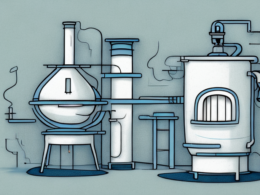
Sometimes, pottery can unexpectedly explode in the kiln during the firing process. While it’s not an intentional outcome, understanding why it happens can help potters avoid these explosions and ensure their projects come out successfully. In this article, we’ll cover the science behind pottery explosions, common causes, how to troubleshoot, and more.
The Science Behind Pottery Explosions
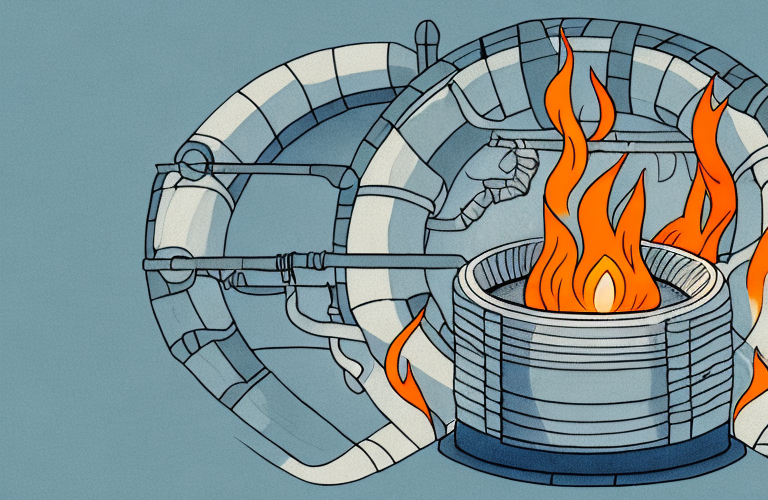
Pottery explosions occur when the material absorbs too much air during the kiln firing process. This causes the air to expand and create air pockets inside the clay. When heated, these air pockets become volatile, creating an increase in pressure that can be enough to cause an explosion. The heat from the kiln also causes the clay to shrink, and the cracks from these expanding and contracting forces are what ultimately cause the explosion.
The size of the air pockets and the amount of air absorbed can vary depending on the type of clay used and the firing temperature. The higher the firing temperature, the more air is absorbed and the greater the risk of an explosion. Additionally, the type of glaze used can also affect the risk of an explosion, as some glazes can cause the clay to expand more than others.
Common Causes of Pottery Explosions
There are several common causes of explosions in a kiln. poorly placed vents, air trapped between pieces of pottery, an unbalanced temperature inside the kiln, and a high firing temperature can all be contributing factors. Additionally, clay bodies that have not been mixed correctly or not allowed to dry sufficiently can result in air pockets that increase the risk of exploding.
In addition to the causes mentioned above, the use of combustible materials in the kiln can also lead to explosions. Combustible materials such as sawdust, paper, and wood can ignite when exposed to high temperatures, resulting in an explosion. It is important to ensure that all combustible materials are kept away from the kiln and that the kiln is properly ventilated to prevent explosions.
Avoiding Pottery Explosions in the Kiln
The first step in avoiding pottery explosions is to make sure all of your materials are of good quality and have been properly mixed and allowed to dry completely. Additionally, it’s important to check and maintain your kiln’s ventilation system, as this can require regular adjusting in order to be sure that the temperature inside the kiln is even and stable. Finally, experiment with different firing temperatures and times so you can figure out the optimal settings for your particular project.
It is also important to be aware of the type of clay you are using. Different types of clay can react differently to the heat of the kiln, so it is important to be aware of the properties of the clay you are using. Additionally, it is important to be aware of the size of the pieces you are firing. Larger pieces may require longer firing times and higher temperatures, while smaller pieces may require shorter firing times and lower temperatures.
Troubleshooting Steps for Exploding Pottery
If you experience a pottery explosion, the first thing you should do is take a step back and assess the situation. Take note of where the pottery was placed in the kiln, what temperature it was fired to, for how long it was fired, etc. This will help you narrow down the cause of the explosion and make it easier to troubleshoot.
Tips for Maintaining a Stable Kiln Temperature
Maintaining a consistent temperature inside the kiln is an important step in avoiding pottery explosions. One useful tip is to use a pyrometer, which is a device that tracks the temperature and warns when it deviates from your desired temperature range. Additionally, make sure your kiln vents are positioned correctly, allowing air to circulate throughout the chamber as evenly as possible.
Determining the Appropriate Firing Time for Your Pottery
Another important step in avoiding pottery explosions is finding the appropriate firing time for your project. This is often determined by trial and error, as different projects may require different firing times. Generally speaking, it’s best to start with a short firing time and gradually increase it until you find the optimal setting for your specific project.
Managing Shrinkage in Clay Bodies
Clay bodies naturally shrink during the firing process, and different clays shrink at different rates. Understanding these rates can help you plan ahead and adjust your designs accordingly. Additionally, consider adding grooves or slots into your design to allow for movement while still keeping your pieces intact.
Ways to Minimize Warping and Cracking of Ceramics
Warping and cracking are common issues that arise when firing ceramicscaused by uneven heating or cooling during the process. To address this problem, try using a heat-resistant material such as kiln wash or ceramic blankets over your pieces to provide more even heating and cooling. Additionally, control cooling rate by either keeping the door of your kiln open or using a slow cooling cycle.
How to Ensure Proper Glazing Techniques
Glazing techniques can also play a role in pottery explosions. If glazing is done incorrectly, it can result in uneven drying or a surface that creates too much heat upon firing, increasing the risk of an explosion. To ensure proper glazing techniques, use high-quality glaze materials that are designed for kiln firing and maintain consistent application thickness throughout each piece.
Pottery explosions are never intentional but are sometimes unavoidable. Knowing what causes them and how to prevent them can help potters ensure their projects come out successful every time. By following these tips, you’ll be on your way to creating beautiful pieces with minimal risk of exploding in the kiln!