
A kiln can be a highly dangerous piece of equipment, and it is highly recommended that a kiln should never be left unattended. From the potential fire hazards to the dangers of thermal shock and over-firing, there are many risks associated with using a kiln, especially when acted upon without proper care and supervision. This article covers the dangers of leaving a kiln unattended, safety guidelines for operating a kiln, tips for safely monitoring a kiln, what to do if a kiln must be left unattended, benefits of having someone monitor a kiln, what to consider before leaving a kiln unattended, how to recognize signs of danger, common causes of unattended kiln mishaps and whether insurance covers the use of unattended kilns.
What Are the Dangers of Unattended Kilns?
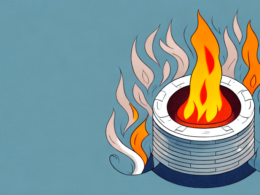
A kiln is a complex tool that can cause serious damage if left unattended. Whether this be due to an electrical or gas fault in your kiln, or an outside force such as a fire or an earthquake, leaving your kiln unattended can put your property, yourself and those around you in danger. An unattended kiln is also more susceptible to over-firing which can cause dangerous thermal shock and result in the cracking or shattering of ceramic pieces. In worst case scenarios, unattended kilns can cause fires due to faulty thermocouples, spark plugs or exposed heating elements.
Safety Guidelines for Operating a Kiln
It is essential that all safety guidelines be strictly followed when using and operating a kiln. If you are unsure of how to operate a kiln properly, it is strongly recommended that you consult an experienced user before attempting to use the device on your own. Make sure that you are aware of all the safety features of your particular model and follow the manufacturer’s guidelines. Also, make sure that there is plenty of ventilation around the kiln and never block any vents.
Tips for Safely Monitoring a Kiln
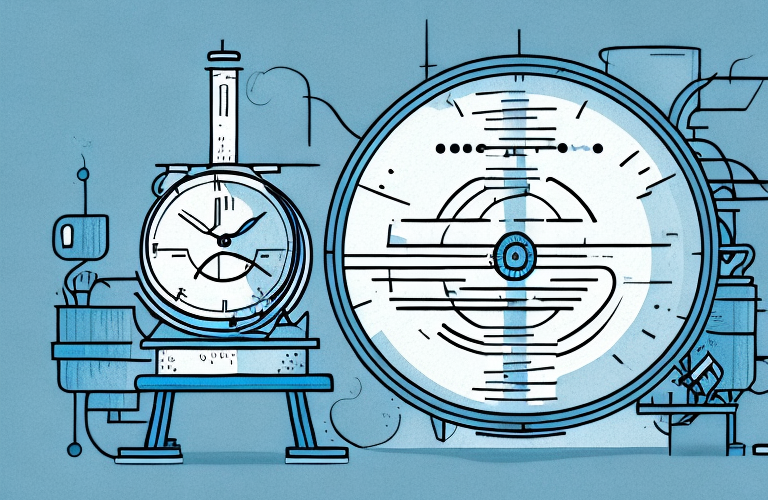
Monitoring a kiln can be done safely by setting a timer to turn off the kiln after a certain amount of time has passed to ensure that it is not left on too long. Additionally, it is important to always keep an eye on your kiln. Regularly monitor the temperature of the kiln, the heating element and the thermocouple to ensure that all are operating correctly. Checking that the temperature does not exceed the recommended level for your particular model of kiln is a smart precaution.
What to Do if You Need to Leave a Kiln Unattended
If you need to leave your kiln unattended for any reason, it is best to turn off all power sources to the device. This will not only help to prevent an accidental start-up from occurring while you are away, but will also help conserve energy. Furthermore, it is best to have someone monitor your kiln while you are away so that any issues can be addressed in a timely manner.
Benefits of Having Someone Monitor a Kiln
Having someone available to monitor your kiln can be hugely beneficial. An experienced user can assess any issues more quickly than you can and ensure that any necessary safety procedures are followed. In addition, another person may be able to notice signs of potential hazards before you; such as scorching from an element that is running too hot. Finally, some insurance companies may not cover claims related to accidents involving unattended kilns.
What to Consider Before Leaving a Kiln Unattended
Before leaving your kiln unattended, it is important to consider any potential risks associated with leaving it on its own. Pay special attention to any safety features of your particular model and always follow the manufacturer’s guidelines. Make sure that all necessary precautions are taken and that someone will be available nearby to monitor the progress of your work. Be sure to also have the proper insurance in place should something go wrong.
How to Recognize Signs of Danger When Monitoring a Kiln
When monitoring a kiln, it is important to know what signs indicate potential dangers or issues. Unexplained odors, changes in temperature and unusual noises can all be signs of potential issues. Additionally, look out for any scorching on the kiln’s elements which could signify that they are running too hot and could cause fires. Similarly, pay attention to any changes in color on the interior walls of the kiln, which could be an indication of uneven firing.
Common Causes of Unattended Kiln Mishaps
When left unattended, kilns are more prone to certain common issues such as flickering flames or faulty thermocouples as well as various other mechanical or electrical faults. These issues can potentially cause serious damage to both the kiln and any ceramic pieces left inside it while firing. It is best to have someone on hand whenever possible to help monitor your process and catch any problems before they become serious.
Does Insurance Cover Unattended Kilns?
Most insurance companies do not typically cover accidents and damages resulting from the use of an unattended kiln; and depending on the insurance company in question, some may not insure against any damages involving a kiln at all. It is advised to check with your insurance company regarding coverage before engaging in any activities involving an unattended kiln.
In summary, it is highly recommended not to leave your kiln unattended for any length of time. There are many potential hazards associated with using a kiln without proper supervision; from potential fires due to faulty thermocouples or spark plugs to over-firing due to incomplete monitoring. Although many insurance companies do not cover damages caused by unattended kilns, it is important to take extra precautions to protect yourself and those around you when operating one. Make sure that all safety procedures are followed and that someone is available nearby in case of emergency. By following these tips, you can ensure that the use of a kiln is as safe as possible!