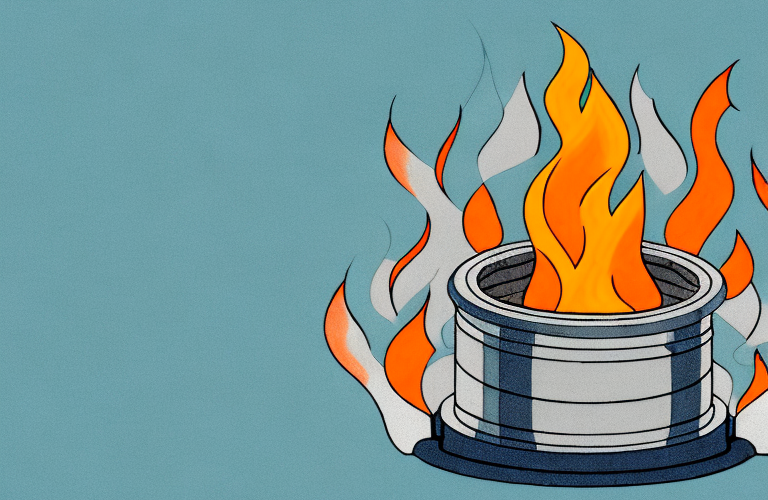

Whether you’re firing a kiln for the first time or you’ve done it several times before, it’s important to understand the consequences of opening a hot kiln. Doing so can have devastating effects on the materials and surroundings, and can even be dangerous. In this article, we’ll discuss the potential consequences of opening a hot kiln, safety precautions to follow, how to understand what causes a kiln to get hot, and tips for cooling down a hot kiln.
Exploring the Consequences of Opening a Hot Kiln
Unsurprisingly, one of the most consequential outcomes of opening a hot kiln is potential for injury. Whether you’ve started the firing process, purged the kiln of combustible gases, or are in the middle of the firing cycle, you should always be mindful of the high temperatures in your working environment. Potential burns, scalding, or fire hazards all pose serious risks that should be avoided.
Beyond the risk to your own safety, opening a hot kiln if often bad news for any materials inside. If you open your kiln before letting it cool off, the full force of the kiln’s heat might cause quick expansion or contraction of the clay, glass, or other materials that can ruin their desired shapes or even permanently damage them. This can translate into an extensive amount of time and effort wasted.
Safety Precautions to Follow When Opening a Hot Kiln
Given everything we’ve discussed, it goes without saying that if you’re going to open your kiln and you haven’t let it cool down properly, you should take some kind of protective measure. Wear flameproof clothing to protect your skin from burns and make sure to wear proper shoes, preferably those made out of leather or rubber. Also, make sure you keep any flammable objects, such as fabrics and paper, away from your workspace.
When you go to open the kiln, cover any air intakes with a damp cloth. This will help prevent any dust and debris from getting sucked inside and reduce the general risk associated with operating high-temperature equipment.
Understanding What Causes a Kiln to Get Hot
The cause of your kiln getting hot will ultimately depend on the type of kiln (electric or gas-fired) and the application. Generally speaking, electric kilns usually require heating elements that must generate enough heat to bring its inner chamber to a certain temperature. Gas-fired kilns may require combustible gases such as propane or natural gas to reach their desired temperature.
When firing for the first time, you will want to pay particularly close attention to heat generation in your electric kiln since it is much easier to control than gas-fired. If your kiln is producing too much heat (indicated by flames), you will want to reduce both the rate at which heat is generated and the total amount it generates. On the other hand, if it’s producing too little heat (indicated by an orange glow), you could increase both rate and total amount of heat it produces.
The Impact of A Hot Kiln on the Firing Process
The effect of opening a hot kiln during the firing process is substantial. Not only can it weaken the integrity of your materials or potentially cause injury to yourself and anyone in the vicinity, but it can also significantly hinder your ability to effectively fire your pieces. Opening a hot kiln can disrupt the firing cycle due to an influx of air from the outside causing a temperature drop — again potentially necessitating repair work or even remaking pieces. It can also damage elements used for heating up the kiln, making them less effective.
Handling Materials in the Vicinity of a Hot Kiln
Another key factor to consider when dealing with a hot kiln is proper handling. With temperatures exceeding 800°F (427°C) in certain electric furnaces, it’s important to always be conscious of anything near or within your vicinity. Make sure all materials are properly insulated or have protective covering to prevent any damage or injury.
You should always practice caution when handling materials in and around your hot kiln. Ensure that all power cords remain firmly connected and avoid using wet tools or materials in these areas as this could create water vapor that would quickly turn into steam when it comes into contact with heated surfaces.
Tips for Cooling Down a Hot Kiln
The good news is that despite its lack of mobility, most electric kilns are relatively easy to cool down quickly. Simply put — switch off the power! This will immediately stop any heat generation and allow the interior chamber to start cooling down. If you’re using gas-fired kilns, you can turn down the gas supply.
Another way to speed up cooling is with the use of fans. You can place them near vents on the kiln’s exterior to help circulate air and disperse heat quicker than natural cooling alone. However, make sure not to point them directly at any vital parts like PID controllers or temperature sensors as this could cause damage.
Troubleshooting Common Issues with a Hot Kiln
When conducting repairs on or otherwise working NEAR a hot kiln, there are certain safety protocols you need to be mindful of. The most important thing is to never attempt repairs on live equipment without first disconnecting all power supplies from their electrical sources — especially if your equipment is running from a gas connection (the potential for fire risk is much higher). Also, never open any part of a hot kiln without first wearing appropriate protective gear and following any proper safety guidelines.
Alternatives to Opening a Hot Kiln
We’ve already discussed some alternatives in terms of cooling down a kiln (fans and switching off power supply), but what about actually opening one? Depending on what kind of work you want to conduct inside there are alternatives like composite structures which form an entire “container” around your materials within. These structures are essentially resistant boxes with insulation and can withhold extremely high temperatures so that when it has fully cooled down you can simply remove it without having to worry about your materials being ruined.
In conclusion, understanding how to operate and maintain your kiln without triggering an explosion or burning yourself requires knowledge, patience and attention to detail. Try following these simple tips for safe handling and handling cooled kilns wisely.