If you’ve ever dreamed of exploring the world of high-temperature ceramics, pottery, and glass, a kiln is the crucial piece in realizing this creative vision. Depending on your planned projects and the level of control you need, the cost and complexity of purchasing a kiln can vary – so exploring your options is essential. In this guide, we’ll answer the question: “Can I buy my own kiln?” and cover all the considerations you need to make in order to choose the right kiln for you.
What type of kiln do I need?
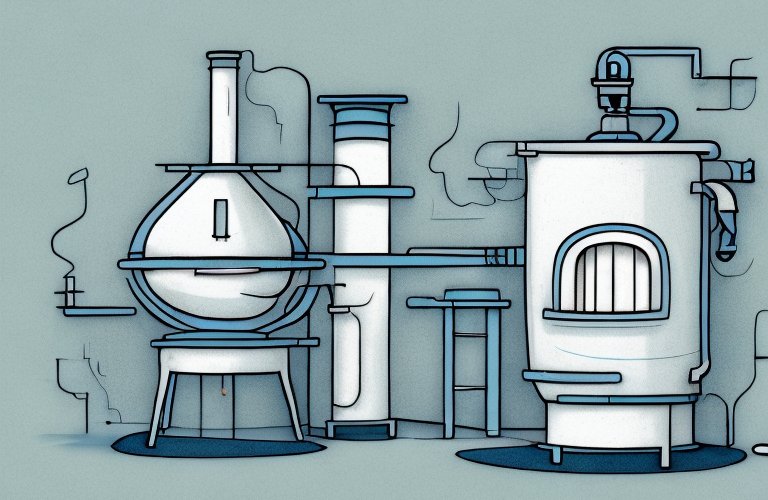
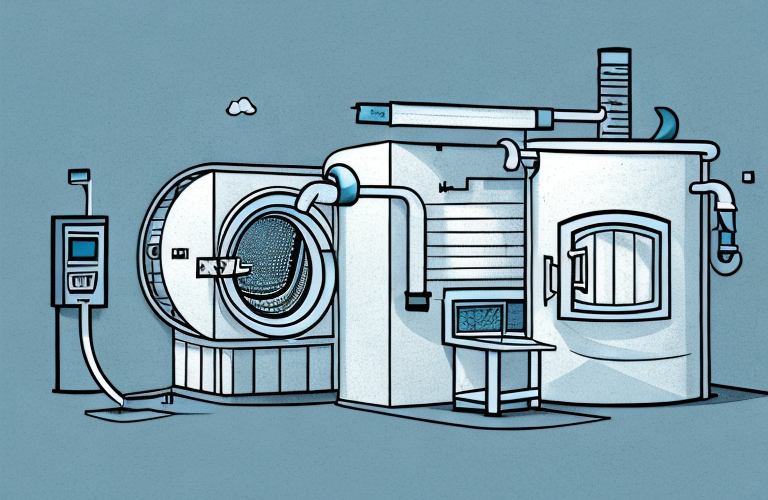
The type of kiln you need is determined primarily by what materials you plan to fire, and how much control you need during the firing process. The two main classifications of kiln are electric and fuel-burning. Electric kilns are more precise and controllable, with precise temperature settings that can be maintained. Fuel-burning kilns, like wood or gas fired kilns, have a more unpredictable nature, but with an element of unpredictability, can provide great results for materials that require it.
Depending on what materials you plan to create, you might require a different type of kiln. For example, glass requires temperatures higher than ceramics, so glass requires a specialist glass-firing kiln.
When selecting a kiln, it is important to consider the size and shape of the kiln, as well as the type of fuel or electricity it uses. Additionally, you should consider the cost of the kiln, as well as the cost of running it. It is also important to consider the safety features of the kiln, such as temperature control and ventilation.
What materials can I fire in a kiln?
The range of materials that can be fired in a kiln is vast. Most commonly, you will use your kiln to fire pottery, ceramics and glass, but more specialist kilns can also fire metal clays and also enamels. Knowing exactly what materials you plan to fire means that you can make sure to select a suitable kiln.
What safety precautions should I take when purchasing a kiln?
A kiln can be dangerous if not handled and used correctly. Before buying a kiln, it is important to check that you have suitable ventilation for your planned area of use. Once your kiln is bought and set up, make sure you become familiar with any safety instructions specific to your chosen model. Be aware of combustible materials in your studio environment – some items may be damaged or even set on fire if too close to your kiln.
What is the cost of buying a kiln?
The cost of buying a kiln can vary widely, depending on the type and size of kiln you require. Basic electric pottery kilns can range anywhere from $200-$3000. Specialty glass-firing or large furnaces can cost thousands of dollars. Gas-fired or wood-fired specialty kilns are often cheaper than electric models ($500-$1500), but require further expenditure on fuel.
Where can I buy a kiln?
Kilns can be purchased from local pottery or art stores that specialize in equipment for ceramics and glass. Many online stores also have speciality kilns for sale. If buying online, make sure to check for safety guarantees before committing to a purchase.
What accessories do I need to use a kiln?
Once you’ve purchased your kiln, there are usually further materials that need to be bought before the kiln can be used safely. Commonly needed materials include ceramic shelves, space blocks, a thermocouple, a firing safety barrier, and other tools designed to make certain day-to-day tasks easier. In addition, items like metal-stands and brick blocks may be needed depending on how you plan to set up your kiln.
How do I set up and maintain a kiln?
Once you’ve purchased all the necessary components for your kiln setup (kiln, accessories and any special materials), the next stage is setting up the kiln properly. Depending on which type of kiln you have purchased, installation instructions may vary, so make sure you follow the instructions for your specific model. Some electrical components may need to be installed by an electrician if you are unsure. Once set up and ready to use, be sure to follow maintenance instructions such as periodically cleaning the elements, thermocouple and shelves – this will ensure longer life and safer use of your kiln.
What other considerations should I make before purchasing a kiln?
Before committing to a purchase, it is important to consider certain factors such as capacity (both space inside and weight capacity), power requirements (some electric models require three-phase power), potential ventilation needs, available space and access points for moving components into your workspace. A thorough assessment of these factors will ensure buying the right model for you.
How do I know when my items are fired correctly in the kiln?
The most reliable way to determine whether an item has been fired correctly is to use an accurate pyrometer or thermometer that records internal temperatures within the kiln during firing. Once these readings are taken, they must then be accurately assessed against required temperatures for specific materials to ensure everything has been fired correctly.
Ultimately, purchasing a kiln can be an expensive investment but if the right model is chosen to meet your needs, it can bring a multitude of creative possibilities with stunning results. We hope this guide has provided all the information and resources needed to answer your questions about buying a new kiln with confidence.