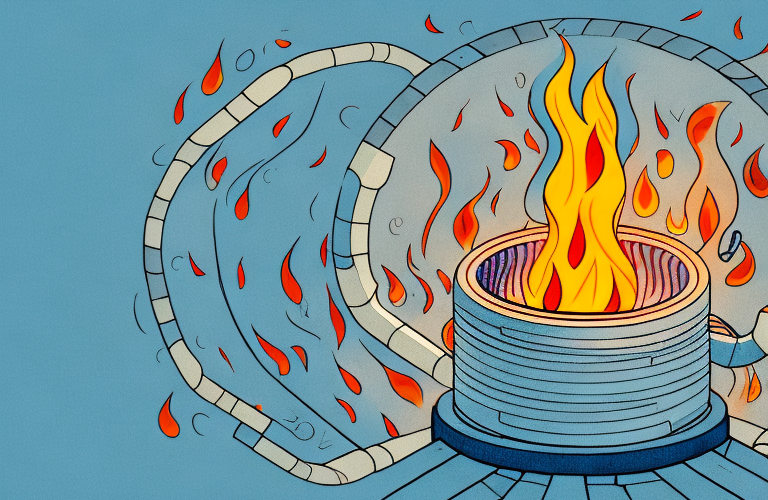
Kiln firing is an integral part of the pottery-making process, and the duration of firing time varies based on the size and type of pottery being fired, as well as other factors related to the kiln itself. In this article, we’ll look at the different factors that affect the duration of kiln firing, different types of kilns and their respective firing times, the different stages of firing, holding times and cool down periods, troubleshooting tips for common issues, and advice for maximizing efficiency.
What Factors Affect Kiln Firing Time?
When deciding how long a kiln firing will take, potters take into account a number of different variables: the size and thickness of their piece; the type and quality of clay being used; the overall temperature of the kiln, as well as its firing rate; and the type of glaze or finish being applied to the pottery.
For example, a thicker piece may need to be fired for longer than a thinner one, as the thicker piece will need more time to reach the desired temperature. Similarly, a piece with a more intricate glaze will require additional firing time in order to achieve a desired effect.
The rate of firing can also vary depending on the kiln. A slow-firing kiln might require additional heat over time in order to achieve the desired temperature, while a fast-firing kiln might require less time.
Preparing for Kiln Firing
Before you begin the kiln firing process, you should make sure your pieces are well prepped for the process. This includes ensuring that all pieces have been fired for a consistent amount of time and have been inspected for any cracks or chips. Thoroughly clean each piece before commencing firing.
You should also make sure that the kiln has been thoroughly tested before firing. Check for air pockets in the kiln’s insulation or any other signs of potential problems that could arise during firing. You should also ensure that your kiln has been properly checked and adjusted for the correct temperature range and program settings.
Types of Kilns and Their Firing Times
There is a wide range of kilns to choose from, each with its own unique firing speed and temperature range. An electric kiln is typically faster than a gas or wood-burning one, as it uses electricity to fire up quickly. On average, an electric kiln can fire up to 1,875°F in two to three hours.
Gas and wood-burning kilns require more fuel and often several hours of preparation, with the average firing temperature being between 1,800 to 2,000°F. They are also better suited to large and more complex pieces, as they tend to generate more even temperatures, which is important for achieving a consistent finish across a large piece.
Understanding the Different Stages of Kiln Firing
When it comes to achieving the desired finish for your pottery pieces, it is important to understand the different stages of kiln firing. Generally speaking, there are four main stages: ramping up, holding, soaking, and cooling off.
Ramping up refers to when the kiln is heated up from the start temperature until it reaches the desired target temperature. The duration of this stage depends on the size of the piece, the density of the clay being used, and the type of kiln being fired.
The holding stage begins when you reach the desired end temperature. This is when the kiln’s temperature is held steady for an allotted period of time in order to achieve a thorough and consistent firing process. The amount of holding time depends on the material being fired and how long it needs to cure.
Soaking is the next stage. During this stage, you leave your piece in the kiln while it cools down – usually quite slowly – until it reaches a point known as “maturation” (a cool but not cold temperature). This stage is slightly more complex based on different materials’ distinct maturation points, but it serves as an important step in achieving your desired finish.
Finally, after maturation is reached, the cool down period begins. This step prevents thermal shock from occurring by slowly decreasing the temperature in order to avoid warping or cracking any pieces that have been fired.
Holding Times and Cool Down Periods
The length of holding time and cool down period depends on both the type of material being fired as well as on how fast/slow your kiln is heating up/cooling down. A slower kiln may require a longer holding time in order to achieve proper maturation – typically around five minutes per inch per 1,000°F – while a faster kiln can often achieve maturation without a holding period at all.
Cooling times vary depending on the material being fired. Some materials can cool down naturally over their usual overnight cycle, while others need to be cooled in stages before coming to room temperature. Generally speaking, an overnight cooling period or 12-hour compression cycle is usually sufficient.
Troubleshooting Common Issues with Kiln Firing
Kiln firing isn’t always a smooth process, so it’s important to be prepared for possible issues that can arise during this step. Common issues include dust build-up, cracks that are caused by uneven heating or cooling temperatures, glaze inconsistency due to over-firing or under-firing, or a duller than desired finish due to oxidation.
To minimize these risks, make sure that you don’t skimp on prepping your pottery pieces before firing – ensuring that all pieces are cleanly wiped off, free from cracks or chips – properly test your kiln before starting (as discussed previously), and keep a consistent firing schedule in order to avoid overheating or underheating your pieces.
If you’re still experiencing issues after all of this, it may be beneficial to contact an experienced ceramicist for advice or visit a ceramic supplies store for additional troubleshooting tips.
Tips for Maximizing Efficiency in Kiln Firing
Kiln firing processes are known to be quite energy intensive and costly if not done right. Following certain tips can help make your firing process more efficient and cost-effective.
First and foremost among these is making sure to properly seal your kiln, not just before use but also using proper maintenance over time in order to ensure that heat builds up quickly and efficiently during use. Another important tip is learning how to use fuel efficiently; whether you’re using an electric or gas-fired kiln, you should use your fuel judiciously – meaning not more than you need – in order to save costs and energy.
Finally, it is important to take into account the cooling rate of your pieces after firing. In most cases, it is best practice to allow them to cool off naturally overnight or through a 12-hour compression cycle instead of quickly cooling them off with forced air in order to reduce risk of thermal shock.
Conclusion
Kiln firing is an important part of pottery making and ceramic art creation processes, with several actions taken beforehand in order to ensure a successful firing cycle.
Successful kiln firing requires knowledge of several factors that affect duration such as size and thickness of your pieces, type and quality of your clay, overall temperature range of your kiln and its rate of firing, and type of glaze used in finishing touches. Additionally, how you prep your pieces before loading them into the kiln and how you cool them off after firing can also determine their final outcome.
With this knowledge in mind, you should now have all the insight you need in order to successfully fire your pottery pieces with maximal efficiency!