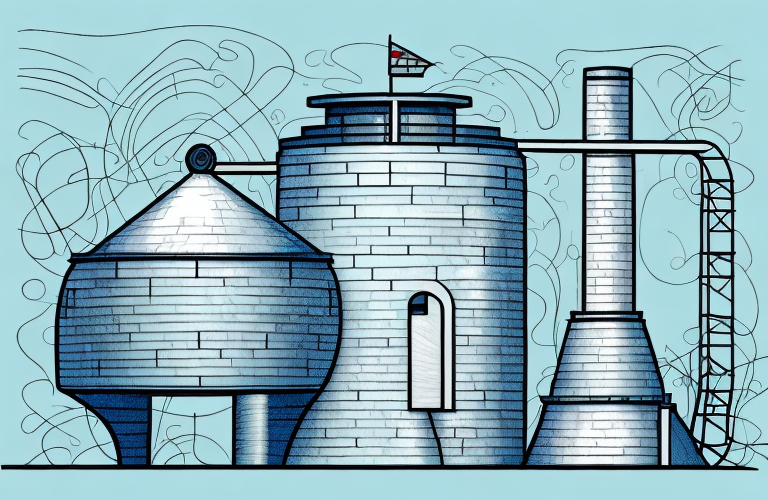
Firing a kiln can be an expensive undertaking, and it’s important to understand the various factors involved and how they can affect the overall cost before committing to it. The total cost of firing a kiln will depend on the type and size of your kiln as well as the materials you use in the firing.
Factors Affecting Kiln Firing Costs
The most important factor affecting kiln firing costs is the type and size of the kiln. The larger the kiln and the more densely packed with material it is, the more fuel will be required to fire it. Other factors such as the complexity of the kiln’s design, the number of different materials used in the firing, and the desired firing temperature can also affect the cost.
The type of fuel used to fire the kiln can also have an impact on the cost. For example, natural gas is typically cheaper than propane, but it may not be available in all areas. Additionally, the cost of the fuel can vary depending on the time of year and the local market.
Costs of Electricity for Kiln Firing
Electricity is often used to fire a kiln, and the cost of electricity can add up quickly. Typically, electricity will contribute a large portion of the overall cost of firing, depending on where you live and the rate your utility company charges for electricity. It’s important to research your utility company’s rates and to know how much electricity your kiln requires for optimal firing.
When researching your utility company’s rates, it is important to consider the cost of electricity during peak hours. Peak hours are typically the most expensive times to use electricity, and can significantly increase the cost of firing your kiln. Additionally, some utility companies offer discounts for off-peak hours, so it is important to research these options as well.
Cost of Fuel or Gas for Kiln Firing
If you are using fuel or gas to fire your kiln, the cost of gas will be a contributing factor in your total bill. Fuel prices can vary greatly depending on where you live and the type of fuel you choose; it’s important to do research to ensure that you are getting the best prices available. Additionally, you should factor in any costs related to transporting and storing fuel or gas if applicable.
When researching fuel prices, it is important to consider the cost of the fuel itself, as well as any taxes or fees associated with it. Additionally, you should factor in any additional costs related to the installation and maintenance of the fuel system. Finally, you should also consider the environmental impact of the fuel you choose, as some fuels may be more efficient and have a lower carbon footprint than others.
Cost of Materials Used in Kiln Firing
In addition to electrical or fuel costs, you’ll also need to factor in the cost of any materials used in the firing process. This could include clay, glazes, molds, and any other supplies you’ve purchased specifically for this firing. It’s important to accurately calculate these costs so you don’t overspend.
When calculating the cost of materials, be sure to include the cost of any tools or equipment you may need to use during the firing process. This could include kiln shelves, stilts, and other items that are necessary for the firing. Additionally, you should factor in the cost of any protective gear you may need to wear while firing, such as gloves, masks, and safety glasses.
Operating Costs for Running a Kiln
Aside from the primary materials used for firing, there are also operating costs that must be taken into account when determining how much it will cost to fire your kiln. This could include the cost of maintenance and repairs, the time spent monitoring and managing your kiln, and any other labor costs associated with running your kiln. It’s important to include these costs in your calculations when deciding how much to budget for your firing.
In addition to the costs associated with running the kiln, you should also consider the cost of energy used to fire the kiln. Depending on the type of kiln you have, the cost of energy can vary significantly. If you are using a gas-fired kiln, you will need to factor in the cost of gas, while electric kilns will require the cost of electricity. Additionally, you may need to factor in the cost of any additional equipment needed to fire the kiln, such as a venting system or a kiln sitter.
How to Reduce Kiln Firing Costs
Fortunately, there are ways you can reduce how much it costs to fire your kiln. One way is to ensure that your kiln is properly insulated and sealed, as this can help reduce energy losses during firing and lower your overall energy costs. You can also take advantage of cheaper energy sources such as natural gas or wood. Finally, researching different suppliers and negotiating lower prices on materials can help you reduce your expenses over time.
Resources for Learning More About Kiln Firing Costs
If you need to know more about the costs associated with firing a kiln, there are plenty of online resources available. Many websites offer online calculators that can help you estimate the total cost of firing based on factors such as type and size of kiln, cost of electricity, cost of fuel or gas, cost of materials, and other labor costs. Additionally, many kiln supply companies provide informative guides about pricing and cost-saving tips for firing a kiln.