

If you’re a craft enthusiast interested in firing your own pottery, sculptures and ceramics, you’ll need a kiln. A kiln is an oven-like structure designed to fire ceramics, and is made from brick, insulation, and heating elements. But one important question remains – can you have a kiln in your house?
What is a Kiln?
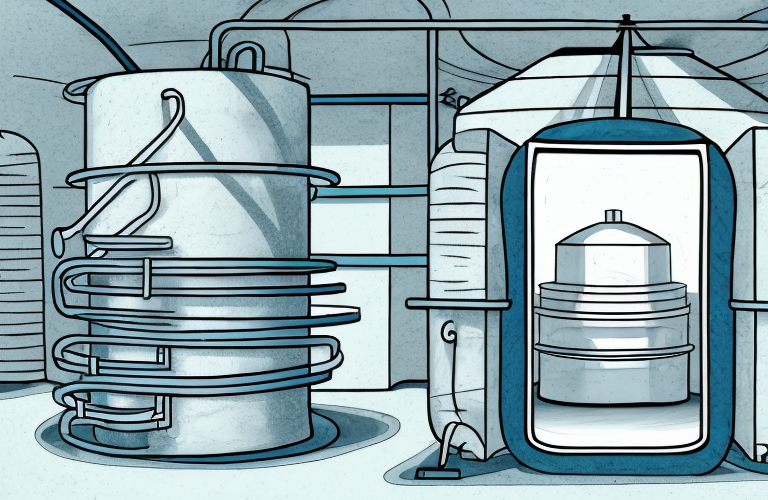
Kilns are ovens used to heat materials to extremely high temperatures. Ceramicists and pottery makers use them to bake their creations and bring out the desired colors and texture of their work. A kiln is made of brick and insulation, with heating elements inside. They typically run on electricity and can reach temperatures up to 2000 degrees fahrenheit.
What Types of Kilns are Available?
Kilns come in a variety of sizes, shapes, and materials. The most common type is the electric kiln, which comes in two variations, depending on how it is fired: top-loading or front-loading. Top-loading kilns require you to open the top of the kiln to place your pieces inside. Front-loading kilns have a door on the front that you can open to access the interior.
You can also purchase gas or wood-fired kilns which use different types of fuel. Gas-fired kilns are operated with a propane or natural gas supplier. Wood-fired kilns use wood or coal to fire the kiln, and are much less common than electric or gas ones.
Are There Risks with Having a Kiln in the House?
As with any type of heating device, a kiln carries risks with it. The greatest risk from owning a kiln is in terms of fire safety, since it can generate extreme temperatures. When not being fired, the kiln should be turned off and unplugged to help prevent potential fires.
You should also ensure that you install the kiln in a safe location. Electrical wiring should be up to code and any nearby combustible materials should be kept away from the kiln. Following safety instructions specific to your kiln will help ensure that your home is safe.
Do I Need Special Permits or Insurance for a Kiln?
In many areas, you will need special permits or insurance to install and operate a kiln in your home. Building permits may be needed if any renovations or additions are made to accommodate the kiln. You may also need additional insurance policy coverage to report the presence of the kiln in your home.
What are the Benefits of Having a Kiln at Home?
Having a kiln at home allows you to fire pieces on your own terms. With access to a kiln, you can experiment with glazing and firing techniques for your craft projects with fewer restrictions. Perhaps most importantly, you can confidently fire pieces knowing that you have maximum control over the environment.
How to Choose the Right Kiln for Your Needs
Choosing the right kiln for you depends on several factors such as size, design, power, temperature capability, budget, and desired features. Before making any decisions, you should review the different types of kilns available and decide which one best fits your needs and budget.
You should also consider the size of your workshop or space that you want to keep the kiln. This will determine the size and shape of the kiln you choose as different configurations require different amounts of space. Finally, make sure that your chosen kiln is rated for firing porcelain, stoneware and earthenware in order to give you plenty of firing options.
How to Set Up and Maintain a Kiln in Your Home
Once you’ve chosen the right kiln for your home, it’s time to set it up and get it running. If you’ve bought an electric kiln and are running it off an electrical panel, you will need to hire a qualified electrician to wire it properly. Make sure to refer to the installation instructions provided by the manufacturer.
Once everything is wired correctly and safely, you’re ready to fire up your kiln. Make sure to carefully review all safety instructions provided by the manufacturer before turning it on. It is important that the kiln is regularly maintained, including replacing heating elements and cleaning out the interior when needed.
Tips for Safely Operating a Kiln at Home
When using a kiln at home, always take safety precautions like using gloves, safety goggles and protective clothing while working around heat sources. Never leave your kiln unattended while it’s in use and don’t leave any combustible materials near it while it’s firing. It’s also important to make sure you have an appropriate ventilation system in place in case hazardous fumes are released while firing.
In addition, you should always make sure that your electrical wiring is up to code. Make sure that everything is checked regularly and that any wiring leading from the electrical panel is securely fastened. Finally, if possible, purchase a kiln with digital temperature controls as this will allow you to safely fire your pieces.
As long as you follow proper safety precautions and acquire the necessary permits and insurance, having a kiln in your house is perfectly feasible and can be great for those interested in firing their own ceramic pieces. With careful planning, you can enjoy pottery made from the comfort of your own home.