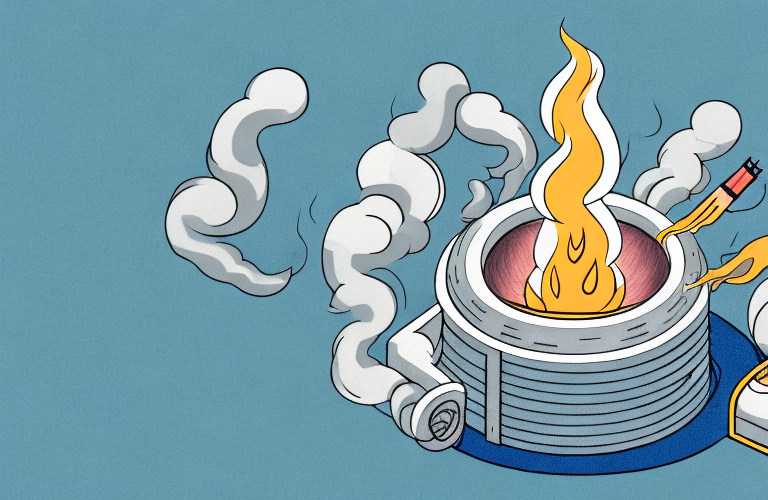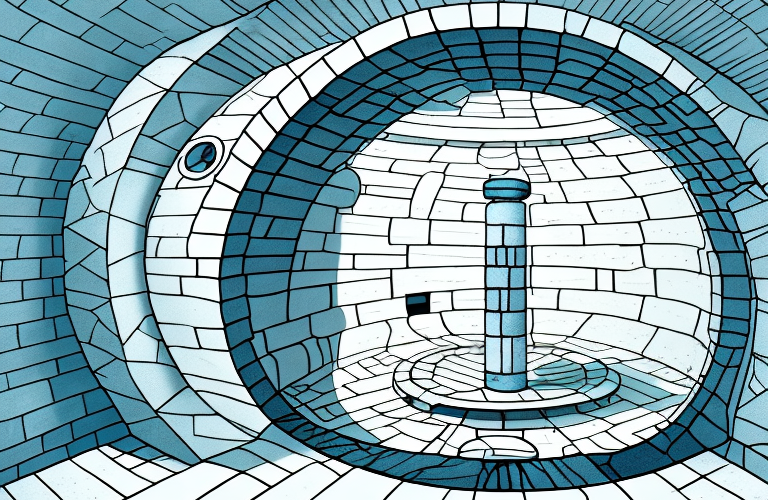

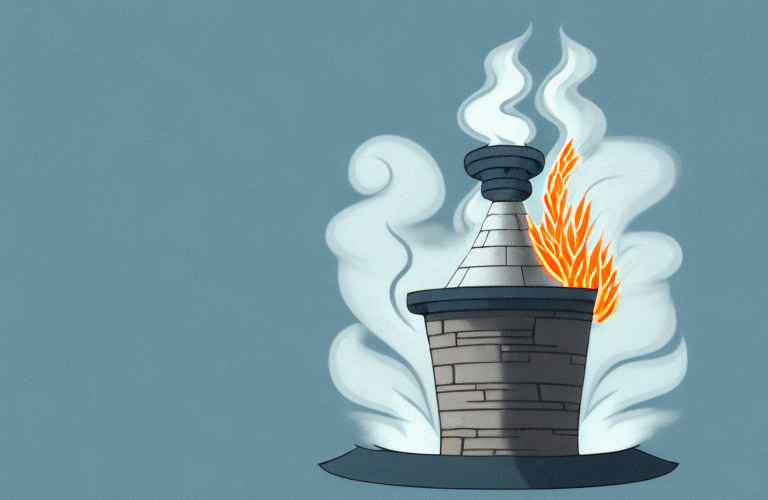
A kiln is a machine that can generate intense heat, making it ideal for baking, drying and firing ceramics, pottery and other materials. However, this intense heat can place strain on the kiln’s structure and parts, and understanding the temperature at which a kiln can break—also known as its breaking point—is essential for avoiding costly damages.
What Materials Can Withstand Extreme Temperatures?
Most kilns are built using materials which can withstand relatively high temperatures, such as ceramic fiberboard or alumina silicate board. These boards are both lightweight and capable of withstanding temperatures up to approximately 2400°F. Clay-coated interior walls may also be used to reduce heat transfer and protect the surrounding environment, while exterior walls typically consist of cast refractory cement, steel or fiber insulation.
In addition to these materials, some kilns may also be constructed with firebricks, which are made from a combination of clay and other refractory materials. Firebricks are able to withstand temperatures up to approximately 2800°F, making them an ideal choice for kilns that require higher temperatures. However, firebricks are much heavier than other materials, so they may not be suitable for all kiln designs.
The Importance of Temperature Control in Kilns
Kilns require the application of precise heat in order to achieve desired results. A consistent temperature must be maintained throughout operation, with operators needing to be aware of thermal expansion rates, cooling rates, and the maximum temperature at which materials can be fired. This can be accomplished through careful temperature control, often via digital controllers used to track firing temperatures in different zones. Additionally, a thermocouple installed in the kiln is ideal for measuring the temperature of the kiln wall.
Temperature control is essential for achieving the desired results in kiln firing. If the temperature is too low, the material may not be fired properly, resulting in a poor quality product. If the temperature is too high, the material may be damaged or even destroyed. Therefore, it is important to monitor the temperature of the kiln closely and adjust it as needed to ensure the desired results are achieved.
Safety Guidelines for Working with Kilns
The extreme temperatures generated by kilns can present significant safety hazards and should thus ensure that all safety measures are followed. Workers should avoid wearing restrictive clothing or jewelry, use protective equipment such as fireproof gloves, and take extra care when handling hot materials. Regular maintenance should also be performed in order to keep kilns in good working order and reduce the risk of breakdowns.
Factors That Affect Kiln Breakage
The breaking point of a kiln—or the temperature at which it breaks due to structural failure—is affected by a number of different factors, including the type and thickness of the material used to construct the kiln and its insulation system, as well as its capacity and design. Poor maintenance can also increase the chances of a kiln breakdown; overloading the kiln or operating it without the necessary safety precautions can put strain on its components and cause them to break down at a lower temperature.
The Impact of Humidity on Kiln Breakage
Humidity levels should also be taken into consideration; even though most kilns are typically waterproofed to prevent condensation, components can weaken and break when exposed to humidity. In general, kilns should not be used in areas where humidity levels exceed 40%, and operators should always ensure that the proper fan settings are used to manage moisture levels.
Different Types of Kilns and Their Heat Tolerance
When it comes to the breaking point of each type of kiln, there is no single answer; for example, small electric kilns used for pottery and ceramics generally have a tolerance of up to 2250°F and are designed to run at lower temperatures for an extended period of time. On the other hand, larger industrial kilns are capable of reaching temperatures more than 3200°F for short periods and have a recommended high limit ranging from 2700°F to 2800°F. Additionally, some kilns have a lower tolerance for electronic control systems, such as digital controllers.
What to Do in the Event of a Kiln Breakage
In the event of a kiln breakdown, operators should take care not to touch any components as they may still be hot. Additionally, they should avoid trying to fix or reassemble any broken components as it may not necessarily be safe. Depending on the extent of the damage and type of kiln repair needed, professional technicians may need to be consulted.
Strategies for Preventing Kiln Breakage
In order to reduce the likelihood of breakage occurring during operation, there are certain steps operators can take; these include ensuring that the correct temperature settings are used for the type of material being heated, adjusting levels of airflow based on material type and moisture levels in the chamber, regularly testing and calibrating thermocouples, and conducting regular inspections to detect any signs of burning or wear. Additionally, workers should be trained in recognizing potential risks before they become serious issues.
Understanding that the breaking point of a kiln can vary depending on material construction, capacity and design, as well as factors such as temperature settings, humidity levels and maintenance, is critical for ensuring the safe use of these machines. By following these preventative strategies and safety guidelines, operators can help ensure that their kilns remain in peak condition and avoid costly damage.