
Although the basic premise is straightforward, firing clay in a kiln can be an intricate process. It takes a thorough understanding of the clay and the kiln you’re using to be successful, and it’s important to know how long to leave the clay in the kiln before taking it out. Choosing the correct amount of time depends on the type of kiln and what you’re wanting to achieve. The following tips and considerations are necessary to make sure you get the absolute most out of firing your clay in a kiln.
Benefits of Firing Clay in a Kiln
Firing clay in a kiln brings out the beauty of the clay and permanently sets the clay’s shape and texture, which makes the final product strong and vibrant. Additionally, firing clay in a kiln allows you to create glazed and painted pieces that can’t be made any other way. If you’re aiming to create a beautiful piece of pottery or ceramic art, a kiln is almost necessary.
Kilns also allow you to fire clay at higher temperatures than other methods, which can create unique effects and textures. Additionally, firing clay in a kiln can help to reduce the risk of cracking or warping, as the clay is heated and cooled slowly and evenly. This helps to ensure that your finished piece is of the highest quality.
Types of Kilns and Their Appropriate Temperatures
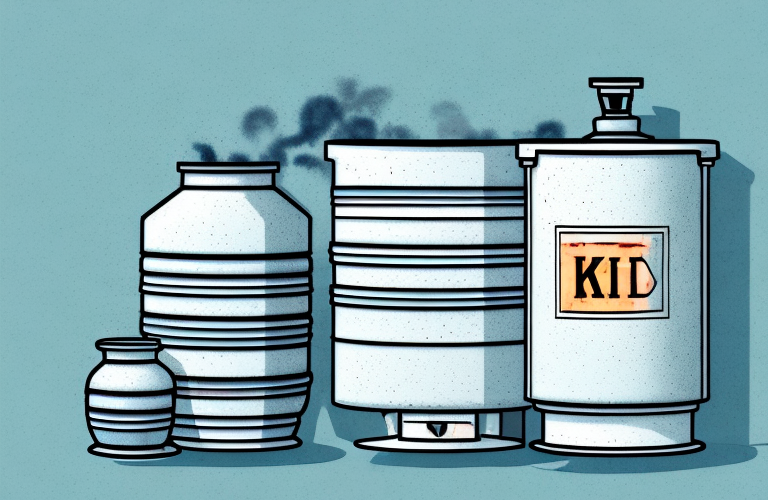
Kilns come in many different sizes, styles, and temperatures. Choosing the right kind of kiln depends on your specific project. A raku kiln is best if you’re creating decorative surfaces, as it reaches lower temperatures than other kilns. Conversely, for functional ware and sculptural work, you’ll need a larger kiln that reaches higher temperatures. To ensure the best firing results, it’s important to make sure the temperature of your kiln is appropriate for your project.
Common Mistakes to Avoid When Firing Clay in a Kiln
It’s easy to make mistakes that can cause your clay to warble or crack due to too much heat. For this reason, it’s important to make sure that you’re not under- or over-firing your clay. Over-firing occurs when your clay is subjected to too much heat for too long, while under-firing occurs when your clay is heated too low. To avoid these mistakes, it is important to always use an appropriate clay body and reliable firing schedule.
Safety Tips for Firing Clay in a Kiln
Firing a kiln can be a dangerous activity because of the heat involved. Make sure to wear protective gear like an apron and heat-resistant gloves when firing your kiln. Consider investing in a kiln vent to ensure proper ventilation and avoid any risk of harmful fumes from the firing process. It is also important to keep your kiln clean, as grease or dust can ignite when exposed to high temperatures.
Factors to Consider When Deciding How Long to Leave Clay in a Kiln
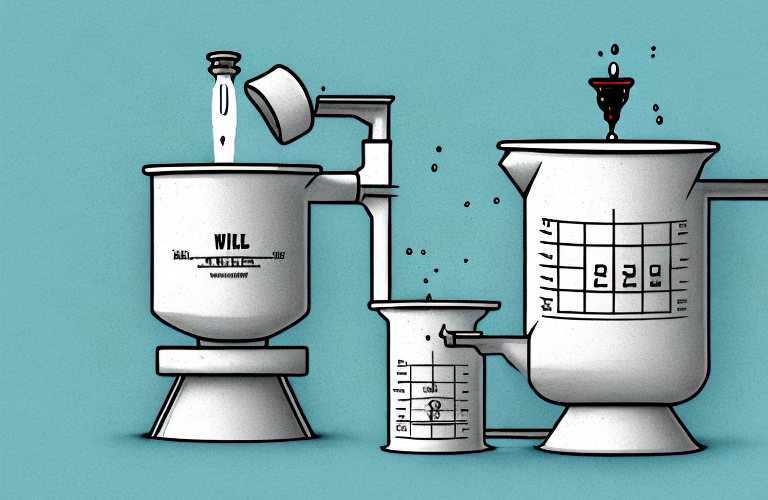
The amount of time required to fire your clay will vary depending on the type of kiln you are using and the size of the piece you are firing. Generally speaking, larger pieces require more time than smaller pieces. Additionally, lower-temperature kilns will require a longer firing time than higher-temperature kilns. Make sure to consult your kiln’s manufacturer instructions for specific guidelines and recommendations on firing times.
Tips for Successfully Firing Clay in a Kiln
When firing clay in a kiln, it’s important to pay close attention to detail. First, make sure that the piece has been properly dried and fired without any moisture, as this can cause warping or cracking. Additionally, allow at least a one hour cooling period before opening the kiln after firing. Glazing should be done after cooling for 24 hours, and keep in mind that glazing does require additional manual cooling afterwards.
Troubleshooting Issues with Firing Clay in a Kiln
Pottery can often warp, crack, or otherwise fail for a variety of reasons. When troubleshooting issues with fired clay, be sure to look for signs of warping or cracking, as these can indicate over- or under-firing. It can also help to ask experienced potters for advice. Additionally, if you’re using an electric kiln, you should make sure it is properly insulated and grounded before turning on the power.
Troubleshooting Issues with Firing Glazes on Clay in a Kiln
Firing glazes on clay can also be tricky. Over-firing glazes can cause them to run or turn muddy, while under-firing them can lead to dull or chalky finishes. To troubleshoot these issues, it’s important to look at the glaze temperature range given by the manufacturer. The optimal temperature range should be slightly below the melting point of the glaze. Additionally, glaze separation and pinholing can be caused by excessive water content in the glaze; it’s important to thoroughly mix and sieve glazes before applying to ensure even results.
Firing pottery in a kiln requires a careful balance between artistry and physics. The information provided above can help you understand how long to leave clay in a kiln and what considerations you need to make when firing clay in a kiln. Following these tips will help ensure that your next fired clay project turns out exactly as you planned it.