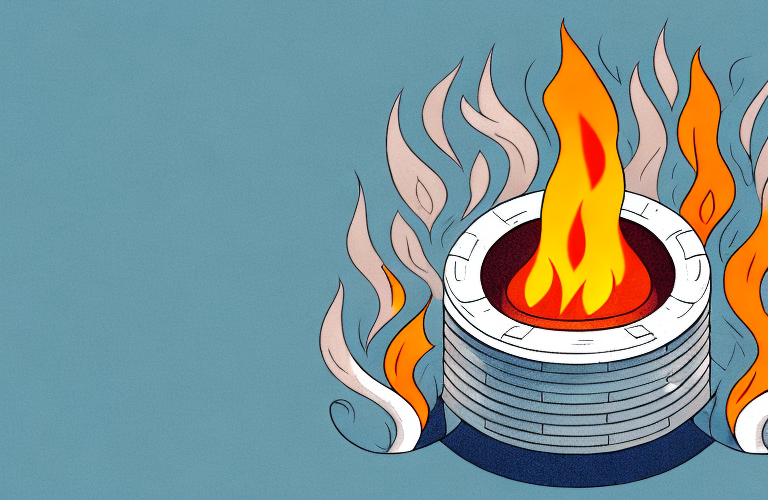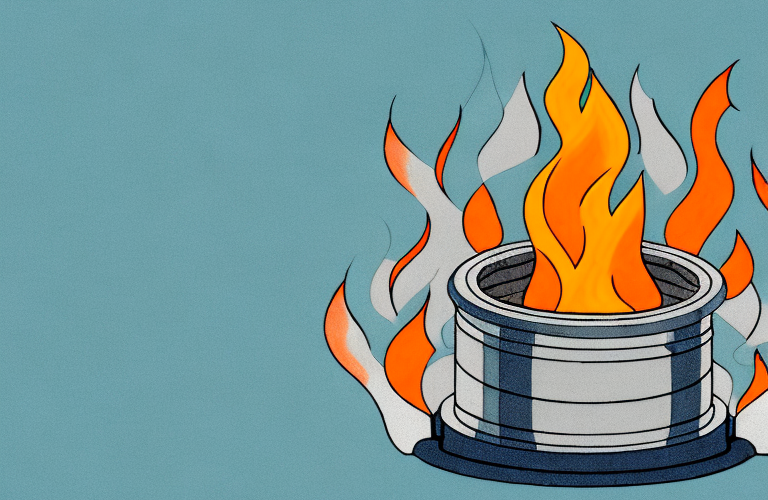
A kiln is an oven or furnace used to heat materials, such as ceramics or metals, to a very high temperature, usually over 1000°F. Although the use of kilns is an ancient practice, they are still found in many applications today, including ceramics and glass-making, as well as in industrial heating applications. Kilns have many advantages, but one of the most important is their ability to generate very high temperatures safely and reliably. Unfortunately, this same advantage also comes with a potential downside: if not operated properly, kilns can become dangerously over-heated.
What Causes Kiln Overheating?
When it comes to preventing kiln over-heating, it helps to understand why and how it occurs in the first place. Kiln’s can overheat when they are operating at temperatures that require frequent input from the user to safely maintain, or when the temperature sensors fail, allowing the kiln to reach higher than expected temperatures without being noticed in time. Other causes of over-heating can include a faulty cooling system or a malfunctioning heat controller.
In addition, kilns can overheat due to a lack of proper insulation. Without proper insulation, the kiln can become too hot and cause the temperature to rise beyond the desired level. Additionally, if the kiln is not properly ventilated, the heat can become trapped and cause the kiln to overheat. Finally, if the kiln is not regularly maintained, it can become clogged with dust and debris, which can also lead to overheating.
How to Prevent Kiln Overheating
To prevent kiln over-heating, it is essential that users understand the temperature requirements of their specific kiln and take action to stay within that range. If the temperature of a kiln is too high, then the necessary safety measures must be taken to lower the temperature quickly and safely. This can include shutting off the gas supply and adjusting any valves or switches controlling the kiln’s heat.
Constant monitoring of the kiln is also important in preventing it from reaching dangerous temperatures. This can be done manually by ensuring that personnel on duty keep an eye on the temperature readings, or by investing in temperature control systems designed to prevent high temperatures from occurring in the first place.
It is also important to ensure that the kiln is properly ventilated to prevent the build-up of heat. This can be done by installing fans or other ventilation systems to help circulate the air and keep the kiln at a safe temperature. Additionally, regular maintenance and cleaning of the kiln should be done to ensure that it is running efficiently and not producing more heat than necessary.
Warning Signs of Kiln Overheating
Although prevention is always better than cure, it is still important to recognize the warning signs of kiln over-heating before it reaches dangerous levels. Some of the most common warning signs include uncontrolled air flow from the kiln’s exhaust, black smoke coming from the kiln’s vents, and the kiln reaching temperatures higher than expected without user intervention.
Other signs of kiln overheating include a burning smell coming from the kiln, the kiln’s walls becoming discolored, and the kiln’s interior becoming too hot to touch. If any of these warning signs are present, it is important to take immediate action to prevent further damage to the kiln. This may include turning off the kiln, allowing it to cool down, and checking for any potential problems.
Effects of Kiln Overheating
The effects of over-heating a kiln can range from minor damage to the materials being processed to loss of life. As the temperature inside the kiln rises, it can ignite combustible materials and ignite fires, as well as create toxic gases such as carbon monoxide or nitrogen oxide. If not contained quickly, these fires can spread beyond the confines of the kiln and cause significant damage or injury.
Troubleshooting Tips for Kiln Overheating
If your kiln is over-heating, then the first step is to shut off the gas supply to the kiln and take action to efficiently reduce its temperature – usually through air cooling or water cooling. It is also important to inspect any sensors or control systems connected to the kiln as they may have malfunctioned and be responsible for the over-heating. If any faults are found in these components then they should be replaced or repaired as soon as possible.
Safety Tips for Working with a Kiln
Most importantly, safety should be the key priority when working with a kiln. This includes wearing protective gear such as heat resistant gloves, protective eyewear and safety overalls, as well as conducting regular safety checks on any parts of the kiln which could cause injury if malfunctioned. Regular maintenance should also be conducted to reduce the chances of any serious incidents occurring.
Alternatives to Kilns
In some cases, an alternative to a kiln may be preferable. Some alternatives include electric convection ovens and infrared ovens. However, it is important to understand that while they can offer some advantages over conventional kilns – such as low electricity costs and relatively few moving parts – they may not be suitable for all applications.
In short, while kilns can reach temperatures unattainable by alternative solutions, it is important to understand that they can require frequent user intervention and careful monitoring to ensure they are not over-heated. By understanding how and why this occurs, users can take steps to ensure their safety and that of their materials, and to prevent any damage occurring due to excessive temperatures.