Hand building techniques are an integral part of working with clay. It is a great way to create any kind of object you can dream up in three-dimensional form, from sculptures, to trinkets, art pieces, and even functional pieces like vessels and plates.
Introduction to Hand Building
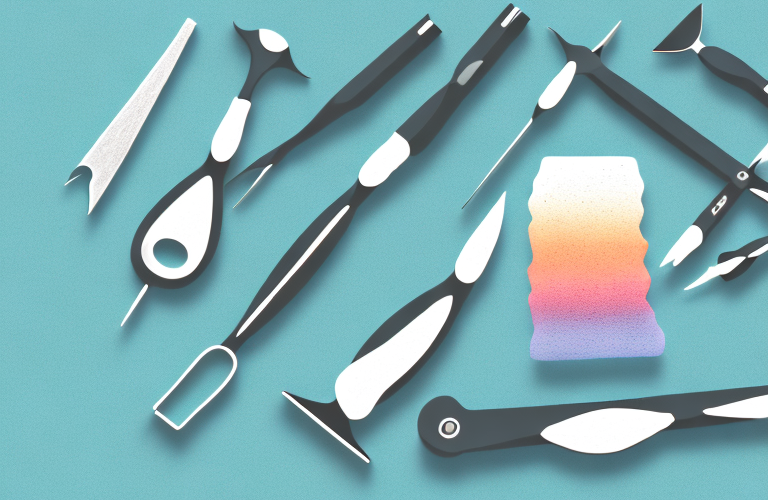
Hand building is an age-old method for forming clay into a desired shape. It is typically done by shaping the clay directly with your hands and simple tools, such as rolling pins, ribbons or sticks. The process starts with either a clump of clay or pre-made coils and usually progresses to trimming and forming the piece. You can add the details afterwards with tools such as hole makers, knives, needles and stamps. Hand building is all about the process, in which you get to be creative while also learning the fundamentals of working with clay.
The hand building process is a great way to explore the possibilities of clay. It allows you to create unique pieces that are not possible with other methods. You can also use hand building to create functional pieces, such as plates, bowls, and cups. With a little practice, you can create beautiful pieces that will last for years.
The Coiling Method
The first technique is called the coiling method. This begins with a solid base, or foundation, that can be manually manipulated by rolling the clay into a coil and then pressing it down on the base. It’s ideal for making large vessels with curved sides and for creating roundish shapes like bowls. You can also layer coils on top of each other to create interesting wall decorations or sculpture pieces.
The coiling method is a great way to create a variety of shapes and sizes. It is also a great way to practice and refine your skills as a potter. With practice, you can learn to control the thickness of the coils and the shape of the vessel. You can also experiment with different types of clay to create unique textures and colors.
The Slab Method
Another hand building technique is the slab method. Slabs are thin, large sheets of clay used to create flat objects that don’t require much detail, such as platters and tiles. Start off by rolling out the clay on a work surface until it’s about one quarter of an inch thick. You can then use a variety of tools to shape and size the piece to fit your desired design. As well as cutting out small shapes like flowers and hearts, you can also cut out larger pieces to form your desired shape.
Once you have the desired shape, you can add texture to the piece by using tools such as a rib, a brush, or a sponge. You can also add color to the piece by using glazes or underglazes. Once the piece is complete, it needs to be dried and fired in a kiln. After firing, the piece is ready to be used or displayed.
The Pinching Method
Pinching is another popular hand building technique. It’s great for making small teacups, vessels, animals, ornaments, and just about any other kind of small detail work. Begin by lightly damping the clay so it will be more malleable for manipulation. Then start to form shapes with your fingers and tools by elongating, flattening, and rounding curves.
Tips for Working with Clay
When working with clay, remember that keeping your tools and hands dampened can help to avoid cracks and dryness when you shape and cut the clay. If needed, apply water to the surface of the clay to help make it malleable. You may find it easier to hold up a bowl shape when using the coiling method by applying a base layer of coils first before adding the other layers. When done correctly, these hand building techniques can produce some amazing pieces.
Finishing Touches for Hand Building Clay Projects
When your pieces are complete, let them dry slowly. Make sure your pieces are completely dry before moving onto the next project. Final touches can include sanding down any edges that need to be smoothed out and painting details on top with acrylic paints or glazes.
Getting Creative with Hand Building Clay Techniques
These three hand building techniques can be combined to create unique designs. Cut out shapes from slabs that you can attach to pinch pots or coiled vessels to create animals or even characters. All you need is a bit of imagination and patience. You may even come up with something unexpected.
Advantages and Disadvantages of Hand Building Clay Techniques
The advantages to hand building are that you have more control over the design process, and you can easily customize your pieces according to your individual tastes. But there are also some disadvantages to consider. These techniques can be difficult to master and require time and patience to achieve professional-looking results. Pieces created using this method are usually much heavier than pieces made with other techniques.
Alternatives to Hand Building with Clay
If hand building isn’t for you there are other options for creating shapes with clay such as throwing on a pottery wheel and slip casting. Throwing is ideal for creating vessels and other cylindrical shapes in less time, while slip casting is perfect for making complex shapes in plaster moulds.
No matter which technique you choose, hand building can be a very enjoyable and fulfilling experience when done correctly. With practice any beginner can create beautiful objects in 3D form.