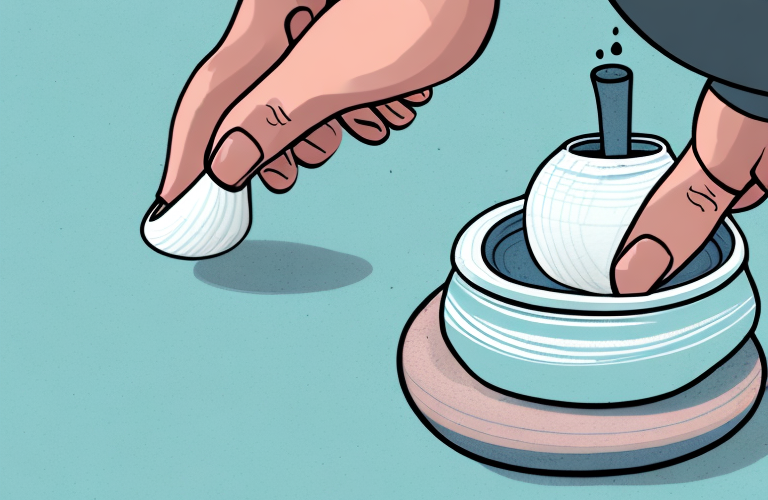


Glazing pottery is a key component of making a quality piece. The process involves adding a thin layer of glass that is fused to the surface of the clay via high temperatures in the firing process. The thickness of this glaze is an important factor in determining the overall success of the end result. Optimizing the glaze requires an understanding of the different types of glazes, the ideal consistency, and the necessary tools and materials to achieve the desired finish.
Signs of a Properly Glazed Pottery Piece
A proper glazed pottery piece should have a uniform and glossy finish that has no visible defects such as cracks, crazing, discolorations, or lumps. Generally speaking, the glaze should cover the entire surface of the pot without leaving any sections of exposed clay. Additionally, the different parts of the pottery piece should all have an even texture throughout.
The glaze should also be applied in a consistent thickness throughout the piece. If the glaze is too thick in some areas, it can cause the piece to become misshapen or warped. On the other hand, if the glaze is too thin, it can cause the piece to become brittle and prone to cracking. Therefore, it is important to ensure that the glaze is applied evenly and in the correct thickness.
Measuring the Thickness of Glaze
Measuring the thickness of glaze on a pottery piece is important in determining how successful it will be. The ideal thickness of glaze will vary depending on the type of glaze and the goal of the project. In general, a thick glaze produces vibrant colors while thin glazes give off a softer hue. To measure, you can use a caliper to measure how thick the glaze is in millimeters. Or, you can use a thickness gauge to determine how much thickness you’re dealing with.
Testing the Consistency of Glaze
Another way to test for the proper thickness of glaze is by testing its consistency. When glaze is applied too thickly, it can become crumbly or have a lumpy texture. If it is applied too thin, it can come out watery or have a dull finish. To test, you can simply dip a piece of ceramic clay in glaze, or you can scrape off a small amount and observe its consistency.
Adjusting the Thickness of Glaze
If you find that your glaze isn’t at the desired thickness, then you can adjust it. The most common way to do this is by adding water or adjusting the temperature in your kiln. Adding more water will help thin out the glaze while raising the temperature in your kiln will increase its viscosity. It is also possible to adjust the thickness by switching out some ingredients in your glaze mixture so it fits your desired finish.
Understanding the Different Types of Glazes
There are many different types of glazes available that are well suited for specific tasks. For example, opaque glazes create a matte finish while glossy glazes provide a vibrant shine. Additionally, glazes can be matte, glossy, or ladled and each style will require different application techniques and processes. It’s important to understand the nuances of each type and how to apply them correctly.
The Benefits of Properly Glazed Pottery Pieces
Properly glazed pottery pieces have a number of benefits. For one, they won’t discolor or become brittle over time. In addition, properly glazed pieces are more resistant to dirt, dust and other contaminants that can damage a pottery piece. Finally, properly glazed pieces are more resistant to temperature changes, which means they won’t warp or crack over time due to drastic shifts in temperatures.
Troubleshooting Common Glazing Issues
Glazing can be difficult and there are many pitfalls that can occur during the process. One common issue is streaks in the glaze. This can be caused by inadequate preparation before applying glaze or by not letting the piece cool off sufficiently before firing it. Similarly, insufficient drying time can cause drips or lumps in the finished product. If this occurs, it’s important to let the piece cool completely before re-attempting.
Tips for Working with Glazes
When working with glazes, it’s important to take your time and follow some simple tips. First and foremost, you should always wear protective gear such as gloves and a mask when handling glazes or working in the kiln. Additionally, you should keep a watchful eye on your work during kiln firing and watch for any signs of cracking or bubbling. Finally, make sure that you clean up any excess glaze from your pot correctly so as not to contaminate other pieces that may come into contact with it.
Recommended Tools and Materials for Glazing
When glazing, you’ll need the right materials and tools in order to get the job done correctly. This will include protective gear such as gloves and masks as well as a variety of brushes and sponges. Additionally, you’ll need mixing vessels and containers as well as ingredients like stains and oxides. Finally, you’ll need a kiln and a kiln shelf in order to fire your piece with precision timing.
Glazing pottery requires patience and a good understanding of materials and techniques. Having the right tools and knowledge at hand is key in producing quality results. By understanding the signs of a properly glazed pottery piece, measuring the thickness of glaze, testing its consistency, adjusting its thickness and working with specialized tools, you can make sure that your work comes out just as you imagined it would.