The short answer to this question is: yes, a kiln does use a lot of electricity. While deeper analysis is needed to determine exactly how much electricity a kiln consumes, the fact that heat is required to work with ceramics, glass, and other materials makes the kiln one of the most energy-intensive pieces of equipment used in the craftsmanship process. This is why understanding kiln energy efficiency and taking steps to reduce kiln energy consumption are so important.
What types of kilns require more electricity?
Different types of kilns consume different amounts of electricity based on the materials being worked with and other variables. For example, electric kilns are usually more expensive than gas fired models, but their precise temperature control potential and wide range of programmed firing modes often justify the expense. Additionally, bigger projects that require higher temperatures tend to use more electricity than smaller items with lower firing temperatures.
The type of kiln also affects the amount of electricity used. For instance, a top-loading kiln requires more electricity than a front-loading kiln, as the top-loading kiln needs to heat the entire chamber, while the front-loading kiln only needs to heat the items inside. Additionally, some kilns are designed to be more energy efficient than others, so it is important to research the type of kiln you are considering to ensure it is the most efficient option.
How much electricity does a kiln typically use?
The exact amount of electricity a kiln uses varies significantly depending on several factors, such as its size and type, the materials being worked with, and the desired firing temperature. Typically, the total power draw for a full 12-hour firing cycle can range from 2kWh for a low-fired project to over 20kWh for high-temperature firings. However, it’s important to note that this is an average estimate and actual kiln usage figures will depend on the specific project parameters.
How to reduce kiln energy consumption
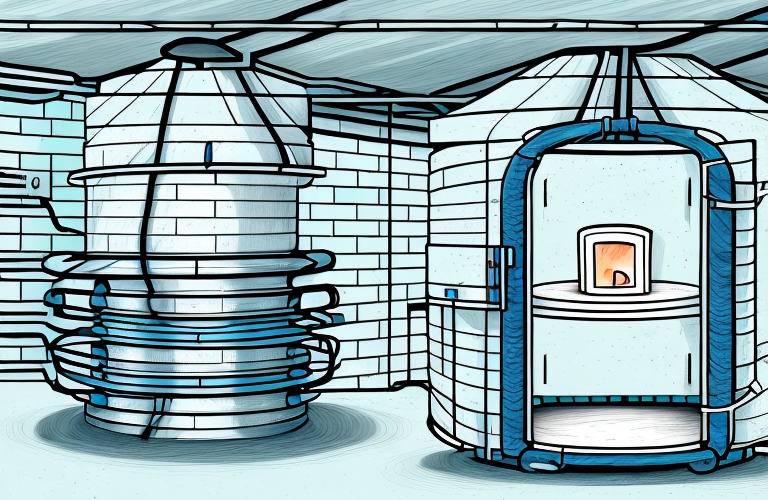
Reducing the energy consumption of a kiln can be a challenging task, but there are certain steps that can be taken to minimize electricity usage. These include investing in an energy-efficient kiln, cycling the kiln on and off to reduce unnecessary temperature losses, and using temperature controllers or pyrometers to measure and adjust the firing temperature. Additionally, using insulation between the kiln and its surrounding environment can also help to keep heat losses to a minimum.
Factors that affect kiln energy usage
In addition to the factors already mentioned, there are other factors which can affect kiln energy usage. For example, the amount of time between firings will affect how much electricity is used, as will the size and arrangement of the items being fired. Additionally, the ambient temperature of the room where the kiln is located can also impact energy usage. Finally, proper maintenance and regular inspections will help to ensure that the kiln is running as efficiently as possible.
Understanding kiln energy efficiency
Understanding how to make a kiln as energy efficient as possible is key to minimizing its electricity consumption. Investing in an energy efficient kiln and taking steps such as insulating the kiln chamber and controlling its temperature will help to ensure that electricity usage is kept to a minimum. Additionally, installing timers and cycling the kiln on and off when not in use can also help to save energy.
Benefits of using an energy-efficient kiln
Using an energy-efficient kiln will not only help to save money on electricity bills, but it will also help to reduce your environmental impact. Additionally, energy-efficient kilns are typically more densely insulated than standard models, allowing temperatures to be reached more quickly while using less energy. This means that projects can potentially be completed in less time and with less energy consumed.
Comparing the electricity usage of different types of kilns
Comparing the electricity usage of different types of kilns can be difficult as many variables can influence their energy consumption. However, generally speaking electric models tend to use more electricity than gas fired ones. This is because electric models often hold higher temperatures for longer periods of time compared to gas fired models. Additionally, electric kilns often have a greater requirement for insulation than gas fired models, which can additionally increase their electricity usage.
The environmental impact of kiln electricity usage
The environmental impact of kiln electricity usage can be significant. Firing ceramic products often requires large amounts of energy, particularly if higher temperatures are needed. This means that electricity generated from non-renewable sources such as coal or natural gas can often be used to power kilns. As such, steps such as investing in energy efficient kilns and cycling them on and off when not in use can help to reduce their environmental impact.
Tips for reducing kiln electricity costs
Reducing the costs associated with kiln electricity usage generally involves taking steps to reduce unnecessary energy consumption. Purchasing an energy-efficient model and ensuring that the kiln’s insulation is up to date will help to minimize electricity usage. Additionally, making sure that the kiln chamber is well organized and tightly packed will ensure that maximum results are achieved with minimal drain on resources. Lastly, investing in temperature controllers or pyrometers to accurately measure and adjust the firing temperature can also help to reduce electricity costs.