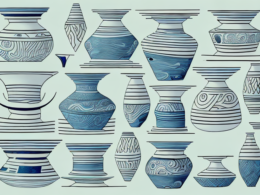

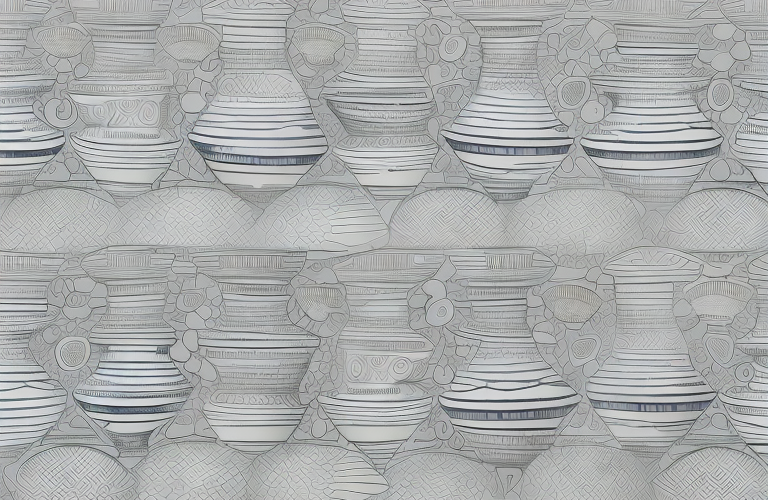
Pottery and ceramics are two related yet distinct materials with a rich history and wide range of uses. While often used interchangeably in casual conversation, there are significant differences between the two that are important to understand. In this article, we will explore the history, characteristics, techniques, and uses of pottery and ceramics to provide a comprehensive understanding of their similarities and differences.
Understanding the History of Pottery and Ceramics
The history of pottery and ceramics is intertwined with human evolution and societal developments. Archaeological records indicate that early pottery dates back to the Neolithic period, around 10,000 BC, when humans began to settle down and cultivate crops. The earliest forms of pottery were simple containers made by hand using clay gathered from riverbanks, which were then dried and baked in the sun.
Over time, pottery evolved along with human societies and cultures. New techniques and materials were developed, such as the use of a potter’s wheel, which allowed for more precise and consistent shapes. Firing techniques, such as pit firing, kiln firing, and glazing, were also developed, which had a profound impact on the aesthetic and functional properties of pottery. Ceramics, on the other hand, emerged much later in human history, with the first evidence of ceramic objects dating back to around 24,000 BC in the form of figurines and religious objects.
During the Middle Ages, pottery and ceramics were highly valued commodities, and skilled potters were in high demand. The production of pottery became more specialized, with different regions and cultures developing their own unique styles and techniques. For example, Chinese porcelain, which was highly prized for its delicate beauty and translucency, was developed during the Tang Dynasty (618-907 AD).
Today, pottery and ceramics continue to be an important part of human culture and artistic expression. Many artists and artisans use traditional techniques and materials to create beautiful and functional objects, while others experiment with new technologies and materials to push the boundaries of what is possible. Whether you are a collector, a hobbyist, or simply appreciate the beauty and history of pottery and ceramics, there is always something new and exciting to discover in this fascinating field.
The Origins of Pottery and Ceramics
Pottery and ceramics have different origins, with pottery primarily originating from the functional needs of early human societies and ceramics from the artistic traditions of different cultures around the world. Pottery, as mentioned earlier, emerged as a form of functional container for storing food and water and evolved over time to include decorative elements. Ceramics, however, developed primarily as art forms, often featuring intricate designs and patterns.
Despite their different origins, pottery and ceramics have had a significant impact on human history and culture. Pottery has been used for practical purposes such as cooking, storage, and transportation, while ceramics have been used for artistic expression and cultural identity. Both have been used in religious ceremonies, as well as in trade and commerce. Today, pottery and ceramics continue to be important forms of art and craft, with many artists and artisans creating unique and beautiful pieces that are highly valued by collectors and enthusiasts alike.
The Evolution of Pottery and Ceramics Over Time
Both pottery and ceramics have undergone significant changes and advancements over time. For example, pottery has evolved from being primarily functional to a more decorative and artistic form. With new techniques and materials, such as porcelain, artists can create intricate and detailed works of art that are as aesthetically pleasing as they are useful. Likewise, ceramics have also undergone significant changes, with advancements in glazes, firing techniques, and decoration leading to some of the most beautiful and intricate works of art globally.
One of the most significant changes in the evolution of pottery and ceramics is the shift from traditional methods to modern technology. Today, artists can use computer-aided design (CAD) software to create intricate designs and patterns that were once impossible to achieve by hand. This has opened up new possibilities for artists to create unique and innovative works of art.
Another important development in the world of pottery and ceramics is the growing interest in sustainable and eco-friendly practices. Many artists are now using recycled materials and natural glazes to create their works, reducing their environmental impact and promoting a more sustainable approach to art-making. This trend is not only good for the environment but also adds a new dimension to the art form, as artists experiment with new materials and techniques to create beautiful and sustainable works of art.
Defining Pottery: Characteristics, Techniques, and Uses
Pottery refers to containers and other objects made from clay that has been fired to a high temperature to make it hard and durable. Pottery is typically made by hand, using techniques such as coiling, slab construction, or throwing on a potter’s wheel. The most commonly used types of pottery include earthenware, stoneware, and porcelain. Earthenware is a low-fired pottery that is often used for utilitarian purposes such as cooking and storage, while stoneware and porcelain are higher-fired and more durable, making them ideal for decorative and artistic purposes.
Aside from its functional and artistic uses, pottery has also played a significant role in human history and culture. Archaeological evidence suggests that pottery has been used for thousands of years, with some of the earliest examples dating back to prehistoric times. Pottery has been used for a variety of purposes throughout history, including as vessels for food and drink, as burial urns, and as decorative objects. In many cultures, pottery has also been used as a means of artistic expression, with skilled potters creating intricate designs and patterns on their pieces.
Defining Ceramics: Characteristics, Techniques, and Uses
Ceramics, on the other hand, refer to objects made from a variety of materials, including clay, glass, and metal, that are fired to a high temperature to create a hard and durable surface. Ceramic art typically involves intricate designs and patterns, with a focus on aesthetic beauty and cultural significance. Some of the most common types of ceramics include terracotta, majolica, porcelain, and bone china, each with its unique characteristics and uses.
The Different Types of Pottery: Earthenware, Stoneware, Porcelain, and More.
As mentioned earlier, there are different types of pottery with varying characteristics and uses. Earthenware, for example, is porous and generally used for utilitarian purposes such as storage and cooking. Stoneware, on the other hand, is non-porous and highly durable, making it suitable for decorative and functional purposes. Porcelain, the most delicate and translucent variety of pottery, is often used for tableware and decorative objects.
Exploring the World of Ceramics: From Terracotta to Bone China.
The world of ceramics is vast and diverse, with a range of materials and techniques used to produce beautiful works of art. Terracotta, for instance, is a type of clay that is unglazed and often used for outdoor decoration. Majolica pottery, on the other hand, is a type of earthenware with a glazed surface, used for both decorative and utilitarian objects. Porcelain and bone china, as mentioned earlier, are highly delicate and translucent and often used for tableware and decorative objects.
Identifying the Differences Between Pottery and Ceramics: Materials, Firing Temperatures, and More.
While both pottery and ceramics involve the use of fired materials, there are significant differences between the two, including firing temperatures, materials used, and production techniques. For instance, pottery is typically made from clay, while ceramics can be made from a variety of materials such as glass or metal. Pottery is also typically fired at lower temperatures than ceramics, and has a more utilitarian focus, while ceramics are fired at higher temperatures and have a more decorative focus.
The Role of Science in Pottery and Ceramics: Understanding Glazes, Kilns, and Clays.
The production of pottery and ceramics involves a combination of art and science, with a deep understanding of materials, firing techniques, and glazes required to create beautiful and durable objects. Kilns are used to fire pottery and ceramics, with varying temperatures and firing cycles required depending on the type of material and the desired result. Clays and other materials must also be carefully selected and mixed to achieve the desired characteristics and texture.
The Artistry of Pottery vs. the Engineering of Ceramics: A Comparison.
While both pottery and ceramics involve artistic and technical skills, there is a fundamental difference in focus between the two. While pottery emphasizes the functional aspects of an object, ceramics focus primarily on aesthetic beauty and artistic expression. Pottery tends to be more utilitarian, while ceramics are often used for decorative purposes or as works of art in their own right.
The Practical Applications of Pottery and Ceramics in Daily Life.
Pottery and ceramics have a wide range of practical applications in daily life, whether as tableware, storage containers, or decoration. Pottery can be seen in nearly every aspect of daily life, from the bowls and plates we use at every meal to the flower pots in our gardens. Similarly, ceramics can also be found in numerous applications, including decorative objects, kitchenware, and even building materials.
The Cultural Significance of Pottery and Ceramics Around the World.
Throughout human history, pottery and ceramics have played a vital role in cultural expression and identity. Different cultures around the world have developed unique techniques and styles in both pottery and ceramics, reflecting their cultural traditions and artistic practices. From Greek and Roman pottery to Chinese and Japanese ceramics, the cultural significance of these materials cannot be understated.
How to Get Started with Pottery or Ceramics: Tips for Beginners.
If you are interested in exploring the world of pottery or ceramics, there are a few essential tips to keep in mind. First, take the time to learn about the materials and techniques involved in either medium. Depending on your interests and goals, you may want to take a ceramics class or invest in a pottery wheel to get started. Finally, practice is key, so don’t be afraid to experiment and make mistakes as you develop your skills.
Conclusion: Which is Right for You – Pottery or Ceramics?
As we have seen, while pottery and ceramics are related materials, they have significant differences in terms of materials, techniques, and uses. Whether you choose to pursue pottery or ceramics depends on your interests and goals, as both offer unique opportunities for artistic expression and practical applications. Whatever you choose, however, the world of pottery and ceramics is rich with history, culture, and beauty, waiting to be explored.