
If you’re looking for a natural and eco-friendly way to store your food, look no further than clay storage containers. Clay has been used for centuries by people all over the world to preserve food and cook with, thanks to its unique properties that make it an ideal material for storing and cooking food. In this article, we’ll explore the benefits of using clay storage for your home, from food preservation to aesthetics and more.
What is Clay Storage and How Does it Work?
Clay storage is a method of preserving food using containers made from clay. Clay is a porous material that allows air to circulate, which helps to maintain a stable temperature and humidity level inside the container. This, in turn, helps to prevent bacteria and mold from growing on the food, which can cause spoilage.
Clay storage works by creating a microclimate inside the container that is ideal for preserving food. The porous nature of clay allows it to breathe, which helps to keep food fresh for longer periods of time. Additionally, clay has natural antibacterial properties, which further helps to prevent spoilage.
One of the benefits of clay storage is that it is an eco-friendly method of food preservation. Unlike plastic containers, which can take hundreds of years to decompose, clay containers are biodegradable and do not harm the environment. Additionally, clay storage is a cost-effective method of food preservation, as clay containers are relatively inexpensive and can be reused multiple times.
It is important to note that clay storage is not suitable for all types of food. Foods that are high in moisture, such as fruits and vegetables, are best stored in airtight containers to prevent them from spoiling. However, dry foods such as grains, beans, and spices can be stored in clay containers for extended periods of time.
The History of Clay Storage Methods
The use of clay for food preservation can be traced back to ancient civilizations such as the Egyptians, Greeks and Romans. Clay pots were commonly used for storing grains, fruits, and vegetables, and were also used for cooking. In India, clay is still used today for storing food, with traditional earthenware pots known as matkas commonly used to store water and dairy products like yogurt.
Clay storage methods have evolved over time, with new techniques and designs being developed to improve the effectiveness of clay pots. In some cultures, such as in Mexico, clay pots are still used for cooking and storing food, but with added features like lids and handles for easier use.
Clay storage methods have also been studied for their health benefits. It has been found that storing water in clay pots can help to naturally purify the water, as the clay absorbs impurities and releases minerals into the water. Additionally, storing food in clay pots can help to maintain the nutritional value of the food, as the clay helps to regulate the temperature and moisture levels inside the pot.
Why Choose Clay Storage over Other Materials?
Clay is an excellent material for food storage and cooking because it is natural, non-toxic, and porous. Unlike plastic or metal containers, clay does not contain harmful chemicals that can leach into your food. It also does not react with acidic or alkaline foods, which can cause a metallic taste.
In addition, clay has the ability to retain moisture, which is essential for preserving the texture and flavor of many foods. For example, bread stored in a clay container will remain moist and fresh for longer than bread stored in a plastic bag.
Advantages of Clay Storage for Food Preservation
One of the primary benefits of using clay storage containers for food preservation is that they are natural and free of harmful chemicals. This makes them an ideal option for people who are concerned about their health and the environment. The porous nature of clay also allows air to circulate, which helps to prevent the growth of bacteria, mold, and other microorganisms that can cause spoilage.
Additionally, clay can help to regulate the temperature and humidity inside the container, which creates an optimal environment for food preservation. This means that you can store perishable items like fruits, vegetables, and meat for longer periods of time without worrying about them spoiling.
The Science Behind Clay Storage and Its Effect on Food Quality
When food is stored in a clay container, the porous nature of the clay allows air to circulate, which helps to prevent the growth of bacteria and mold. Additionally, the natural antibacterial properties of clay further help to inhibit the growth of microorganisms.
Clay also has the ability to regulate the temperature and humidity inside the container, which creates an environment that is ideal for preserving food quality. For example, storing bread in a clay container can help to keep it moist and fresh for longer periods of time, while storing fruits and vegetables in a clay container helps to prevent them from drying out or becoming mushy.
The Eco-Friendly Nature of Clay Storage
Clay storage containers are a sustainable and eco-friendly choice for food preservation. Unlike plastic or metal containers, which are made from non-renewable resources and can take hundreds of years to decompose, clay is a natural and biodegradable material that can be recycled.
In addition, clay is a renewable resource that is abundant in many parts of the world. This means that it is a more sustainable option for food storage than other materials.
How to Store Different Types of Food in Clay Containers
When it comes to storing food in clay containers, there are a few general guidelines to follow. First, it’s important to choose a container that is appropriate for the type of food you are storing. For example, a wide-mouthed clay pot is ideal for storing bread or fruits, while a smaller pot is better suited for storing dairy products like yogurt.
It’s also important to ensure that the clay container is clean and dry before use. You can rinse it with water and allow it to air dry before adding your food.
Finally, it’s important to keep your clay container in a cool, dark place to prevent exposure to sunlight or heat, which can cause food to spoil.
Tips on Maintaining Your Clay Storage Containers
To ensure that your clay containers last for many years, it’s important to take proper care of them. This includes washing them by hand with mild soap and water, and allowing them to air dry completely before storing them.
It’s also important to avoid exposing your clay containers to sudden changes in temperature, which can cause them to crack or break. Additionally, you should avoid using abrasive cleaners or scouring pads, which can scratch the surface of the clay and damage it.
Cost-Effective Solutions for Home Food Preservation with Clay Storage
Clay storage containers are an affordable option for home food preservation, with many options available at reasonable prices. Additionally, because clay containers are durable and long-lasting, they offer a cost-effective solution for people who want to reduce their food waste and save money on groceries.
The Aesthetic Appeal of Clay Storage Containers in Your Home
In addition to their practical benefits, clay storage containers also have an aesthetic appeal that makes them a popular choice for many people. Their natural earthy tones and textures can add a rustic charm to any kitchen or dining room, while their unique shapes and sizes can add interest and variety to your storage solutions.
How to Choose the Right Size and Shape for Your Clay Containers
When choosing a clay storage container, it’s important to consider the size and shape that is appropriate for your needs. For example, if you have a small kitchen or limited storage space, a smaller container may be a better option than a larger one.
Additionally, you should consider the type of food you will be storing in the container. Wide-mouthed pots are ideal for storing bread or fruits, while smaller pots are better suited for storing dairy products like yogurt.
Comparing the Different Types of Clay Storage Containers Available in the Market
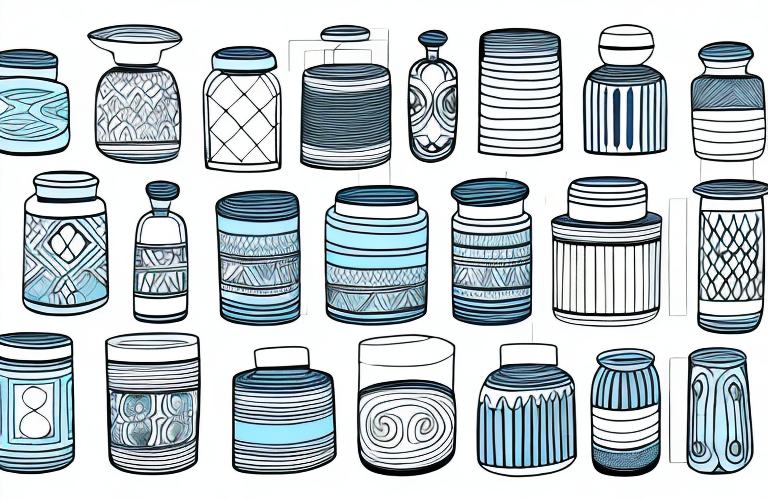
There are many different types of clay storage containers available in the market, each with its own unique features and benefits. Some of the most popular types of clay storage containers include Matka pots, Tagines, and Unglazed pots.
Matka pots are a traditional type of earthenware pot that is commonly used in India. They are ideal for storing water and dairy products like yogurt, and are known for their ability to keep the contents cool even in hot weather.
Tagines are a North African cooking pot that is made from clay and has a distinctive conical shape. They are ideal for slow-cooking stews and other one-pot dishes, and are known for their ability to retain moisture and flavor.
Unglazed pots are a popular choice for bread baking and other types of cooking. They are made from unglazed clay and are known for their ability to absorb moisture, which helps to create a crispy crust on bread and other baked goods.
Health Benefits Associated with Using Clay Storage Containers for Cooking and Food Preservation.
Using clay storage containers for cooking and food preservation can have health benefits, thanks to the natural properties of the clay. For example, clay has the ability to retain moisture, which can help to preserve the texture and flavor of food without the need for added fats or oils.
Additionally, because clay is a natural and non-toxic material, it does not release harmful chemicals or toxins into your food. This makes it a safer option for people who are concerned about the health risks associated with other types of storage containers.
A Beginner’s Guide to Using Clay Pots for Cooking and Storing Food in Your Home.
If you’re new to using clay pots for cooking and food storage, there are a few things to keep in mind. First, it’s important to season your clay pot before use, which involves soaking it in water for several hours or overnight. This helps to prevent cracking and ensures that the pot is ready for use.
When cooking with a clay pot, it’s important to keep the heat low and to avoid sudden temperature changes, which can cause the pot to crack. Additionally, it’s important to avoid using metal utensils, which can scratch the surface of the clay and damage it.
Conclusion: Why You Should Consider Using Clay Storage Containers in Your Home
Clay storage containers offer a natural, eco-friendly, and affordable solution for food preservation and cooking. Their unique properties make them an ideal choice for people who are concerned about the health and environmental risks associated with other types of storage containers.
Whether you’re looking for a way to keep your food fresh for longer periods of time, reduce your food waste, or simply want to add a touch of rustic charm to your kitchen, clay storage containers are a versatile option that can meet your needs. So why not give them a try and see what benefits they can bring to your home?