Microwaving food is a time-saving method that most people rely on today. However, not all dishes are safe for use in the microwave, especially those made of ceramic material. In this article, we will delve into the different aspects surrounding the use of ceramic bowls in the microwave. We will look at the advantages and disadvantages of using them, factors to consider before microwaving, tests to check for microwave safety, and much more.
Understanding Ceramic Materials
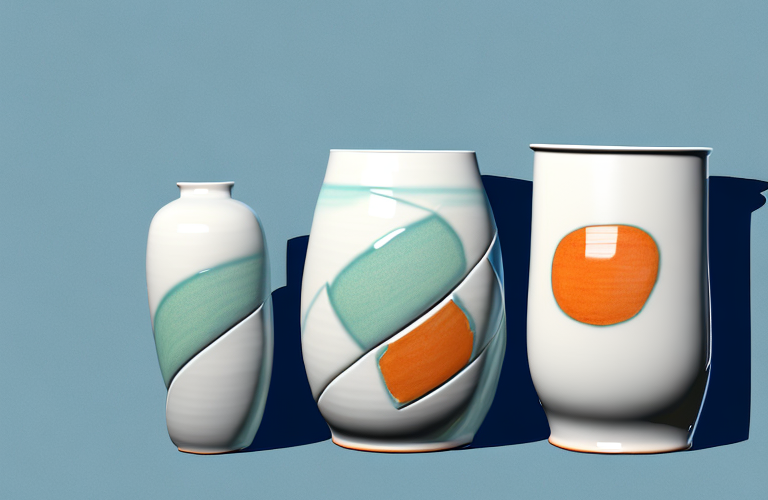
Ceramic refers to any object made of natural clay and hardened through firing. There are different types of ceramics, including earthenware, stoneware, and porcelain. The primary difference between them lies in the amount of heat and firing duration needed to harden and seal the clay. In general, ceramics that require high firing temperatures are more durable and less porous than those that require low firing temperatures.
Another important factor to consider when working with ceramic materials is the glaze. Glaze is a coating applied to the surface of the ceramic object before firing. It not only adds aesthetic value but also provides a protective layer that makes the object more resistant to water and stains. There are different types of glazes, including glossy, matte, and textured, each with its unique properties and effects on the final product. Understanding the properties of different glazes and how they interact with the clay body is crucial in achieving the desired outcome.
Advantages and Disadvantages of Using Ceramic Bowls
Ceramic bowls are a popular choice when it comes to serving food, and for a good reason. They are elegant, versatile, and have excellent heat retention properties. In addition, they are scratch-resistant and do not absorb odors. However, ceramic bowls also have some drawbacks, such as being fragile and prone to cracking, which may render them unsafe for use in the microwave.
Another disadvantage of ceramic bowls is that they can be quite heavy, which may make them difficult to handle, especially for children or elderly individuals. Additionally, some ceramic bowls may contain lead or other harmful chemicals, which can leach into the food and cause health problems. It is important to check the manufacturer’s label and ensure that the ceramic bowl is food-safe before using it to serve or cook food.
How Microwaves Work
Microwaves use high-frequency electromagnetic waves to heat food. Microwave energy causes water, fat, and sugar molecules in the food to vibrate rapidly, producing heat that cooks the food. Unlike traditional convection ovens that heat food from the outside in, microwaves cook food from the inside out. This makes it crucial to use microwave-safe dishes to prevent damage or accidents.
One of the benefits of using a microwave is that it can cook food much faster than a traditional oven. This is because microwaves can penetrate the food and cook it evenly in a shorter amount of time. However, it’s important to note that some foods may not cook as well in a microwave, such as foods that require browning or crisping.
Another important factor to consider when using a microwave is the potential loss of nutrients in the food. While microwaving can be a convenient and quick way to cook food, it can also lead to a loss of vitamins and minerals. To minimize this loss, it’s recommended to use minimal amounts of water when cooking vegetables and to avoid overcooking food in the microwave.
Can All Ceramic Bowls Be Used in the Microwave?
Not all ceramic bowls are safe to use in the microwave. Some types of ceramics are more porous, making them more likely to absorb moisture and crack when exposed to sudden temperature changes. Such ceramics include earthenware, terra cotta, and some types of stoneware. On the other hand, porcelain and some types of stoneware that are fired at high temperatures and have low porosity are more suitable for use in the microwave.
It is important to note that even if a ceramic bowl is labeled as microwave-safe, it is still recommended to use caution when heating food in it. Always use oven mitts or a towel to handle the bowl, as it can become very hot. Additionally, avoid heating foods that are high in sugar or fat for extended periods of time, as they can cause the bowl to overheat and potentially crack.
Factors to Consider Before Using Ceramic Bowls in the Microwave
There are several things you should bear in mind before microwaving food in a ceramic bowl. First, consider the bowl’s age, condition, and quality. Old, chipped, or low-quality ceramic bowls are more likely to crack, shatter, or emit harmful substances when exposed to the heat of the microwave. Secondly, check the manufacturer’s instructions or mark for microwave compatibility. Lastly, consider the temperature of the food you want to microwave, hot foods, especially those with a high-fat content, can cause the ceramic bowl to crack or shatter.
Another factor to consider is the size of the ceramic bowl. Large bowls may take longer to heat up, which can cause uneven heating and potentially lead to cracking or shattering. It’s best to use smaller bowls for microwaving food.
Additionally, it’s important to avoid using ceramic bowls with metallic accents or decorations in the microwave. The metal can cause sparks and potentially damage the microwave or start a fire. Stick to plain, unadorned ceramic bowls for microwaving food.
Tips for Using Ceramic Bowls in the Microwave Safely
To use a ceramic bowl safely in the microwave, follow these tips. First, avoid microwaving empty ceramic bowls as they can overheat and even crack. Secondly, cover the bowl with a microwave-safe lid or plastic wrap to prevent food splatters and ensure even heating. Thirdly, allow the bowl to cool before removing it from the microwave to prevent burns from the hot steam. Lastly, avoid exposing the ceramic bowl to sudden temperature changes, such as putting it in the freezer right after microwaving it.
It is also important to note that not all ceramic bowls are microwave-safe. Some ceramic glazes may contain lead or other harmful materials that can leach into your food when heated in the microwave. To ensure that your ceramic bowl is safe for use in the microwave, look for bowls that are labeled as microwave-safe or check with the manufacturer before using it in the microwave.
What Happens If You Put a Non-Microwave Safe Bowl in the Microwave?
Putting a non-microwave safe ceramic bowl in the microwave can result in dangerous consequences. The microwave energy can cause the bowl to heat up quickly, leading to cracks, shattering, or even catching fire. In addition, some ceramics contain lead, cadmium, or other toxic materials that can leach into the food when exposed to high heat, creating health hazards.
It is important to note that not only ceramics, but also certain plastics, metals, and even paper products may not be safe to use in the microwave. For example, plastic containers that are not labeled as microwave safe can melt or release harmful chemicals into the food when heated. Similarly, metal objects can cause sparks and fires in the microwave, while paper products may ignite if they get too hot.
To avoid these risks, it is recommended to use only microwave-safe containers and utensils when heating or cooking food in the microwave. These products are specifically designed to withstand the high heat and energy of the microwave, and are labeled as such. If you are unsure whether a particular item is safe to use in the microwave, it is best to err on the side of caution and use an alternative method of heating or cooking.
How to Test If a Ceramic Bowl Is Microwave Safe
To test if a ceramic bowl is microwave-safe, fill a cup with water and place it inside the bowl. Microwave the bowl and cup for thirty seconds on high. If the bowl remains cool and the water gets hot, it is microwave-safe. If the dish is hot but the water is still cool, it is not microwave-safe. In addition, look for a “microwave-safe” mark on the bottom or packaging of the bowl.
It is important to note that even if a ceramic bowl is labeled as microwave-safe, it is still recommended to use caution when heating food in it. Avoid heating foods that are high in sugar or fat for extended periods of time, as they can cause the bowl to overheat and potentially crack or break. It is also a good idea to use oven mitts or a towel to handle the bowl after microwaving, as it may still be hot to the touch.
Alternatives to Using Ceramic Bowls in the Microwave
If you don’t have a microwave-safe ceramic bowl, consider using other materials such as glass, silicone, or plastic. These materials are less likely to crack or emit harmful fumes in the microwave. However, be sure to look for microwave-safe marks before using them.
It’s important to note that not all plastic containers are safe for use in the microwave. Avoid using containers that are cracked, warped, or have any signs of damage. Additionally, avoid using containers that are not labeled as microwave-safe. When in doubt, it’s best to transfer your food to a microwave-safe dish before heating it up.
Maintaining and Cleaning Your Ceramic Bowls After Use in the Microwave
After using your ceramic bowl in the microwave, allow it to cool down before washing it. You can clean it with warm soapy water and a soft sponge or place it in the dishwasher if it is dishwasher-safe. Avoid using abrasive cleaners or scouring pads on the bowl’s surface as they can scratch and damage it. Finally, store the bowl in a dry place away from heat and direct sunlight to prevent cracking.
Understanding Different Types of Ceramics and Their Suitability for Microwave Use
Different types of ceramics have varying degrees of suitability for microwave use. High-quality porcelain, bone china, and some types of stoneware are safe for use in the microwave. However, earthenware, terra cotta, and low-quality stoneware are not suitable for use in the microwave as they can crack, shatter, or emit harmful substances when exposed to heat. Always check the manufacturer’s instructions and warnings before using any type of ceramic bowl in the microwave.
Conclusion
In conclusion, ceramic bowls can go in the microwave, but not all of them are safe for use. Always check the bowl’s age, quality, and compatibility with microwaves before using it. In addition, follow the tips mentioned above to use ceramic bowls in the microwave safely. Alternatively, consider using other microwave-safe materials such as glass or plastic. Finally, maintaining and cleaning your ceramic bowls is crucial to prolong their lifespan and avoid damage.