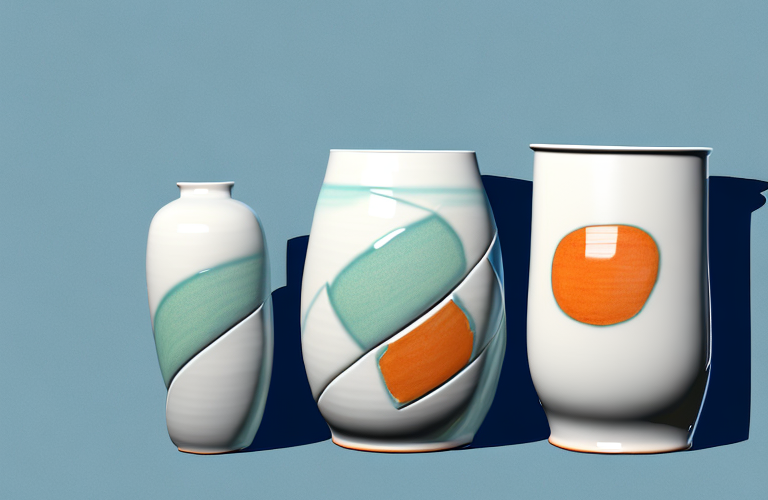
Pottery and ceramics are two terms that are often used interchangeably, but in reality, they are distinct forms of art and craft. In this article, we will explore the differences between pottery and ceramics, including their origins, production methods, properties, cultural significance, artistic value, everyday uses, and more. By the end of this article, you will have a deeper understanding of these two fascinating and ancient art forms and be able to choose the right one for your next project.
The Origins of Pottery and Ceramics
Pottery and ceramics have been around for thousands of years, dating back to prehistoric times when humans first discovered that clay could be molded and fired to create useful objects. Pottery refers to objects made from clay and hardened by heat, while ceramics refer to a broader category of objects made from other materials, such as porcelain or glass, but also including clay objects. Ceramic artifacts have been found in dig sites from ancient civilizations such as the Greeks, Romans, and Chinese, indicating that their production was widespread and valued throughout history.
One of the earliest known examples of pottery comes from Japan, where Jomon pottery was created around 14,000 years ago. This pottery was made by coiling long ropes of clay together to form vessels, which were then decorated with intricate patterns using tools made from shells and bones. The Jomon people used their pottery for cooking, storage, and even as grave goods, demonstrating the importance of these objects in their daily lives and cultural practices.
How Pottery and Ceramics Are Made
Pottery and ceramics are made using a variety of techniques and materials. The primary material used in pottery and ceramics is clay, which is harvested from the earth and refined before being shaped into an object. The shaping process can involve using a pottery wheel, hand-building techniques, or a combination of the two. Once the object is formed, it is fired in a kiln, which hardens the clay and makes it durable.
Ceramics, on the other hand, can be made from a variety of materials, such as porcelain, glass, or metal. The production process for ceramics is more complex than that for pottery, involving multiple firing and glazing steps. Porcelain, for example, is made by mixing kaolin clay with other substances and firing it at high temperatures to create a translucent and durable material.
In addition to clay, other materials can be added to pottery to create unique textures and colors. For example, sand or crushed rocks can be added to the clay to create a rough, gritty texture. Natural pigments, such as iron oxide or copper carbonate, can also be added to the clay to create different colors.
Another important aspect of pottery and ceramics is the decoration. This can be done through painting, carving, or adding additional materials, such as beads or shells. The decoration can be purely aesthetic or can serve a functional purpose, such as adding grip to a handle or creating a spout for pouring.
The Properties of Pottery and Ceramics
One of the primary differences between pottery and ceramics is their physical and chemical properties. Pottery is typically dense, opaque, and porous, while ceramics can be translucent, opaque, or transparent. Pottery is also more likely to be suitable for kitchenware or decorative objects, while ceramics may be used in a broader range of applications, such as electronic components, building materials, and industrial products.
Another important property of pottery is its ability to retain heat, making it ideal for cooking and serving hot food. This is due to its porous nature, which allows it to absorb and distribute heat evenly. Ceramics, on the other hand, are known for their high resistance to heat and can withstand extreme temperatures, making them suitable for use in kilns and furnaces.
Additionally, the production process for pottery and ceramics differs significantly. Pottery is typically made by hand using a potter’s wheel or other shaping techniques, while ceramics are often mass-produced using molds and industrial machinery. This difference in production methods can affect the quality and durability of the final product, as well as its cost and availability.
The Cultural Significance of Pottery and Ceramics
Pottery and ceramics have played significant roles in the cultural histories of many civilizations. They have been used for religious ceremonies, as symbols of social status and wealth, and as utilitarian objects for everyday life. Some notable examples of cultural pottery and ceramic traditions include the Ming Dynasty in China, the ancient Greeks, and the Native American cultures of the Southwest.
In addition to their cultural significance, pottery and ceramics have also played important roles in the development of technology and trade. The production of pottery and ceramics required specialized knowledge and skills, such as the ability to identify and extract clay deposits, and the knowledge of firing techniques. These skills were often passed down through generations and were closely guarded secrets. The production of pottery and ceramics also led to the development of trade networks, as these objects were often traded over long distances, contributing to the exchange of ideas and technologies between different cultures.
The Artistic Value of Pottery and Ceramics
Pottery and ceramics are also valued for their artistic merit. Potters and ceramicists use a range of techniques, from sculpting and hand-building to decorating and glazing, to create unique and beautiful objects. Some famous ceramic artists include Pablo Picasso, Bernard Leach, and Lucie Rie. Ceramic arts are also incorporated into contemporary fine art practices, such as multimedia installations and performance art.
Furthermore, pottery and ceramics have a rich cultural history. Many ancient civilizations, such as the Greeks, Romans, and Chinese, used pottery and ceramics for both functional and decorative purposes. Today, pottery and ceramics continue to be an important part of cultural traditions and practices around the world. For example, in Japan, the art of tea ceremony involves the use of handmade ceramic tea bowls, which are highly valued for their beauty and craftsmanship.
The Uses of Pottery and Ceramics in Everyday Life
Pottery and ceramics are still used today for a variety of practical and decorative purposes. Pottery can be used for dishes, vases, and planters, while ceramic tiles and mosaics are commonly used in architecture and interior design. Ceramic materials are also used in electronics, medical devices, and automotive parts, among other applications. In everyday life, pottery and ceramics can add beauty and personality to our homes and workplaces.
Understanding the Differences Between Earthenware, Stoneware, and Porcelain
There are different types of pottery and ceramics that you may encounter, with differing properties and uses. Earthenware is a common type of pottery that is porous and relatively fragile, often used for decorative objects or simple household items. Stoneware, on the other hand, is typically denser and more durable, and is often used for dishes and kitchenware. Porcelain is the most refined type of ceramic and has been used for centuries for fine china and decorative objects.
Historical Examples of Pottery and Ceramics from Around the World
Throughout history, pottery and ceramics have been produced by different cultures around the world, showcasing unique styles and techniques. In Greece, the black-figure and red-figure pottery of the Classical period is highly valued for its intricate designs and storytelling. The Tang and Song dynasties in China produced beautiful celadon and blue-and-white porcelain objects. Native American pueblo pottery features distinctive geometric patterns and shapes. These historical pieces are highly prized by collectors and museums alike.
Contemporary Trends in the World of Pottery and Ceramics
Today, the world of pottery and ceramics continues to evolve, with new artists and techniques emerging all the time. Some contemporary trends in the field include using digital 3D printing to create ceramic objects, experimenting with new glazes and firing techniques, and incorporating social and political messages into ceramic art. Social media platforms like Instagram have also allowed ceramic artists to reach wider audiences and connect with others in the field.
The Future of Pottery and Ceramics: Sustainability, Innovation, and Technology
The future of pottery and ceramics will likely involve advancements in sustainability and technology. More and more artists are using sustainable materials and techniques, such as using local clay and glazes, and reducing waste during production. New technologies, such as 3D printing and robotics, may also play a role in shaping the field going forward.
How to Choose Between Pottery and Ceramics for Your Next Project
Deciding between pottery and ceramics for your next project will depend on several factors, such as your intended use, budget, and aesthetic preferences. Pottery may be a good choice if you want to create objects that have a more rustic and handmade feel or are intending to use them for decorative purposes. Ceramics may be a better choice for functional objects or fine art pieces. Consider your purposes and seek advice from professionals to help you make your decision.
Common Misconceptions About Pottery vs. Ceramics
There are several common misconceptions about pottery and ceramics, such as assuming that they are the same thing or thinking that they are outdated art forms. In reality, pottery and ceramics are both vibrant and evolving fields that continue to capture the imagination of artists and audiences alike. By recognizing these misconceptions, we can better appreciate the artistry and skill involved in creating these objects.
Finding Inspiration for Your Own Pottery or Ceramic Creations
If you are interested in creating your own pottery or ceramic pieces, there are many sources of inspiration available. You may want to study historical examples, experiment with new techniques and materials, or take classes or workshops to learn from experts in the field. Social media platforms and online forums can also provide ideas and feedback from other artists.
The Role of Pottery and Ceramics in Art Therapy
Pottery and ceramics can also play a valuable role in art therapy, which uses art-making as a means of self-expression and healing. The tactile nature of pottery and ceramics can be therapeutic for people dealing with stress, trauma, or emotional difficulties, allowing them to create something tangible and symbolic of their experiences. Art therapy programs often incorporate pottery and ceramics sessions to help participants explore their thoughts and feelings.
In conclusion, pottery and ceramics are two distinct but related art forms that have captivated humans for thousands of years. Whether you are interested in creating your own pieces, collecting historical examples, or simply appreciating the beauty of these objects, this article has provided a comprehensive overview of the origins, production methods, properties, cultural significance, artistic value, and future trends in the world of pottery and ceramics.