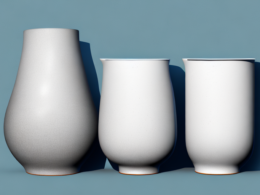
Pottery is a highly versatile and popular form of art and expression. Whether you’re a seasoned professional or just starting out, the finish of your pottery can greatly affect the final product. Glazing is a popular choice, but do you have to glaze pottery? In this guide, we’ll explore the importance of glaze in pottery making, the different types of glazes and their uses, how to prepare your pottery for glazing, step-by-step instructions on how to apply glaze, common mistakes to avoid, and much more. So, let’s dive in and discover everything you need to know about glazing pottery.
Why Glaze is Important in Pottery Making
Glaze is a coating that is applied to a ceramic object before it is fired in a kiln. It is an essential part of pottery making, not only because it provides a decorative finish but also because it enhances the functionality of the object. Glaze seals the surface of the pottery, making it more durable, moisture-resistant and easier to clean. It also helps to prevent the absorption of food, liquid, or other substances in glazed pottery items, thus making them more practical and hygienic for daily use. Glaze also enhances the beauty of your ceramic work, adding depth and texture to your pieces.
Another important aspect of glaze is that it can alter the color of the pottery. Glazes can be formulated to produce a wide range of colors, from earthy browns and greens to bright blues and reds. This allows potters to create unique and personalized pieces that reflect their artistic vision. Additionally, glaze can be used to create interesting surface effects, such as crackling or pooling, that add visual interest to the pottery.
It is also worth noting that glaze can be used to protect the pottery from the effects of the environment. For example, some glazes are formulated to resist UV radiation, which can cause fading and discoloration over time. Others are designed to withstand extreme temperatures, making them suitable for use in outdoor settings. By choosing the right glaze for their pottery, potters can ensure that their creations will last for years to come.
The Different Types of Glazes and Their Uses
There are several types of glazes available that can be used for different effects on your pottery, including matte, glossy or textured finishes. Matte glazes have a soft, flat finish and are used for a smooth or uniform effect. Glossy glazes have a shiny or reflective finish and are used to create a bold and striking effect. Textured glazes have a rough or tactile finish and are often used for decorative purposes. There are also specialized glazes that change color, crackle or react in unique ways when fired, adding even more creativity to your pottery works.
It is important to note that different types of glazes require different application techniques. For example, matte glazes should be applied thinly and evenly to avoid a streaky or patchy finish, while textured glazes may require multiple layers to achieve the desired effect. Additionally, some glazes may require a specific firing temperature or duration to achieve their full potential. It is important to carefully read and follow the instructions provided with each type of glaze to ensure the best results for your pottery.
Understanding the Chemical Processes Involved in Glazing
Glazes are a combination of different minerals, chemicals, and pigments that are mixed together to create a unique color and finish. When the glaze is applied to the pottery surface, it is then fired in a kiln. During this process, the minerals and chemicals in the glaze melt and react with the ceramic surface of the pottery, resulting in a permanent bond. The firing temperature, length and atmosphere of the kiln all play a role in determining the final color, texture, and finish of the glaze on your pottery. Understanding these chemical processes is important to achieve the desired results with your glaze application.
How to Choose the Right Glaze for Your Project
Choosing the right glaze for your project is an important step in the pottery-making process. Consider the intended function and aesthetic of your piece before making a decision. If the object is meant for everyday use, choose a glaze that is food safe, easy to clean, and long-lasting. If it is for decorative purposes, you may want to consider a more textured, crackled, or metallic finish. Experimenting with different glazes can also help you achieve unique and creative results, so don’t be afraid to try out new combinations.
Tips for Preparing Your Pottery for Glazing
Preparing your pottery for glazing is crucial in achieving successful results. Before applying glaze, make sure the pottery is completely dry and free of any dust or debris. You can also use sandpaper or a sponge to smooth out any rough surfaces or imperfections on the object. To avoid glaze sticking to the shelf or getting damaged in the firing process, apply a layer of kiln wash or place the object on a kiln shelf that has been coated with it. Additionally, if you plan on decorating your pottery with any designs or patterns, you can use a wax resist or tape to protect those areas from the glaze.
Step-by-Step Guide to Applying Glaze to Your Pottery
Applying glaze to your pottery can be a straightforward process with a few easy steps. First, stir the glaze well to ensure that all of the components are evenly distributed. Then, apply a thin, even layer of glaze to the surface of the pottery, using a brush or spray gun. Avoid getting too much glaze in one spot, as this can cause the glaze to run or drip during firing. Leave the glaze to dry completely before applying a second coat if desired. After the second coat has dried, your pottery is ready to be fired in the kiln according to the instructions provided by the manufacturer of the glaze.
Common Mistakes to Avoid When Glazing Pottery
While glazing can be a fun and rewarding experience, there are some common mistakes that can adversely affect your pottery’s finished result. For example, applying too much or too little glaze can lead to uneven, patchy results. Not letting the glaze dry completely before firing can cause it to bubble, crack or run. Additionally, not using the correct firing temperature or length of time for the specific type of glaze you are using can also lead to unexpected results. Always follow the instructions provided by the manufacturer and take time to experiment with different glazes and firing techniques to achieve your desired outcomes.
How to Achieve Unique and Creative Finishes with Glaze
Glaze can be a great tool for achieving unique and creative finishes on your pottery. Try experimenting with layering different glazes or using a variety of firing techniques to create depth, texture, and contrast in your pieces. You can also use masking techniques, such as tape or wax, to create intricate designs or patterns on the surface of the pottery. The possibilities are endless, so don’t be afraid to get creative and have fun with your glaze application!
Alternative Finishing Techniques for Your Pottery
While glaze is a popular and versatile method for finishing pottery, there are also alternative techniques that you can try. For example, you can use underglazes or slip to add color and design to your pottery. These are applied before the glaze and then fired to create a final finish. You can also try decorating your pottery with sgraffito, carving, or engraving techniques to add texture and personality to your work. No matter which finishing technique you choose, it’s important to experiment and find the method that works best for you and your pottery style.
The Importance of Proper Firing in the Glazing Process
Firing plays a crucial role in the glazing process, as it affects the color, texture, and finish of the glaze on your pottery. It’s important to follow the firing instructions provided by the manufacturer of the glaze and use the appropriate firing temperature and time for your specific type of pottery. Firing also requires careful monitoring to ensure that the kiln reaches the correct temperature and that there are no issues that could damage your pottery during the process. A good firing technique will result in a final product that is safe, functional, and visually appealing.
Troubleshooting Common Problems with Glazed Pottery
If you run into issues with your glazed pottery, don’t worry – many common problems can be resolved with some simple troubleshooting steps. For example, if your glaze has bubbled or cracked during firing, it may be due to moisture or an uneven application of glaze. Reapplying glaze or adjusting the firing process may help to resolve these issues. If your glaze has run or dripped during firing, this could be due to applying too much glaze or not letting it dry completely before firing. Make sure to experiment with different techniques and processes to find the best solution for your specific pottery piece.
Caring for and Maintaining Your Finished Ceramic Creations
Proper care and maintenance of your finished ceramic creations are essential to ensure their longevity and ongoing beauty. If your pottery is food-safe, make sure to wash it by hand in warm, soapy water and avoid using abrasive scrubbers or metal utensils that can damage the delicate glaze surface. If your pottery is decorative, make sure to keep it away from direct sunlight or heat sources, which can cause the glaze to fade or crack over time. Additionally, it’s important to avoid dropping or bumping your pottery, which can cause it to crack or break. With proper care, your ceramic creations can last for years to come.
Exploring the Aesthetics of Different Glaze Colors and Finishes
Finally, exploring the aesthetics of different glaze colors and finishes can be a fun and educational experience as you create and experiment with new pottery designs. Glaze color and finish can greatly affect the final appearance of your pottery piece, so it’s important to explore all of your options and find the ones that best suit your unique style and preferences. From bright and bold hues to subtle and natural finishes, there is no limit to the creative possibilities when it comes to glazing your pottery.
In conclusion, glazing is an essential part of pottery making that provides both functional and aesthetic benefits to your ceramic creations. By understanding the various types of glazes, chemical processes involved in glazing, choosing the right glaze for your project, preparing your pottery for glazing, and following proper firing techniques, you can achieve beautiful and unique finishes on your pottery. Whether you’re a beginner or an experienced potter, it’s important to experiment, have fun, and never stop learning as you explore the world of glazing your ceramic creations.