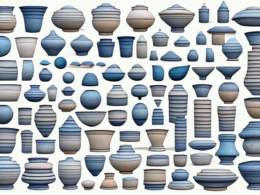


Pottery glazing is a process that involves applying a layer of glaze to a ceramic piece before it is fired, resulting in a beautiful and durable finish. Understanding the basics of pottery glazing is important if you want to create pieces that are not only practical, but also visually appealing.
Understanding the Basics of Pottery Glazing
Before diving into the different techniques and methods of pottery glazing, it’s important to understand the basics. Pottery glaze is a type of coating made of glass that is applied to the surface of a ceramic piece. It is then fired in a kiln, which causes the glaze to melt and bond with the surface of the clay. The result is a durable and impermeable finish that enhances the visual appeal of the piece.
There are many different types of pottery glazes, each with its own unique properties and characteristics. Some glazes are designed to create a smooth, glossy finish, while others are meant to produce a matte or textured surface. Some glazes are also formulated to produce specific colors or effects, such as crackling or iridescence.
When applying glaze to a piece of pottery, it’s important to consider factors such as the thickness of the glaze, the application method, and the firing temperature. These variables can all affect the final appearance and durability of the glaze. Additionally, it’s important to ensure that the glaze is applied evenly and without any bubbles or defects, as these can detract from the overall quality of the finished piece.
The Importance of Choosing the Right Pottery Glaze
Choosing the right pottery glaze depends on several factors, including the type of clay you are using, the desired firing temperature, and the desired finish. There are several types of glazes available, including gloss, satin, matte, and crystalline. Each type of glaze reacts differently to firing and can produce unique effects, so it’s important to choose a glaze that will complement your design and desired outcome.
Another important factor to consider when choosing a pottery glaze is the intended use of the finished piece. If the piece will be used for food or drink, it’s important to choose a glaze that is food-safe and non-toxic. Additionally, if the piece will be used for decorative purposes only, you may want to consider a glaze that has a higher level of durability to ensure it lasts for years to come.
Exploring Different Types of Pottery Glazes
There are several types of pottery glazes available, each with its own unique properties and effects. Matte glazes, for example, result in a soft, muted finish with no shine, while glossy glazes produce a shiny and reflective surface. Textured glazes can produce a variety of interesting effects, including crackling and crawling. Crystalline glazes, on the other hand, form beautiful crystal formations in the glaze layer during the firing process.
In addition to these types of glazes, there are also specialty glazes that can create unique effects. For example, iridescent glazes can produce a rainbow-like shimmer, while luster glazes can create a metallic sheen. Some glazes are also designed to react with other glazes or materials, resulting in unexpected and interesting effects. It’s important to experiment with different types of glazes to discover which ones work best for your desired outcome.
How to Apply Pottery Glaze: Step-by-Step Guide
Applying pottery glaze requires a certain level of skill and knowledge, but with the right approach, it can be a satisfying and rewarding process. The first step is to clean and dry the ceramic piece thoroughly. Then, using a brush or spray, apply the glaze to the surface of the piece in thin and even layers. It’s important to avoid applying too much glaze, as this can cause bubbling and other issues during firing. Allow the glaze to dry completely before firing.
Once the glaze has dried, it’s time to fire the piece in a kiln. The firing process can vary depending on the type of glaze used and the type of clay the piece is made of. It’s important to follow the instructions for the specific glaze and clay being used to ensure the best results. During firing, the glaze will melt and fuse with the clay, creating a smooth and glossy surface.
After firing, the piece should be allowed to cool completely before handling. It’s important to inspect the piece for any defects or imperfections, such as cracks or bubbles in the glaze. If any issues are found, the piece may need to be refired or touched up with additional glaze. With practice and patience, applying pottery glaze can become a rewarding and enjoyable part of the pottery-making process.
Tips and Tricks for Achieving a Smooth and Even Coat of Glaze
Applying a smooth and even coat of glaze can be challenging, but there are several tips and tricks that can help. One key tip is to use a fan brush, which allows for more precise application and helps to avoid streaking. It’s also important to keep your workspace clean and organized, as even small particles of dust can impact the final result. Practice and experimentation are important when it comes to achieving the desired look and finish.
Another helpful tip is to thin out the glaze with water or a glaze medium before applying it. This can help to create a smoother and more even application, as well as prevent the glaze from cracking or flaking off. It’s important to follow the manufacturer’s instructions when thinning out the glaze, as different types of glazes may require different amounts of water or medium. Additionally, make sure to apply the glaze in thin layers, allowing each layer to dry completely before applying the next one. This will help to prevent the glaze from becoming too thick or uneven.
Pottery Glazing Techniques for Creating Unique Designs and Patterns
Pottery glazing can be used to create unique designs and patterns on a ceramic piece. Techniques like layering, marbling, and trailing can be used to create intricate and visually appealing designs. Each technique requires a different method and approach, so it’s important to experiment and practice to discover what works best for your design.
Layering is a popular technique used in pottery glazing, where multiple layers of glaze are applied to create depth and texture. This technique can be used to create a variety of effects, from a simple gradient to a complex design with multiple colors and patterns.
Marbling is another technique that involves swirling different colors of glaze together to create a unique pattern. This technique can be used to create a variety of effects, from a subtle, organic pattern to a bold, graphic design.
Enhancing Your Pottery Pieces with Layering Techniques
Layering is a popular technique for pottery glazing, where multiple layers of glaze are applied to achieve a complex and layered effect. Layering can be used to create various effects, including color blending, texture, and depth. To achieve the best result, it’s important to carefully consider the color and opacity of each layer and how they will interact with one another during firing.
One important factor to consider when layering glazes is the thickness of each layer. Thicker layers will result in a more pronounced effect, while thinner layers will create a more subtle effect. It’s also important to ensure that each layer is completely dry before applying the next layer, to prevent the glazes from mixing together and creating unintended colors or textures.
Another technique that can be used in conjunction with layering is sgraffito, which involves scratching through the top layer of glaze to reveal the layer underneath. This can create intricate designs and patterns, and can be especially effective when using contrasting colors or textures. However, it’s important to be careful when using this technique, as scratching too deeply can damage the underlying layer of glaze and ruin the piece.
Achieving Different Textures and Finishes with Pottery Glazing
Pottery glazes can produce a wide range of textures and finishes, from smooth and glossy to rough and textured. Achieving the desired texture and finish requires careful selection of the glaze type and application technique. Textured glazes are commonly applied using sponges, brushes, or sprays, and may require multiple layers to achieve the desired effect.
How to Troubleshoot Common Pottery Glazing Problems
Despite careful preparation and execution, pottery glazing can sometimes result in issues like blistering, cracking, or uneven application. Identifying and resolving these issues requires an understanding of the firing process and the properties of the glaze being used. Common solutions include adjusting the firing temperature or schedule, adjusting the thickness of the glaze, or using a different glaze entirely.
Maintaining Your Pottery Glaze: Dos and Don’ts
Proper care and maintenance of pottery glaze can help to ensure its longevity and durability. It’s important to avoid exposing glazed pieces to extreme temperatures, as this can cause cracking or other damage. Avoid using harsh chemicals or abrasives when cleaning glazed ceramics, as this can damage the finish. Instead, use a mild soap and warm water, and dry the piece thoroughly immediately after cleaning.
The Pros and Cons of Different Firing Techniques for Glazed Pottery
There are several different firing techniques available for glaze pottery, each with its own benefits and drawbacks. Electric kilns are popular for their ease of use and consistency, while gas-fired kilns offer greater flexibility and control over the firing process. Wood-fired kilns can produce unique and interesting effects, but require significant skill and experience to operate.
Experimenting with Color: Mixing Your Own Custom Pottery Glaze
Creating custom pottery glazes can be a fun and rewarding process, and allows for greater creative control over the final result. To create custom glazes, potters often mix base glazes with different coloring agents to achieve the desired color and intensity. It’s important to carefully measure and mix the ingredients to ensure consistency and repeatability.
How to Incorporate Other Materials into Your Pottery Glazing Process
Some potters like to incorporate other materials into their pottery glazing process, including metal oxides, glass frit, or even coffee grounds. These materials can produce unique and interesting effects, but require careful experimentation and understanding of their properties and how they will interact with the glaze materials and firing process.
Advanced Techniques for Advanced Potters: Pushing the Boundaries of Traditional Pottery Glazing
Advanced potters may wish to push the boundaries of traditional pottery glazing by experimenting with new techniques and materials. This can include creating complex layered glazes, exploring alternative firing methods, or incorporating other mediums like metal or wood into their ceramic pieces. These techniques require significant skill, experience, and experimentation, but can result in truly unique and stunning works of art.
Overall, exploring pottery glazing techniques requires both technical knowledge and artistic creativity. By understanding the basics of glaze materials, techniques, and firing processes, potters can create pieces that are not only beautiful, but also durable and functional. With practice, experimentation, and a willingness to push the envelope, potters can create truly unique and stunning works of art.