
Clay pottery is a timeless art that has been around for centuries. Many collectors take pride in displaying their antique pottery pieces, but over time, these pieces can become damaged or broken. Fortunately, with the right tools and techniques, repairing damaged clay pottery is a feasible task. In this step-by-step guide, we will explore the importance of pottery repair, understand different types of clay pottery, identify the tools and materials required for pottery repair, and provide a comprehensive breakdown of how to repair clay pottery.
The Importance of Pottery Repair
Pottery has a rich history, and collectors often attach sentimental and monetary value to antique pieces. Repairing damaged or broken pottery is critical to preserving both the artefact’s value and its cultural heritage. Additionally, repairing pottery requires a delicate touch, and doing so can be a rewarding experience for avid collectors and hobbyists alike.
One of the most important aspects of pottery repair is the use of appropriate materials. The materials used in the repair process must be compatible with the original pottery, and they must be able to withstand the test of time. This is particularly important for antique pieces, as the wrong materials can cause further damage and decrease the value of the artefact.
Another benefit of pottery repair is the opportunity to learn about the history and craftsmanship of the piece. Repairing pottery requires a deep understanding of the techniques and materials used by the original artist, and this knowledge can be passed down through generations. By repairing pottery, collectors and hobbyists can gain a deeper appreciation for the art form and the cultural significance of each piece.
Understanding Different Types of Clay Pottery
Before repairing damaged clay pottery, it is essential to understand its composition. The most common types of clay used in pottery are earthenware, stoneware, and porcelain. Earthenware is a soft and porous clay that is easy to shape but not as durable as stoneware or porcelain. Stoneware is a denser and more durable clay commonly used for household items such as bowls and plates. Porcelain is a white and translucent type of clay that is more refined and delicate than other types of clay pottery.
Another type of clay pottery that is gaining popularity is terracotta. Terracotta is a reddish-brown clay that is often used for decorative items such as vases and figurines. It is also commonly used for outdoor planters due to its ability to withstand harsh weather conditions.
It is important to note that the firing process also plays a significant role in the final product of clay pottery. The temperature and duration of firing can affect the color, texture, and durability of the pottery. For example, high firing temperatures can result in a more durable and non-porous product, while low firing temperatures can result in a more porous and fragile product.
Tools and Materials Needed for Pottery Repair
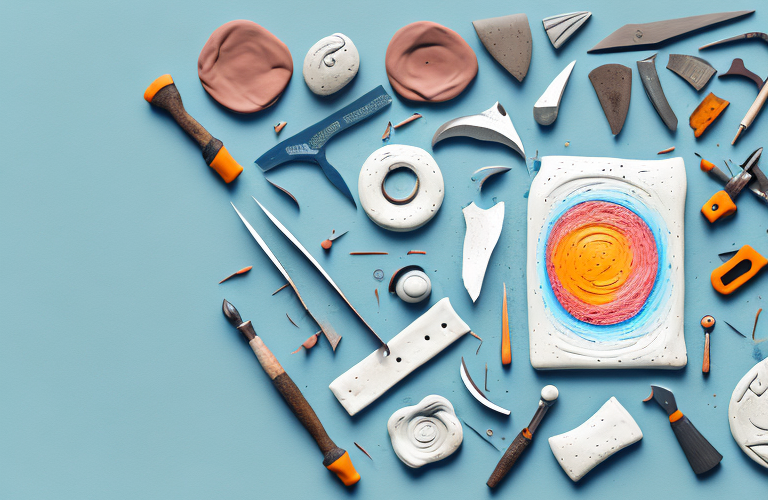
Repairing clay pottery requires a few essential tools and materials. These include a heat gun or hairdryer, alcohol, epoxy, rubber gloves, mineral spirits, a sanding pad, and a soft-bristled brush. When working with epoxy, it is best to use gloves and work in a well-ventilated area. Additionally, ensure that the damaged pottery is clean and free of dust or debris before beginning repairs.
Another important tool to have when repairing pottery is a putty knife or scraper. This will help you remove any excess epoxy or other materials that may have been applied during the repair process. It is also helpful to have a magnifying glass or other tool to help you see small cracks or imperfections in the pottery that may need to be addressed. Remember to take your time and work carefully when repairing pottery, as it can be a delicate process that requires patience and attention to detail.
Preparing the Damaged Pottery for Repair
Before starting to repair clay pottery, you must prepare the broken pieces. First, place the pot in a sturdy position and clean the broken pieces of pottery with a soft-bristle brush and warm water. Allow the pieces to air dry completely. Next, wet and clean the edges of the broken pottery with alcohol. This will help to remove any oils, dirt, or debris that may affect the epoxy’s bonding strength.
It is important to note that if the pottery has any existing glue or adhesive, it must be removed before attempting to repair it. This can be done by gently scraping off the old adhesive with a razor blade or sandpaper. Once the old adhesive has been removed, follow the steps mentioned earlier to prepare the broken pieces for repair.
Step-by-Step Guide to Repairing Clay Pottery
Begin by applying a layer of epoxy onto the broken area of the pottery, and gently press the broken pieces together. It is critical to apply adequate pressure to ensure that the epoxy sets correctly. Hold the pieces together for a few minutes to allow the epoxy to set. Repeat the process for all broken pieces. Allow the epoxy to dry and cure according to the manufacturer’s instructions.
Once the epoxy has fully cured, use a fine-grit sandpaper to smooth out any rough edges or excess epoxy. Take care not to sand too aggressively, as this can damage the pottery. If the pottery has any missing pieces, you can use a clay-like material to fill in the gaps. Allow the clay to dry and harden before sanding it down to match the surrounding area. Finally, you can paint or glaze the repaired pottery to restore its original appearance.
Filling Cracks and Chips in Clay Pottery
After the epoxy has dried and cured, fill in any visible cracks or chips in the pottery. Use a plastic scraper or a putty knife to apply the epoxy, and smooth it out evenly. Allow the epoxy to dry and repeat the process until the surface is level.
It is important to note that the color of the epoxy may not match the color of the pottery exactly. To blend the repair seamlessly, you can mix acrylic paint with the epoxy to match the color of the pottery. Apply the mixture to the repaired area and allow it to dry completely before handling the pottery.
If the crack or chip is too large to be filled with epoxy, you may need to consider a more extensive repair. This could involve using a clay slip to fill in the damaged area and then firing the pottery again. However, this method requires more skill and experience, and it is recommended to seek the assistance of a professional if you are not confident in your abilities.
Restoring the Shape of Damaged Clay Pottery
If the pottery’s shape has been distorted or warped, use a heat gun or hairdryer to carefully heat the pottery’s surface. Gently reshape the pottery while it is still warm, and allow it to cool slowly. This will help to restore the pottery’s original shape.
It is important to note that this method should only be used on pottery that has not been glazed or painted. If the pottery has a glaze or paint, the heat can cause the glaze or paint to crack or peel off. Additionally, if the pottery has any cracks or breaks, it is best to consult a professional restorer to ensure that the pottery is properly repaired.
Smoothing and Sanding the Repaired Areas of Clay Pottery
Once the epoxy has fully cured, sand the repaired areas of the pottery with a sanding pad. Use a fine grit sandpaper to slowly and gently sand down the epoxy until it is level with the surrounding pottery surface. Be careful not to apply too much pressure when sanding, as this can cause damage or further cracking to the pottery.
After sanding, use a damp cloth to wipe away any dust or debris from the surface of the pottery. Then, apply a coat of sealant to the repaired area to protect it from future damage. Allow the sealant to dry completely before handling or using the pottery.
It is important to note that while epoxy can be a strong adhesive for pottery repairs, it may not be suitable for all types of pottery. Some types of pottery may require a different type of adhesive or repair method. If you are unsure about the best way to repair your pottery, consult with a professional or experienced potter for guidance.
Painting and Finishing Touches for Repaired Clay Pottery
After completing the repairs, the clay pottery can be painted or adorned with appropriate finishes. Depending on the type of clay pottery, it may be necessary to apply a sealant or protective coating to ensure the pottery’s longevity. Consult with a professional or research appropriate sealants and finishes before proceeding with this step.
Tips and Tricks for Maintaining Repaired Clay Pottery
Properly maintained pottery can last for years to come. Regularly dusting the repaired pottery with a soft cloth or brush can help to prevent dust buildup and protect the restoration work. Additionally, avoid subjecting the pottery to drastic temperature changes, as this can cause further damage to the repaired areas.
Common Mistakes to Avoid When Repairing Clay Pottery
When repairing clay pottery, several common mistakes can occur. These include using the wrong type of epoxy or glue, not allowing the epoxy to set for a sufficient amount of time, applying too much pressure when sanding down the repaired areas, and not seeking professional advice or assistance when needed. Avoiding these mistakes can help to ensure the best possible outcome for repaired clay pottery.
Top DIY Techniques for Fixing Your Own Clay Pottery
Repairing damaged clay pottery is a DIY skill that can be learned and honed over time. Some popular DIY techniques include using natural filler materials such as sawdust or eggshells to fill in cracks, using a baking soda and water paste to fill in chipped areas, and mixing pottery dust with epoxy to match the colour and texture of the surrounding pottery surface. Experimenting with these techniques can help to find the best approach for repairing individual pottery pieces.
Best Practices for Displaying and Storing Repaired Clay Pottery
Properly displaying and storing repaired clay pottery is key to preserving its value and ensuring its longevity. Avoid displaying repaired pottery in direct sunlight or in areas with fluctuating temperatures. Additionally, store pottery pieces individually or with protective padding and avoid stacking or placing heavy items on top of them.
In conclusion, repairing clay pottery is a delicate task that requires attention to detail and patience. By following this step-by-step guide and taking proper precautions, repairing damaged clay pottery can be an enjoyable and rewarding experience for any collector or hobbyist.