
Porcelain is a delicate and sophisticated material that requires high temperatures to be transformed into the stunning, durable objects that we see in our homes and offices. This is where a porcelain kiln comes in, offering artisans the opportunity to create intricate and beautiful pieces that will last for years to come. In this article, we will explore the many benefits of using a porcelain kiln and the factors that you should consider when choosing one. We will also provide tips on how to operate and maintain your kiln safely, and touch on some creative ways to use your kiln beyond traditional ceramics.
Understanding the Basics of a Porcelain Kiln
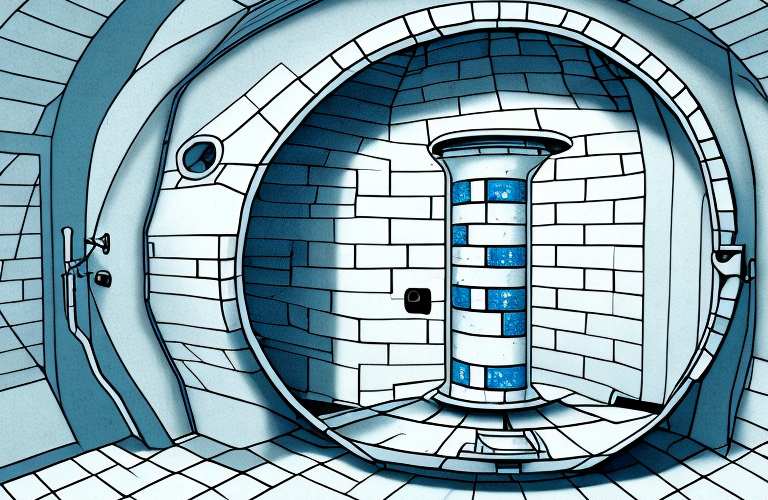
Before diving into the benefits of using a porcelain kiln, it is essential to understand what a kiln is and how it works. A porcelain kiln is an oven-like device that heats materials, such as clay or porcelain, to high temperatures ranging from 1200 – 1400 degrees Celsius. This process is known as firing, and the intense heat causes the materials to react in ways that cannot be achieved at lower temperatures, resulting in a hardened and durable product. Porcelain kilns come in various shapes and sizes, depending on the type of material being fired and the size of the pieces.
It is important to note that firing in a porcelain kiln requires careful monitoring and control of the temperature and atmosphere inside the kiln. This is because different materials and glazes require specific firing conditions to achieve the desired results. Additionally, the firing process can take several hours or even days, depending on the size and thickness of the pieces being fired. Despite the challenges, using a porcelain kiln can result in beautiful and unique pieces of art that are both functional and aesthetically pleasing.
How Does a Porcelain Kiln Work?
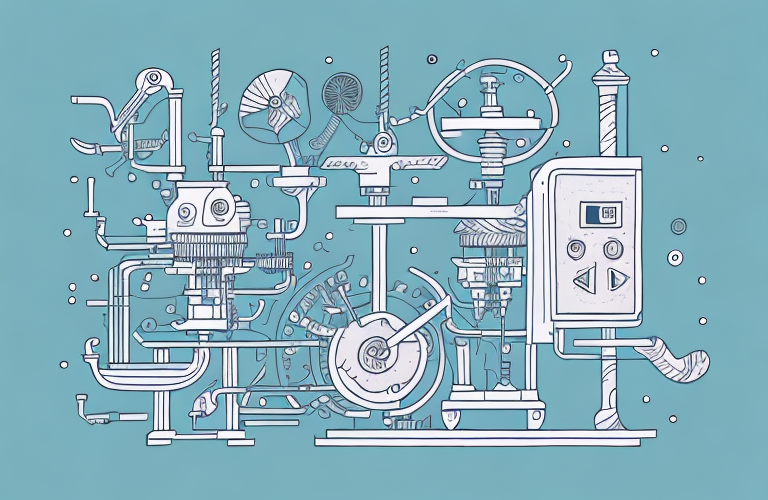
Porcelain kilns use different types of heating elements, such as gas, wood, coal or electricity. The heating elements are placed around and inside the kiln, and the heat is tightly controlled with digital controllers, which can program the temperature, time and cooling rates. Once the kiln reaches the desired temperature, the firing cycle begins, and it can take several hours for the kiln to cool down to room temperature. The cooling process is just as crucial as the firing and needs to be controlled to prevent cracking or warping of the pottery.
One of the most important factors in the success of a porcelain firing is the type of clay used. Porcelain clay is made from a mixture of kaolin, feldspar, and quartz, and it is known for its strength, translucency, and whiteness. The clay must be carefully prepared and shaped before it is placed in the kiln, as any imperfections or air pockets can cause the piece to crack or explode during firing.
Another important aspect of porcelain firing is the glaze. Glazes are made from a variety of materials, including silica, feldspar, and metal oxides, and they are applied to the surface of the pottery before firing. The glaze not only adds color and texture to the piece, but it also protects it from moisture and wear. The firing process causes the glaze to melt and fuse with the clay, creating a smooth, glassy surface that is both beautiful and functional.
Why Choose a Porcelain Kiln Over Other Options?
There are several advantages to using a porcelain kiln over other methods for firing porcelain and ceramics. One of the most significant benefits is the ability to create intricate designs and high-quality pieces that are impossible to achieve with other methods. Porcelain kilns offer greater precision and control during firing, resulting in uniform and consistent results every time. They are also versatile, allowing you to fire a wide range of clay types, including earthenware, stoneware, and porcelain.
In addition to the benefits mentioned above, porcelain kilns are also more energy-efficient than other firing methods. They use less energy to reach and maintain the high temperatures required for firing porcelain, which can result in significant cost savings over time. Porcelain kilns also produce less waste and emissions compared to other firing methods, making them a more environmentally-friendly option for ceramic artists and manufacturers.
Different Types of Porcelain Kilns and Their Advantages
There are several types of porcelain kilns, each with their own advantages and disadvantages. The most common types of porcelain kilns are electric, gas, and wood-fired kilns. Electric kilns are popular due to their convenience and ease of use, and they are suitable for beginners and professionals alike. Gas-fired kilns offer faster heating times and a unique atmosphere inside the kiln that can significantly affect the final product. Wood-fired kilns provide an organic and natural temperature environment that is perfect for some types of porcelain and clay fired products.
Another type of porcelain kiln is the hybrid kiln, which combines the benefits of electric and gas-fired kilns. Hybrid kilns offer the convenience of electric kilns with the faster heating times and unique atmosphere of gas-fired kilns. They are also more energy-efficient than traditional gas-fired kilns.
It is important to consider the size and capacity of the kiln when choosing which type to use. Electric kilns are available in a range of sizes, making them suitable for small-scale production or larger projects. Gas-fired and wood-fired kilns are typically larger and require more space, making them better suited for larger-scale production or community studios.
Key Factors to Consider When Choosing a Porcelain Kiln
When selecting a porcelain kiln, several factors need to be considered, such as the size of the kiln, the type of kiln, and the features and technology used. The size of the kiln needs to be appropriate for the size and type of project you are working on, and it is essential to choose a reputable supplier with quality kilns that offer features such as programmable controllers, the ability to fire at different temperatures and a sturdy build quality.
Another important factor to consider when choosing a porcelain kiln is the type of heating element used. Kilns can use either gas or electric heating elements, and each has its advantages and disadvantages. Gas kilns tend to be more energy-efficient and can reach higher temperatures, but they require a gas line and ventilation system. Electric kilns are easier to use and maintain, but they may take longer to reach the desired temperature and can be more expensive to operate.
It is also important to consider the firing chamber of the kiln. Some kilns have a top-loading design, while others have a front-loading design. Top-loading kilns are generally easier to load and unload, but they may not be suitable for larger projects. Front-loading kilns are better for larger projects and can be more energy-efficient, but they can be more difficult to load and unload.
Maintenance Tips for Your Porcelain Kiln
To get the best performance and life out of your porcelain kiln, periodic maintenance is essential. Regular cleaning of the kiln, removing debris and dust can prevent issues such as uneven firing and damage to the heating elements. Checking and replacing the elements is another critical task to consider, as damaged or worn elements can result in inconsistent firing and reduced kiln life. It is also essential to follow the manufacturer’s instructions for maintenance and usage to ensure safety and extend the life of your kiln.
Another important aspect of maintaining your porcelain kiln is to regularly inspect and clean the ventilation system. A clogged or dirty ventilation system can lead to poor air circulation, which can affect the firing process and even pose a safety hazard. It is recommended to clean the ventilation system at least once a month, or more frequently if you use your kiln frequently. Additionally, it is important to keep the kiln’s exterior clean and free of any flammable materials to prevent any potential fire hazards.
The Cost-Effectiveness of Using a Porcelain Kiln
While porcelain kilns can be expensive, they are often cost-effective in the long run. For artists who are serious about their craft, a kiln provides the opportunity to create customized and unique pieces, preventing the need to outsource to others that come with a hefty price tag. Additionally, the high-quality and durability of porcelain products means less frequent replacements or repairs when compared to lower-quality materials.
Safety Precautions When Operating Your Porcelain Kiln
When operating your porcelain kiln, safety should be a top priority. Always wear proper personal protective equipment such as gloves, safety glasses, and a respirator or mask when handling the kiln or working with materials. It is also important to use the kiln in a well-ventilated area to avoid exposure to fumes and gases that may be produced during firing. Furthermore, it is recommended to read and follow the manufacturer’s instructions carefully and to have a fire extinguisher nearby in case of emergency.
How to Get the Best Results with Your Porcelain Kiln
The key to getting the best results with your porcelain kiln is through experimentation and practice. It is essential to take the time to understand the firing process, use quality materials, and experiment with the temperature and firing cycles to achieve the desired results. By monitoring and fine-tuning the firing process over time, you can produce consistent and high-quality porcelain products.
Creative Ways to Use Your Porcelain Kiln Beyond Traditional Ceramics
Porcelain kilns are not just limited to creating traditional ceramics. They can be used for other creative projects such as glass fusing, enameling, and heat treating metals. With a bit of experimentation and creativity, the possibilities are endless, and the results can be spectacular.
The Future of Porcelain Kilns: Trends and Innovations
As technology continues to evolve, so do porcelain kilns. The industry is currently moving towards more energy-efficient options, such as hybrid kilns that use both gas and electricity. There is also a trend towards smaller, more compact kilns that are accessible to hobbyists and those with limited space. Additionally, some manufacturers are exploring the possibilities of high-speed firing, which could potentially reduce firing times by 50 percent or more.
Conclusion
A porcelain kiln is an invaluable tool for any artisan looking to create high-quality and beautiful porcelain products. Whether you are a beginner or an experienced artist, a porcelain kiln can provide precision, control, and versatility that cannot be achieved with other methods. By considering the factors mentioned in this article, you can choose the right porcelain kiln for your needs, operate and maintain it safely and achieve beautiful and consistent results every time.