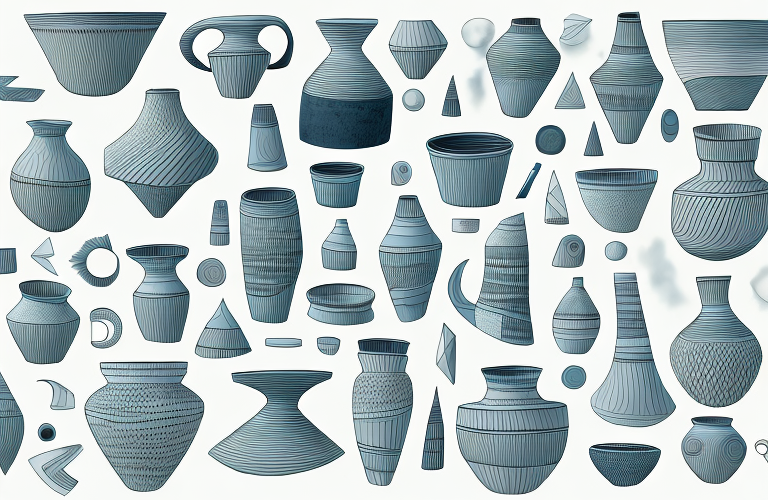
Pottery clay is one of the most important materials for ceramic artists, sculptors, and potters. It is a versatile medium that can be used to create a range of different objects, from functional tableware to decorative figurines. However, with so many types of pottery clay available, it can be overwhelming to decide which one to use for your specific project. In this article, we will explore the different types of pottery clays available, how to choose the right clay for your project, and the benefits of using high-quality pottery clay.
The Different Types of Pottery Clays Available
There are several different types of pottery clays available, each with its own unique properties and characteristics. The four main types of pottery clay are earthenware, stoneware, porcelain, and terracotta.
Earthenware clay is the oldest type of pottery clay and is made from clay that is fired at a low temperature. It is typically reddish-brown in color and is ideal for making functional items such as bowls, plates, and cups.
Stoneware clay is a more durable, high-fired clay that is often used to create detailed sculptural pieces, as well as functional, everyday items such as mugs and vases.
Porcelain clay is a very fine, white clay that is highly valued for its translucency and delicate appearance. It is often used to create intricately detailed pieces such as teapots and figurines.
Terracotta clay is a reddish-brown clay that is typically unglazed and porous. It is often used to create plant pots and other garden ornaments, as well as decorative items such as sculptures and wall hangings.
How to Choose the Right Pottery Clay for Your Project
Choosing the right pottery clay for your project depends on several factors, such as the intended use of the finished piece, its size and shape, and the level of detail you want to achieve. Here are some tips to help you choose the right clay:
- Consider the firing temperature: Each type of clay has a specific firing temperature range. Make sure the clay you choose is compatible with the temperature of your kiln.
- Think about the surface texture: If you want a smooth surface finish, choose a fine-grained clay such as porcelain. If you prefer a more textured look, try using a coarser clay.
- Consider the intended use: If you plan to create functional items such as plates and bowls, choose a clay that is strong and durable, such as stoneware or porcelain. If you want to create decorative pieces, you may prefer a more delicate clay such as porcelain.
- Consider the color: Different clays have different natural colors. If you want a specific color or shade for your finished piece, choose a clay that is closest to that color.
- Consider the price: Some types of pottery clay are more expensive than others. Consider your budget when choosing the right clay for your project.
The Benefits of Using High-Quality Pottery Clay
Using high-quality pottery clay has several benefits, including:
- Creating more consistent and predictable results: High-quality clay is more uniform in texture and composition, which makes it easier to work with and more reliable in terms of firing and glazing outcomes.
- Greater durability and strength: High-quality clay has a higher clay content, which means it is less likely to crack or break during firing and regular use.
- Better absorption of glazes and underglazes: High-quality clay absorbs glazes and underglazes more evenly, which can result in a more vibrant and consistent finish.
Understanding the Properties of Different Pottery Clays
Each type of pottery clay has unique properties and characteristics that can affect how it behaves during the creation process. Here are some of the main properties to consider:
- Plasticity: The ability of the clay to be shaped and molded.
- Shrinkage: The amount of shrinkage that occurs during the drying and firing process.
- Firing temperature range: The temperature range at which the clay can be safely fired.
- Color: The natural color of the clay.
- Porosity: The ability of the clay to absorb water or moisture.
Tips for Working with Challenging Pottery Clays
Some types of pottery clays can be more challenging to work with than others, but there are ways to overcome these challenges. Here are some tips:
- Prevent cracking: If your clay is prone to cracking during the drying or firing process, try storing it in an airtight container to prevent it from drying out too quickly.
- Use additives: You can add materials such as sand, grog, or paper fibers to your clay to improve its workability and prevent cracking.
- Practice drying slowly: To prevent cracking, try drying your clay slowly and evenly over a period of several days. You can also cover it with plastic to slow down the drying process.
- Experiment with firing schedules: If your clay is difficult to fire, try experimenting with different firing schedules to find the best temperature and duration for your specific clay.
How to Store and Maintain Your Pottery Clay
Properly storing and maintaining your pottery clay can help it last longer and perform better during the creation process. Here are some tips:
- Store clay in an airtight container: This will prevent the clay from drying out and becoming unusable.
- Keep clay away from moisture: Moisture can cause clay to become moldy or weaken over time.
- Mix clay frequently: To maintain the plasticity of your clay, mix it thoroughly at least once a week.
- Screen your clay: To remove any impurities or debris, consider screening your clay before using it.
- Keep your workspace clean: To prevent contaminants from affecting your clay, keep your workspace clean and free of dust and debris.
Exploring the History of Pottery Clay and Its Uses
Pottery clay has a rich history that spans thousands of years and countless cultures. From ancient Greek amphoras to Chinese porcelain, different types of pottery clay have been used for a wide variety of purposes throughout history. Today, pottery clay is used by artists and craftspeople around the world to create everything from functional dinnerware to intricate sculptural pieces.
Creating Unique Effects with Specialty Pottery Clays
Specialty pottery clays offer unique effects and finishes that cannot be achieved with traditional clays. Some examples of specialty clays include:
- Raku clay: This type of clay is specifically designed for the Raku firing process, which produces unique crackled and smoky finished pieces.
- Porcelain with added grog: This type of clay contains added grog, which produces a more textured surface finish.
- Black clay: This type of clay is naturally black in color and can produce striking and dramatic finished pieces.
The Environmental Impact of Different Types of Pottery Clays
The production and use of pottery clay can have an impact on the environment. Some types of pottery clay can be more environmentally friendly than others. For example, earthenware clay is often made from locally sourced materials and can be fired at lower temperatures, reducing its carbon footprint. Porcelain, on the other hand, is often produced using energy-intensive methods and requires high firing temperatures. When choosing pottery clay, consider its environmental impact as well as its other properties.
Troubleshooting Common Issues When Working with Pottery Clay
Even experienced potters can run into issues when working with pottery clay. Here are some common issues and how to troubleshoot them:
- Cracking: If your clay is cracking, try slowing down the drying process or adding grog or sand to the clay to improve its workability.
- Warping: If your clay is warping during firing, try allowing it to dry more thoroughly before firing or reducing the firing temperature slightly.
- Poor glaze adhesion: If your glazes are not sticking to your clay, try using a clay body that is more compatible with your glaze, or try increasing the thickness of your glazes.
- Overfiring: If your clay is overfired, it may become brittle and weak. Try reducing the firing temperature or firing duration next time.
Best Practices for Mixing and Preparing Your Pottery Clay
Properly mixing and preparing your pottery clay is essential for achieving the best results. Here are some best practices:
- Store and mix clay at room temperature: Cold clay can be more difficult to work with, so make sure you store it at room temperature before use.
- Use clean water: Make sure the water you use to mix your clay is clean and free of debris or contaminants.
- Use a mixing tool: A mixing tool such as a wire whisk or drill attachment can help ensure your clay is thoroughly mixed and smooth before use.
- Screen your clay: Screening your clay can help remove any impurities or larger chunks of material that can affect the finished product.
Glazing Techniques for Enhancing Your Ceramic Creations
Glazing can add depth, texture, and color to your ceramic creations. Here are some glazing techniques to try:
- Dipping: Dip your piece into a glaze vat to coat the entire surface evenly.
- Brushing: Use a brush to apply glaze to specific areas or create design elements.
- Spraying: Use a spray gun to apply a fine mist of glaze over your piece for a more even and consistent finish.
- Layering: Layer different glazes on top of each other to create interesting depth and texture.
How to Fire Your Pottery Clay to Achieve Desired Results
The firing process is a crucial step in creating finished pottery pieces. Here are some tips for firing your pottery clay:
- Read your kiln’s manual: Make sure you understand your kiln’s specific temperature range and firing cycles.
- Allow pieces to dry thoroughly first: Make sure your pieces are completely dry before firing them to prevent cracking or damage to the kiln.
- Choose the correct firing temperature: Choose a firing temperature that is appropriate for the type of clay you are using.
- Choose the correct firing duration: Consider the size and thickness of your pieces when choosing the firing duration.
- Monitor the firing process: Keep an eye on your kiln throughout the firing process to ensure it is operating correctly and prevent any potential issues.
Finding Affordable and High-Quality Pottery Clay Suppliers
Finally, finding affordable and high-quality pottery clay suppliers can be a challenge, but there are several resources you can use to find the right supplier for your needs. Here are some tips:
- Check online retailers: Many online retailers sell pottery clay and offer competitive prices and a wide range of options.
- Visit local pottery supply stores: Local stores can be a great resource for finding pottery clay and other supplies, and can also offer advice and expertise.
- Attend pottery events and exhibitions: Pottery events and exhibitions can be a great way to connect with other artists and suppliers and find new sources for pottery clay and other materials.
- Join online pottery communities: Online communities such as forums, Facebook groups, and Instagram can be a great way to connect with other artists and find new suppliers.
In conclusion, choosing the right pottery clay for your project can be challenging but rewarding. By considering the properties, uses, and benefits of different types of pottery clay, you can create beautiful and functional pieces that are truly unique.