


Pottery throwing is a time-honored craft that requires skill, patience, and an eye for detail. With the right tools and techniques, anyone can create beautiful, functional ceramic pieces that will last for generations to come. In this comprehensive guide, we will discuss everything you need to know to get started with pottery throwing.
Introduction to Pottery Throwing Techniques
Pottery throwing is a technique used to create three-dimensional objects from clay. The process involves centering the clay on a pottery wheel, and then using various tools to shape it into a desired form. The finished piece is then fired in a kiln to harden and set the clay into its permanent shape.
There are several different types of pottery throwing techniques, including the classic “throwing on the wheel” method, as well as hand-building techniques like coil and slab construction. Each technique requires different skills and tools, and can result in unique and beautiful pieces of pottery. Whether you are a beginner or an experienced potter, there is always something new to learn and explore in the world of pottery throwing.
Choosing the Right Clay for Your Project
Choosing the right clay is essential for a successful pottery throwing project. There are many different types of clay available, each with its unique properties and characteristics. Some clays are better suited for beginners, while others are more suitable for advanced potters. You’ll want to consider factors such as workability, shrinkage rate, and firing temperature when selecting your clay.
One important factor to consider when choosing clay is its plasticity. Plasticity refers to the clay’s ability to be molded and shaped without cracking or breaking. If you’re a beginner, you may want to choose a clay with higher plasticity, as it will be easier to work with and less likely to cause frustration. However, if you’re an experienced potter, you may prefer a clay with lower plasticity, as it will allow for more intricate and detailed designs.
Another factor to consider is the clay’s color. Some clays are naturally white or light-colored, while others are darker or even red in color. The color of the clay can affect the final appearance of your pottery, so it’s important to choose a clay that will complement your desired finished product. Additionally, some clays may contain impurities or minerals that can affect the final color or texture of your pottery, so be sure to research the specific clay you’re considering before making a purchase.
Preparing Your Workspace for Pottery Throwing
Before you start throwing pottery, it’s important to set up a workspace that is comfortable and functional. You’ll need a pottery wheel, a table for miscellaneous tools and equipment, and a source of water to keep your hands and tools moist while working. You may also want to invest in a sturdy stool or chair to sit on while working.
Another important aspect of preparing your workspace for pottery throwing is ensuring that you have adequate lighting. Natural light is ideal, but if that’s not possible, consider investing in bright, adjustable lamps that can be positioned to illuminate your work area.
It’s also important to keep your workspace clean and organized. Have a designated area for each tool and material, and make sure to clean up any excess clay or debris after each session. This will not only make your workspace more pleasant to work in, but it will also help you stay focused and productive.
Essential Tools and Equipment for Pottery Throwing
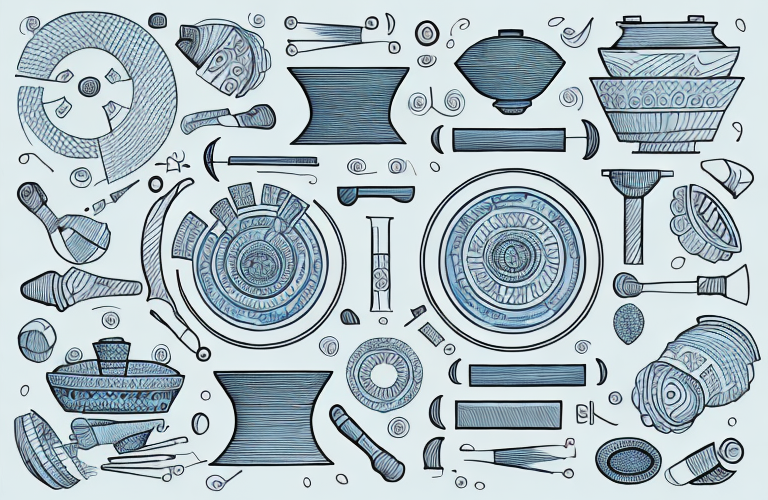
There are several tools and equipment required for pottery throwing, including a pottery wheel, a set of throwing tools, a kiln, and a range of other miscellaneous items such as bats, sponges, and ribs. You may also want to invest in some protective gear such as gloves and aprons to keep your clothing clean and protected from the clay.
One important tool that is often overlooked is a clay mixer. This machine helps to mix clay evenly and consistently, which is essential for creating high-quality pottery. Additionally, a clay extruder can be useful for creating uniform shapes and designs. It works by pushing clay through a shaped die, allowing you to create intricate patterns and textures.
Steps to Creating a Basic Pot on the Wheel
Creating a basic pot on the wheel involves a series of steps that must be followed in a specific order. The first step is centering the clay on the wheel, followed by shaping the clay into a basic form, and then refining the shape to achieve the desired result. From there, you can add decorative elements or design features using various tools and techniques.
Once you have completed the shaping and refining process, it is important to let the pot dry to a leather-hard state before trimming the bottom and adding any final touches. Trimming involves removing excess clay from the bottom of the pot to create a smooth, even surface. This step is crucial for ensuring that the pot sits flat and is stable.
After trimming, the pot is ready for firing in a kiln. Firing is the process of heating the clay to a high temperature to harden it and make it durable. Once the pot has been fired, it can be glazed to add color and a protective coating. Glazing involves applying a liquid mixture of minerals and pigments to the surface of the pot, which will then melt and fuse to the clay during a second firing in the kiln.
Advanced Techniques for Creating Intricate Shapes and Designs
For those looking to take their pottery throwing skills to the next level, there are many advanced techniques to explore. These may include adding texture and pattern to your pieces, creating complex shapes such as teapots or vases, and experimenting with different forms of decoration such as carving or slip-trailing.
One particularly advanced technique is known as “sgraffito,” which involves scratching through a layer of slip or underglaze to reveal the clay body underneath. This can create intricate designs and patterns, and is often used to add detail to larger pieces such as platters or bowls. Another technique is “nerikomi,” which involves layering different colored clays together to create a marbled effect. This can be used to create unique and eye-catching designs on both functional and decorative pieces.
Troubleshooting Common Issues in Pottery Throwing
As with any craft, pottery throwing can come with its share of challenges. Common issues in pottery throwing include problems with centering the clay, uneven throwing, and excessive warping or cracking during the firing process. Learning to identify and troubleshoot these issues can help you to create better-quality pieces and avoid frustration during the process.
One common issue that potters face is the difficulty in achieving consistent thickness throughout the piece. This can result in weak spots or uneven firing. To address this issue, it is important to pay close attention to the pressure applied to the clay and to use tools such as calipers to measure the thickness of the walls.
Another issue that can arise is the development of air pockets within the clay. These pockets can cause the piece to explode during firing or result in weak spots that are prone to cracking. To prevent this, it is important to wedge the clay thoroughly and to avoid trapping air within the piece during the throwing process.
Adding Finishing Touches: Glazing and Firing Your Pottery Pieces
Once you’ve finished shaping and refining your pottery piece, it’s time to fire it in the kiln. After firing, you can add finishing touches such as glaze to enhance the beauty and functionality of the piece. Glazing involves applying a thin layer of clay-based liquid to the surface of the piece and then re-firing it in the kiln to set the glaze into place.
Tips for Maintaining Your Pottery Wheel and Tools
To get the most out of your pottery throwing tools and equipment, it’s important to take good care of them. This includes regular maintenance such as cleaning and lubricating your wheel, sharpening your tools, and inspecting your equipment for signs of wear and tear.
Different Types of Ceramic Glazes to Enhance Your Work
There are many different types of ceramic glazes available, each with their unique properties and characteristics. Some glazes are more durable than others, while some are better suited for specific types of pottery structures or surface treatments.
Inspiration from Master Potters Across the World
One of the best sources of inspiration for pottery throwing is the work of master potters from around the world. By studying the techniques and designs of other potters, you can gain new insights and ideas for your own work.
How to Create a Personalized Signature Style in Your Pottery Making
Developing a signature style in your pottery throwing involves experimenting with different forms and techniques until you find a style that feels uniquely your own. This may involve playing with new glazing techniques or experimenting with different shapes and designs until you find a style that you love.
Understanding the Science Behind Clay and Its Properties
Understanding the science of clay and its properties is essential for successful pottery throwing. This includes understanding things like the molecular structure of clay, the role of water in the throwing process, and the chemical reactions that occur during firing.
Using Recycled Materials in Your Pottery Projects
Using recycled materials in pottery throwing can be both environmentally friendly and cost-effective. Many potters use things like recycled glass or shells to create unique textures and finishes on their pieces. With a little creativity, the possibilities are endless.
The Benefits of Joining a Pottery Community or Studio
Joining a pottery community or studio can be a great way to meet other potters, share ideas and techniques, and get access to high-quality equipment and materials. It can also be a source of motivation and inspiration as you work to improve your pottery throwing skills.
The Art of Hand-Building Vs Wheel-Throwing: Pros and Cons
In addition to pottery throwing, there are other techniques for creating ceramic pieces, such as hand-building. Each method has its advantages and disadvantages, and the choice between the two will depend on your personal preferences and the demands of your specific project.
How to Sell Your Ceramic Masterpieces Online or at Local Markets
If you’re interested in selling your pottery pieces, there are many different avenues to explore, including online marketplaces and local arts and crafts fairs. It’s important to price your pieces appropriately and market them effectively using social media and other online platforms.
Taking Care of Your Hands and Posture While Throwing Pottery
Finally, it’s important to take care of your hands and posture while throwing pottery. This involves maintaining good posture, exercising your hands and wrists regularly, and using ergonomic tools and equipment to prevent injury and strain.
With these tips and techniques in mind, you’re well on your way to creating your own ceramic masterpieces through the art of pottery throwing.