Ceramic cookware is a popular choice for home cooking, but when it comes to microwaving, many people are unsure if it’s safe to use. Microwaving can be a quick and convenient way to reheat food, but it can also be dangerous if certain types of cookware are used. In this article, we’ll explore the safety considerations of microwaving ceramic cookware and provide helpful tips to ensure your microwave practices are safe and effective.
Understanding the Composition of Ceramic Cookware
Ceramic cookware is made of kiln-fired clay and glazed with a thin layer of glass. This glass layer gives the ceramic its smooth surface and provides a protective layer against bacteria and other contaminants. Ceramic cookware is versatile, sturdy, and can withstand high heat temperatures. However, it’s important to understand that not all ceramics are the same, and some types of ceramic can break or crack when exposed to extreme temperatures.
One of the benefits of ceramic cookware is that it is non-reactive, meaning it won’t interact with acidic foods like tomatoes or citrus fruits. This makes it a great option for cooking a variety of dishes. Additionally, ceramic cookware is often dishwasher safe, making it easy to clean and maintain.
When purchasing ceramic cookware, it’s important to look for high-quality brands that use lead-free glazes. Some cheaper ceramic cookware may contain lead, which can be harmful to your health. It’s also important to follow the manufacturer’s instructions for use and care, as improper use can lead to cracking or breaking of the cookware.
Microwave Safety: What Are the Risks of Microwaving Ceramic?
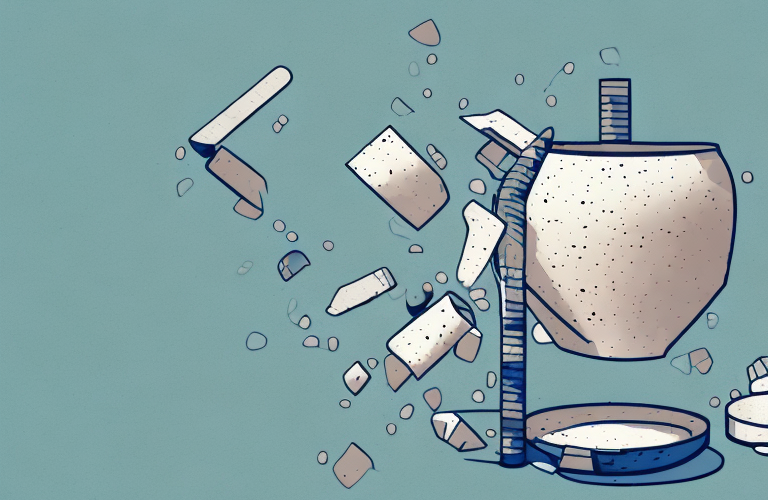
While ceramic cookware is generally safe to use in the microwave, there are some risks to keep in mind. One of the main concerns is that ceramic cookware can break or crack if exposed to high temperatures. This is especially true for ceramics that have been glazed with metallic materials or have decorations that can absorb microwaves. When these ceramics are heated in the microwave, they can create sparks or even start a fire.
Another risk of microwaving ceramic is the potential for leaching of harmful chemicals into your food. Some ceramic glazes may contain lead or cadmium, which can be released into your food when heated in the microwave. To avoid this risk, it is important to only use ceramic cookware that is labeled as microwave-safe and to avoid using any ceramics that are chipped or cracked. Additionally, it is recommended to use glass or microwave-safe plastic containers for heating food in the microwave.
How to Determine Whether Your Ceramic Dish is Microwave Safe
To determine whether your ceramic dish is safe for microwaving, you should look for a label indicating that it is microwave-safe or check with the manufacturer’s instructions. If the dish doesn’t have any label or instructions, you can perform a simple test. Fill the dish with water and microwave it for one minute. If the dish is hot but the water is cool, it means the dish is microwave-safe. If the dish and water are hot, it’s not safe for microwaving.
It’s important to note that even if a ceramic dish is labeled as microwave-safe, it’s still important to use caution when handling it. Always use oven mitts or a towel to remove the dish from the microwave, as it can become very hot. Additionally, avoid using dishes with metallic accents or decorations in the microwave, as they can cause sparks and damage to the appliance.
Exploring the Different Types of Ceramic Cookware and Their Microwave Compatibility
Not all ceramics are created equal when it comes to microwave safety. Ceramic cookware can be made from different materials, such as porcelain, stoneware, earthenware, or bone china. Porcelain and bone china are generally considered safe for microwaving, while stoneware and earthenware may not be microwave-safe due to their porous nature. Some types of ceramic cookware may also have metallic decorations or finishes that can cause sparking, so it’s essential to read the label or check with the manufacturer.
It’s important to note that even microwave-safe ceramic cookware can become hot when heated in the microwave, so always use oven mitts or pot holders when handling it. Additionally, avoid using ceramic cookware with metallic accents or decorations in the microwave, as they can cause damage to the appliance or even start a fire. When in doubt, it’s best to use glass or microwave-safe plastic containers for heating food in the microwave.
Can You Heat Food in Ceramic Plates or Bowls in the Microwave?
Yes, you can microwave food in ceramic plates or bowls, as long as they are labeled as microwave-safe or pass the water test mentioned earlier. However, it’s important not to overload the plate or bowl or use it for high-heat cooking like grilling or broiling, as this can cause the ceramic to crack or break.
It’s also important to note that some ceramic glazes may contain lead or other harmful materials, which can leach into your food when heated in the microwave. To avoid this, it’s best to use ceramic dishes that are specifically labeled as lead-free and safe for microwave use. Additionally, always use caution when removing ceramic dishes from the microwave, as they can become very hot and cause burns.
Tips for Using Ceramic Cookware Safely in the Microwave
Here are some tips to ensure safe and effective use of ceramic cookware in the microwave:
- Always check the label or instructions before microwaving
- Avoid using ceramic cookware with metallic decorations or finishes
- Don’t use ceramic cookware for high-heat cooking methods
- Be careful when handling hot ceramic cookware, as it can retain heat for a long time
Additionally, it is important to note that not all ceramic cookware is microwave-safe. Some types of ceramic may contain lead or other harmful materials that can leach into your food when heated in the microwave. To ensure your safety, only use ceramic cookware that is labeled as microwave-safe.
Another tip for using ceramic cookware in the microwave is to avoid sudden temperature changes. For example, if you take a cold ceramic dish out of the fridge and immediately put it in the microwave, it can crack or break due to the rapid change in temperature. To prevent this, allow your ceramic cookware to come to room temperature before microwaving.
Alternatives to Ceramic Cookware for Microwave Use
If you’re concerned about using ceramic cookware in the microwave, there are other options available. Glass, plastic, and silicone cookware are microwave-safe and can be used as alternatives to ceramic.
Glass cookware is a great alternative to ceramic cookware for microwave use. It is non-reactive and does not contain any harmful chemicals that can leach into your food. Glass cookware is also easy to clean and can be used in the oven as well. Plastic cookware is another option, but it is important to make sure that it is labeled as microwave-safe. Some plastics can release harmful chemicals when heated, so it is important to choose the right type of plastic. Silicone cookware is also microwave-safe and can be a good option for those who prefer non-stick cookware. It is flexible, easy to clean, and can withstand high temperatures.
Debunking Myths About Microwaving Food in Ceramic Dishes
There are some myths about microwaving food in ceramic dishes that need to be debunked. One of the most common myths is that microwaving food in ceramic can cause it to emit harmful chemicals. This is not true. Microwaving food in ceramic dishes is safe as long as the dishes are microwave-safe and not cracked or damaged.
Another myth about microwaving food in ceramic dishes is that it can cause the food to cook unevenly. However, this is also not true. Ceramic dishes are actually great for microwaving because they distribute heat evenly, which helps to cook the food thoroughly. Additionally, ceramic dishes are non-reactive, which means they won’t interact with the food and change its flavor or texture.
Best Practices for Cleaning and Maintaining Your Ceramic Cookware After Microwaving
After microwaving food in ceramic cookware, it’s important to let the cookware cool before cleaning it. Avoid using harsh detergents or abrasive materials that can scratch the surface. Instead, use a soft sponge or cloth with warm water and mild dish soap. If there are stubborn stains or odors, you can try soaking the cookware in a mixture of baking soda and water. Always rinse the cookware thoroughly after cleaning and pat it dry with a towel or let it air dry.
By following these guidelines, you can safely use ceramic cookware in the microwave and enjoy quick and convenient meals whenever you need them.
It’s also important to note that ceramic cookware can become brittle over time, especially if it’s exposed to extreme temperature changes. To prevent cracking or chipping, avoid placing hot cookware directly into cold water or onto a cold surface. Instead, let the cookware cool down to room temperature before washing it.
Additionally, if you notice any cracks or chips in your ceramic cookware, it’s best to stop using it altogether. These imperfections can harbor bacteria and compromise the safety of your food. It’s better to invest in a new piece of cookware than to risk your health.