
Clay is an incredibly versatile medium that can be used to create unique works of art, sculptures, jewelry, and more. Clay often requires the use of a base in order to ensure that the clay is securely supported and retains its shape. But with so many different types of bases available out there, it can be difficult to know which one is right for your project.
Benefits of Using a Base Under Clay
Using a base under your clay is essential for a successful piece. Not only will it provide the necessary support to ensure that your piece doesn’t sag or warp, it will also help protect your work and make sure it lasts for years to come. Different types of bases can also provide a range of additional benefits, such as added texture or color, improved adhesion and strength, and increased durability.
Using a base under your clay can also help to reduce the amount of time and effort needed to complete a project. By providing a stable foundation, the clay can be worked on more quickly and easily, allowing you to create more intricate and detailed pieces. Additionally, the base can help to reduce the amount of clay needed to complete a project, as it can provide additional support and structure.
Different Types of Bases for Clay
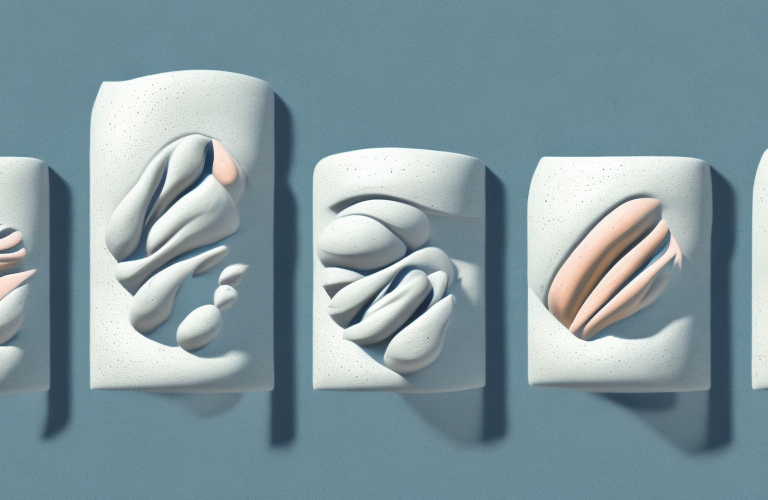
When it comes to choosing a base for clay, there are a variety of different materials to choose from. Common bases include wood, plaster, cardboard, paper mache, and found objects such as stones or twigs. Each material can provide a different benefit and should be carefully considered before making a decision.
Wood is a popular choice for clay bases because it is strong and durable. It can also be easily shaped and carved to create intricate designs. Plaster is a great option for creating a smooth surface, while cardboard is lightweight and easy to work with. Paper mache is a great choice for creating a lightweight base that can be painted or decorated. Finally, found objects such as stones or twigs can be used to create unique and interesting designs.
Preparing the Surface for Clay
Before applying your clay to the chosen base, it is important to properly prepare the surface. This includes sanding away any bumps or sharp edges and making sure the surface is clean of dust or dirt. You may also want to paint the surface in order to add color or texture. Make sure the paint is completely dry before applying the clay.
When sanding the surface, use a medium-grit sandpaper to ensure that the surface is smooth and even. If you are using a power sander, be sure to wear protective gear such as goggles and a dust mask. After sanding, use a damp cloth to wipe away any dust or debris. Once the surface is clean and dry, you can begin to apply the paint. Choose a paint that is suitable for the material you are working with and apply it in thin, even coats. Allow the paint to dry completely before applying the clay.
How to Apply the Base to the Clay
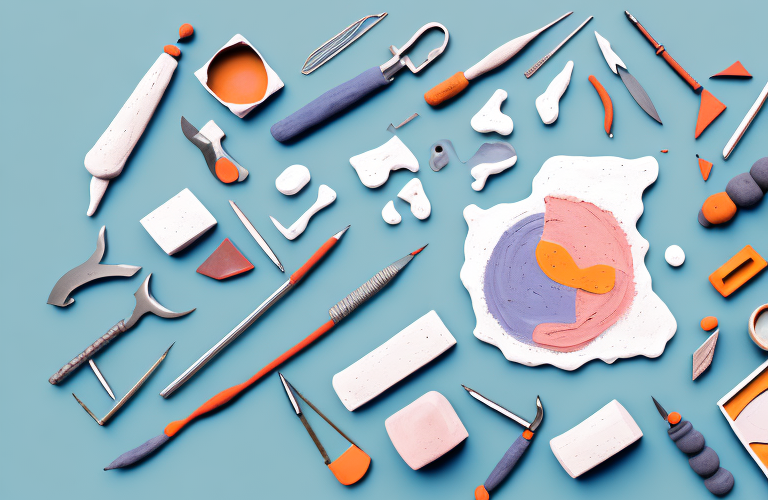
Once the surface is prepared, you can start applying the clay to the base. Depending on what material you are using, you may need to use additional tools such as a knife or spoon to scoop and spread the clay. Once the clay is in place, it’s important to use gentle pressure to press and secure it in place. This will help ensure that your piece doesn’t move or come unstuck during the drying process.
Tips for Maintaining your Clay Project
In order to ensure that your clay project lasts, there are a few maintenance tips you should follow. To begin with, make sure you don’t expose your work to extreme temperatures, either hot or cold. Additionally, you should use a sealant after the piece is dry in order to protect it from water damage or scratches. Lastly, you should avoid exposing your work to direct sunlight for extended periods of time – this can cause discoloration or fading.
DIY Clay Projects Using a Base
Using a base under clay allows you to create a variety of different projects, from jewelry and sculptures to home decor items such as bowls or plates. As long as you have the right base and adhere to the maintenance tips mentioned earlier, your projects can last you years and look just like they did when they were first made.
Troubleshooting Common Issues with Clay and Bases
Clay can sometimes be tricky to work with, so don’t be discouraged if you encounter some issues during your project. Common problems include cracking during drying (caused by too much water), warping or sagging (caused by an uneven base), and cracking during baking (caused by an uneven baking surface). For these specific issues, make sure you use the right type of base and double-check that it’s firmly secured before starting your project.
Conclusion: What is the Best Base for Under Clay?
Choosing the right base for clay can be tricky. While different types of bases have their own benefits and drawbacks, wood is usually considered one of the best options for clay projects due to its strength and long-lasting durability. However, depending on your project and desired results, you may still want to consider other materials. It’s important to take the time to experiment with different bases in orderto find the one that works best for you.