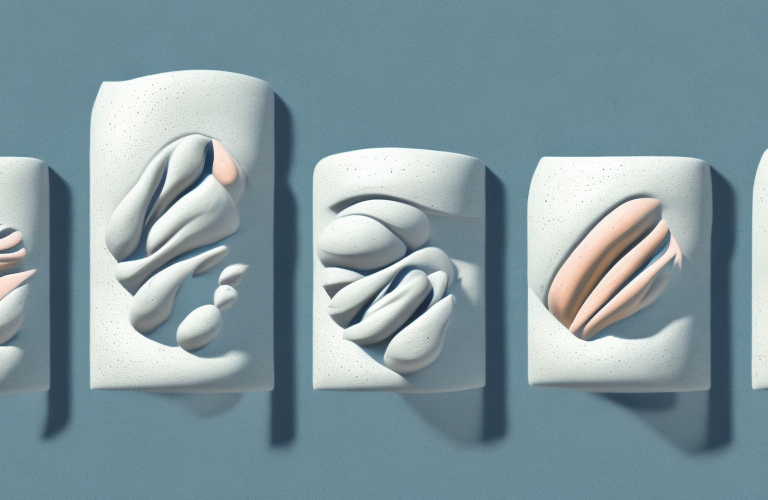
Working with clay is an incredibly rewarding craft that can be enjoyed by both beginners and advanced artisans. Using your hands to create amazing sculptures, small trinkets, or functional pieces can be thrilling. There are three main hand building techniques you will use when working with clay – coil building, slab building and pinching. In this article, we’ll discuss the overview of all three techniques, the advantages of hand building with clay, some tips for working with clay, creating unique pieces with clay, troubleshooting common problems with clay, and a list of useful resources.
Overview of the 3 Basic Hand Building Techniques
The three techniques for hand building with clay are coil building, slab building and pinching. As their names suggest, they involve using your hands to build sculptures, vessels or other objects out of different clay bodies. These techniques offer different ways of shaping the clay into the desired shape and form. Coil building involves taking small strips of clay and rolling them into coils which can then be arranged and stacked into any form of vessel. Slab building involves rolling out large, even sheets of clay and using various forms of cutting and shaping to create vessels or sculptures. Finally, pinching involves using your hands to grab, squeeze and shape the clay into the desired form.
Technique #1: Coil Building
Coil building is one of the most common hand building techniques used when working with clay. This process involves taking small strips of clay and rolling them into coils which can then be joined together or stacked on top of each other to form vessels or sculptures. You can use any type of clay to coil build, but some clays are better suited than others. High fire clays are strong and durable, which makes them ideal for coil building large vessels or sculptures. Low fire clays are much softer and more malleable, so they are better suited for creating smaller vessels or decorations.
Technique #2: Slab Building
Slab building is another popular hand building technique used when working with clay. This technique involves rolling out large, even sheets of clay and using various forms of cutting and shaping to construct vessels or sculptures. Slab building offers a lot of flexibility and control over the shape of the finished product. It is also a great way to create unique textures and patterns in your work. This technique is particularly suited for making sculptures with more angular or geometric shapes. You can also mix and match different clays to create patterns or textures.
Technique #3: Pinching
Pinching is a less commonly used hand building technique, but it can be used to create certain types of vessels or sculptures. With this technique you use your hands to grab, squeeze and shape the clay into the desired form. This technique requires a delicate touch because you must use even pressure over the entire piece in order to ensure that the final shape is consistent. This technique is best suited for creating smaller objects that have an organic form.
Advantages of Hand Building with Clay
Hand building with clay has many advantages over using a potter’s wheel. Hand building gives you full control over the shape and form of your finished product. It also allows you to add details into your work that may not be possible on a wheel. You can also easily repair pieces that have been damaged while they are still wet or even after they have been fired. Hand building is also much less expensive than wheel throwing because you don’t have to buy a wheel or special tools.
Tips for Working with Clay
Working with clay has its own set of challenges and frustrations, but there are also plenty of tips that can help you achieve better results. One important tip is to make sure that you have a clean workspace and tools before you start working. Make sure that all the surfaces you will be working on are clean and dust-free. This will ensure that the clay does not stick to anything or pick up any unwanted particles from the surface of your work area. Experiment with different clays and techniques in order to refine your skills and find the best way to work with the material.
Creating Unique Pieces with Clay
When creating unique pieces with clay, it is important to experiment and explore different forms, shapes and textures. You can also mix multiple clays together in order to get different colors, textures and effects. Hand tools such as carving tools and wires are great for adding details into your work. You can also use slips or glazes to add a variety of colors and finishes to your pieces. There are countless ways to customize your work when working with clay in order to create pieces that are truly unique.
Troubleshooting Common Problems with Clay
Sometimes things can go wrong when working with clay, but there are some simple solutions to common issues. If your clay is too dry or crumbling, try adding some water to it. This will help to restore the consistency of your clay and make it easier to work with. If your clay is too wet, use a sponge or towel to soak up the excess moisture. If your clay pieces are cracking during drying, try using a slow drying technique such as plastic wrap or an artificial dehumidifier.
Resources for Exploring Hand Building with Clay
If you want to learn more about working with clay, there are plenty of great resources available online and in print. Websites such as Ceramic Arts Network and YouTube are great for learning more about coil building, slab building and pinching techniques as well as tips for working with different types of clay. Books such as Introduction to Claywork by Maureen Nichols or Making Artisan Pottery by Stephen Hill are great for learning the basics of working with clay as well as more advanced techniques. Knowing some basic pottery terminology is also essential in order to communicate effectively with other potters.
No matter what level you’re at, hand building with clay can be an enjoyable craft that allows people to express their creativity in unique ways. Whether you’re a beginner or a professional potter, make sure to use these tips when creating beautiful pieces from clay!