

When it comes to ceramics, understanding the differences between handbuilding and wheel throwing can be confusing. So, is handbuilding really easier than wheel throwing? The answer is not so straightforward, as both techniques offer their own advantages and disadvantages.
The Basics of Handbuilding
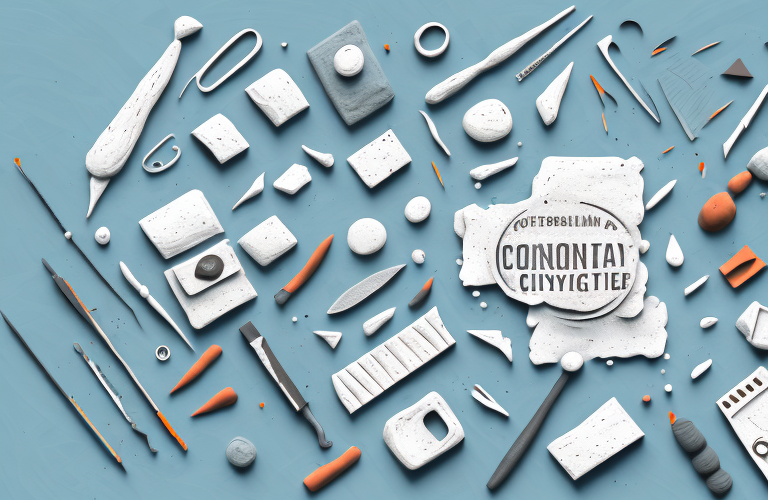
Handbuilding is a type of pottery that makes use of the hands to shape wet clay. This can be done by utilizing a range of sculpting and modeling techniques, such as pinching, coiling, slab construction and more. Handbuilding can be an enjoyable and creative practice, as it allows the artist to explore the tactile qualities of raw clay in a way that shaping with a wheel can’t quite duplicate. It can also be better for new potters, as it doesn’t require the special equipment a wheel does.
Handbuilding is a great way to create unique and interesting pieces of pottery. It allows the artist to explore different textures and shapes, and to create pieces that are truly one-of-a-kind. It also allows for a greater level of control over the final product, as the artist can make adjustments and changes as they go. Handbuilding is a great way to get creative and explore the possibilities of clay.
Advantages of Handbuilding
One of the major advantages of handbuilding is its versatility. Clay can be constructed into a wide range of forms and shapes, from containers and tiles, to complex sculptural forms. Additionally, handbuilding requires less space and fewer tools than wheel throwing, which makes it ideal for a beginner’s studio setup. Moreover, using the hands to shape clay offers a tactile experience that is often more enjoyable than working on the wheel.
Handbuilding also allows for more experimentation with the clay. You can combine different techniques, such as pinching, coiling, and slab building, to create unique pieces. Additionally, handbuilding is a great way to explore texture and surface design. You can use tools to create patterns and textures in the clay, or you can use found objects to create interesting impressions. Finally, handbuilding is a great way to express your creativity and explore your artistic vision.
Disadvantages of Handbuilding
Though handbuilding can be a great way to start forming pieces of art in clay, it can be quite time-consuming. In addition, if thoroughness isn’t maintained during the building process, pieces made with handbuilding techniques could be prone to cracking during drying and firing. Due to the techniques’ reliance on manual dexterity, achieving uniformity can also be difficult.
The Basics of Wheel Throwing
Wheel throwing is another type of pottery, whereby objects are constructed by shaping wet clay on the rotating surface of a potter’s wheel. While potentially more difficult for a beginner to learn than handbuilding, wheel throwing can offer a great deal of control over shape, dimension and symmetry. In addition, when mastered, the technique can result in quick production out-put.
Advantages of Wheel Throwing
The biggest advantage of wheel throwing is its efficiency. Once you get the hang of how to throw shapes on the wheel, you’ll be able to create beautiful ceramics with remarkable speed. Additionally, wheel throwing offers a great deal of control over the form and shape of objects. As such, creating uniform and purely cylindrical pieces is much easier with a wheel than with handbuilding.
Disadvantages of Wheel Throwing
Learning how to throw pottery on the wheel can be tricky and often requires some trial and error. It also requires investing money into purchasing or renting a pottery wheel which could be costly upfront. Furthermore, making creations with a wheel is generally only effective for cylindrical pieces; sculptural projects require other types of techniques.
Comparison of the Two Techniques
When comparing the two approaches to working with clay, there are distinct advantages and disadvantages to both. While handbuilding is more versatile and less expensive to get into, it can be time-consuming and require more precision. Wheel throwing enables objects to be formed very quickly and is ideal for making purely cylindrical forms such as cups and vases; however, more complex forms require more complex techniques that may go beyond what a pottery wheel can offer.
Tips for Improving Skill in Handbuilding and Wheel Throwing
When first starting out, it’s important to practice with both handbuilding and wheel throwing; spend some time feeling out how the materials react different ways. As you continue to improve your technique in both forms of ceramics, it’s helpful to use tools such as foam bats or wooden boards for trimming and distressing your pieces. Additionally, practice patience when working with clay – unlike other art forms, clay needs time to dry properly.
Popular Projects to Try in Handbuilding and Wheel Throwing
If you’re looking for some projects to try in either handbuilding or wheel throwing, consider making dishes like plates and bowls since these are easy to form with either technique. Serveware like mugs, pitchers and teapots are well-suited to wheel throwing and make great gifts. For more complex sculptural forms, handbuilding is the best option – you can use slabs of clay to create masks or figurines or experiment with embossed tiles.
Final Thoughts on Handbuilding vs Wheel Throwing
In conclusion, deciding whether to use handbuilding or wheel throwing comes down to personal preference and what you plan on making in clay. Both methods have their pros and cons and should be explored by any aspiring ceramic artist. Either way, have fun and remember that practice makes perfect when it comes to working with clay!