If you work with a kiln on a regular basis, kiln elements should be examined and replaced regularly to ensure the safety and functionality of your kiln. Not only can newer elements lead to improved performance, but it can also help ensure your kiln runs in top condition for longer. So, how often should you change kiln elements? To answer that, let’s take a look at what kiln elements are, their benefits, when to change them, types, cost analysis, and tips for proper maintenance.
Overview of Kiln Elements
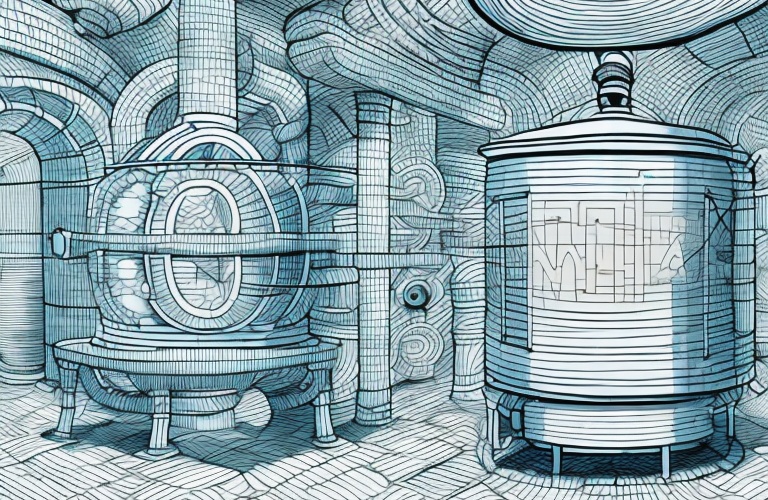
Kiln elements are electrical heating elements used to heat and maintain temperature in a kiln for firing clay, porcelain, and other ceramics. Most electric kilns use two distinct types of elements: one for low-temp firing and one for high-temp firing. The wattage of the elements vary depending on the model, but many kilns use 8-12 elements for smaller kilns and 20-24 for larger kilns.
Kiln elements are typically made of a high-temperature alloy such as Kanthal or Nichrome, which can withstand temperatures up to 2,000°F. The elements are usually coiled and placed in a ceramic tube, which helps to evenly distribute the heat. The elements are then connected to a power source, such as a wall outlet, and the kiln is ready for firing.
Benefits of Regularly Replacing Kiln Elements
Keeping up with regular kiln element replacements has several benefits. First, brand new elements can help your kiln run much more efficiently than aging and worn-out elements. This can have an immediate, positive effect on the quality of your pieces. Additionally, regular replacing of elements can help extend the life of your kiln by reducing wear and tear. As a result, you can expect to get much more use out of your kiln before needing to replace it.
Replacing your kiln elements regularly can also help you save money in the long run. By replacing elements before they become too worn out, you can avoid costly repairs or replacements of the entire kiln. Additionally, new elements can help you save money on energy costs, as they are more efficient than older elements.
When to Change Kiln Elements
Kiln elements should be changed every two to three years for optimal performance. Of course, wear and tear can vary from one kiln to the next, and the amount of use your kiln receives will also affect the wear on your elements. As a general rule, however, it is best to replace them every two to three years to ensure your pieces are firing as intended.
It is important to check your elements regularly to ensure they are in good condition. If you notice any signs of wear or damage, it is best to replace them as soon as possible. Additionally, if you notice any changes in the performance of your kiln, such as uneven heating or slow firing, it is likely time to replace the elements.
Types of Kiln Elements
When replacing elements, you must make sure you are using the correct type for your particular kiln. Elements are generally made from either Kanthal or Nichrome wire. Kanthal is a commonly used alloy that is stronger and longer lasting than Nichrome, and is used in most modern kilns. However, Nichrome elements can still be found in some older kilns.
Cost Analysis of Replacing Kiln Elements
The cost of replacing kiln elements can vary significantly depending on the size of your kiln, number of element replacements, and type of wire used. As a general guideline, budget anywhere from $100-300 dollars per element replacement. The cost can be higher for larger kilns with more elements.
Safety Precautions for Replacing Kiln Elements
When replacing the elements in your kiln, safety should always be your top priority. Make sure to shut off the power to the kiln before starting any repairs. Wear heavy-duty protective gear such as gloves, long sleeves and pants, as well as a face mask, when handling the elements. Finally, always follow all directions for installation for your particular model.
Troubleshooting Common Issues with Kiln Elements
If you’re experiencing an issue with one or more of the elements in your kiln, it may be due to a variety of different issues, such as incorrect wiring or a faulty element itself. It’s important to take time to troubleshoot the issue before replacing any parts. Check all wiring connections and ensure there are no damaged wires or loose connections. Also make sure the element is securely tightened into the bracket.
Tips for Maintaining and Extending the Life of Your Kiln Elements
In addition to regular element replacements, there are several measures you can take to extend the life of your kiln’s elements and ensure it delivers top performance for longer. Make sure to use proper firing schedules that take into account both temperature rise time and heat settings. Additionally, clean and inspect the elements regularly for any signs of damage or wear. Finally, always fire in a well-ventilated area to prevent overheating.
Replacing the elements in your kiln regularly is essential in order to both ensure safety and maintain the quality of your fired pieces. How often you should replace the elements depends on a variety of factors, so make sure to inspect them periodically for any signs of damage or degradation. Keeping up with regular element replacement and proper maintenance will help extend the life of your kiln, as well as ensure peak performance from every fire.