


Clay wheel throwing is a fascinating and rewarding craft. It involves the creation of beautiful and functional objects using a spinning wheel and a lump of clay. The process of wheel throwing requires skill, patience, and a lot of practice, but with the right techniques, equipment, and mindset, anyone can master this art form. In this article, we will guide you step-by-step through the process of clay wheel throwing, from choosing the right type of clay to firing and glazing your finished pieces.
The Benefits of Clay Wheel Throwing as a Hobby
Clay wheel throwing is not only a creative outlet but also a great way to reduce stress and improve focus. By coaxing a piece of clay into a desired shape or form, you are engaging your mind and body in a tactile and meditative way. Furthermore, clay wheel throwing is a satisfying hobby because it allows you to create handmade objects that have practical uses in your home or can be given as cherished gifts. Additionally, clay wheel throwing is a unique and timeless craft that has been passed down from generation to generation for thousands of years.
Another benefit of clay wheel throwing is that it can be a social activity. Many pottery studios offer classes or workshops where you can learn and create alongside other enthusiasts. This can be a great way to meet new people and build a sense of community around a shared interest. Additionally, participating in group activities can provide a sense of accountability and motivation to continue practicing and improving your skills. Overall, clay wheel throwing is a rewarding and fulfilling hobby that offers both personal and social benefits.
Choosing the Right Type of Clay for Wheel Throwing
Choosing the right clay is important for wheel throwing success. Some of the most popular types of clay for wheel throwing include earthenware, stoneware, and porcelain. Earthenware clay is a soft and pliable clay that is great for beginners or for those who want a more rustic finish. Stoneware clay is slightly harder and more durable than earthenware and produces a more refined finish. Porcelain is a type of clay that is known for its delicate and translucent qualities. Once you have chosen the type of clay that works best for you, be sure to store it properly to prevent it from drying out or becoming contaminated.
It’s also important to consider the firing temperature of the clay you choose. Earthenware clay is typically fired at a lower temperature, around 1,800 to 2,100 degrees Fahrenheit, while stoneware and porcelain are fired at higher temperatures, around 2,200 to 2,400 degrees Fahrenheit. Firing at the correct temperature is crucial for achieving the desired strength and finish of your pottery. Additionally, some clays may require special glazes or surface treatments to achieve the desired effect, so be sure to research and experiment with different techniques to find what works best for your chosen clay.
Essential Equipment for Successful Clay Wheel Throwing
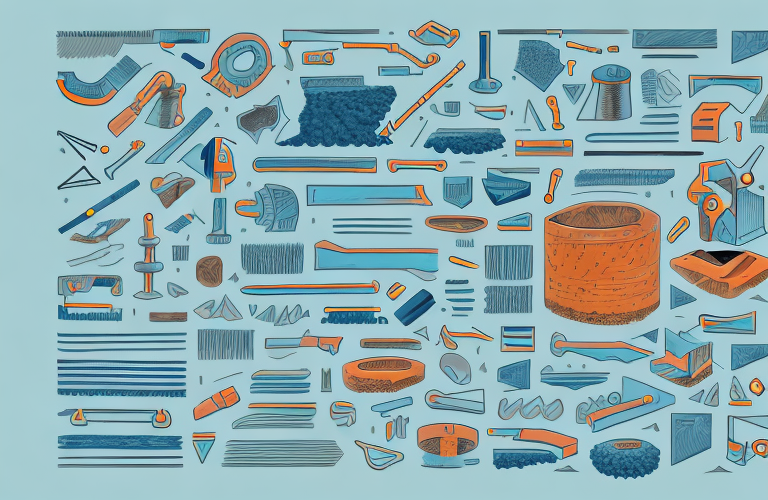
In order to create beautiful pottery with clay wheel throwing, you will need a few essential pieces of equipment. These include a pottery wheel, a clay body, a throwing bat, throwing rib, wire tool, and sponge. The pottery wheel is the heart of the operation and is used to spin the clay. The throwing bat is used to release the finished piece from the wheel. The throwing rib is used to shape the clay and smooth out any imperfections. The wire tool is used to cut the clay and make sharp edges. Lastly, the sponge is used to clean and wet the clay as you work.
Aside from the essential equipment, there are a few other tools that can be helpful for successful clay wheel throwing. A needle tool can be used to create intricate designs and patterns in the clay. A caliper can be used to measure the thickness of the clay and ensure consistency throughout the piece. A trimming tool can be used to remove excess clay and refine the shape of the piece. Additionally, having a spray bottle filled with water can be useful for keeping the clay moist and preventing it from drying out too quickly.
The Basic Techniques of Clay Wheel Throwing: Centering, Opening, and Pulling
The basic techniques of clay wheel throwing are centering, opening, and pulling. Centering refers to the process of making sure the clay is perfectly balanced on the wheel. Opening refers to carving out the center of the clay lump to create a hollow space. Pulling refers to stretching the clay upwards and outwards to make the desired shape or form. These techniques require practice and patience, but are essential for executing more advanced techniques and producing consistent results.
Once you have mastered the basic techniques of clay wheel throwing, you can experiment with different shapes and forms. For example, you can create bowls, vases, plates, and even sculptures. You can also experiment with different types of clay, such as porcelain, stoneware, and earthenware, to achieve different textures and finishes.
Another important aspect of clay wheel throwing is glazing. Glazing involves applying a layer of liquid glass to the surface of the clay object, which is then fired in a kiln to create a durable, waterproof finish. There are many different types of glazes available, including matte, glossy, and textured finishes, and you can experiment with different colors and combinations to achieve the desired effect.
Advanced Techniques in Clay Wheel Throwing: Trimming, Shaping and Altering Forms
Once you have mastered the basic techniques, you can move on to more advanced techniques such as trimming, shaping, and altering forms. Trimming involves using a sharp tool to remove excess clay from the bottom of your piece. Shaping refers to creating unique and intentional curves, dents, and textures using your hands or tools. Altering forms involves manipulating the clay to create asymmetrical, organic, or expressive designs.
It is important to note that these advanced techniques require patience, practice, and a deep understanding of the properties of clay. Trimming too much clay can cause your piece to collapse, while shaping too aggressively can cause cracks or distortions. Altering forms requires a delicate touch and a willingness to experiment with different techniques and approaches. However, with dedication and perseverance, these advanced techniques can lead to truly stunning and unique pieces of pottery.
The Importance of Consistency in the Creation Process
Consistency is a crucial element of successful clay wheel throwing. This includes consistency in the amount of clay used, the thickness of the walls, and the shape of the finished piece. It is important to measure and weigh your clay, use the same techniques and tools, and pay careful attention to the details of each piece. Consistency will help you produce high-quality work and develop your own aesthetic in clay wheel throwing.
Common Mistakes to Avoid When Wheel Throwing with Clay
As with any craft, there are common mistakes to avoid when wheel throwing with clay. Some of the most common mistakes include not centering the clay properly, not adding enough water, not trimming enough, and not practicing enough patience. These issues can be frustrating, but can also be avoided by practicing and perfecting your techniques over time.
How to Add Texture and Surface Decoration to Your Clay Pieces
Adding texture and surface decoration to your clay pieces can take your work to the next level. Some techniques for adding texture include incising, stamping, and carving. Other techniques for surface decoration include applying glazes, underglazes, or slips. These techniques require experimentation and patience, but can add visual interest and depth to your finished pieces.
Tips for Firing and Glazing Your Finished Clay Pieces
Firing and glazing are essential steps in the clay wheel throwing process. Firing refers to the process of heating the clay in a kiln to harden it permanently. Glazing refers to applying a liquid coating to the clay that will create a glossy or matte finish, as well as protecting it from moisture and wear. Some tips for firing and glazing include understanding the type of clay you are using, following the kiln manufacturer’s instructions for firing, and experimenting with different glazing techniques and recipes.
How to Set Up Your Own Home Studio for Clay Wheel Throwing
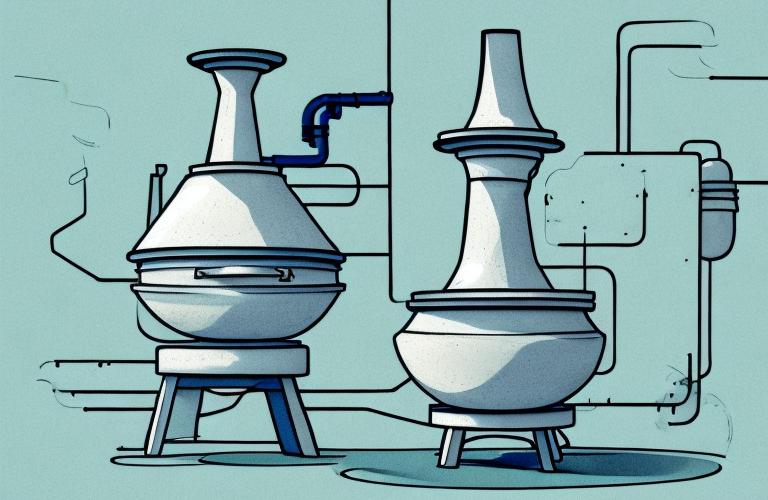
Setting up your own home studio for clay wheel throwing is a great way to continue practicing and improving your skills. A home studio requires a few key pieces of equipment, including a wheel, a kiln, and space for storage and work. Other important considerations include proper ventilation, lighting, and a clean-up area. With the right set-up, you can work on your pieces at your own pace and create a comfortable atmosphere for your creative process.
Exploring Different Styles of Pottery in Clay Wheel Throwing
Clay wheel throwing allows for endless possibilities in terms of style and form. Whether you are interested in creating functional pieces like bowls and cups or decorative pieces like vases and sculptures, there are many different styles to explore. Some popular styles include traditional, modern, minimalist, and rustic. By exploring different styles and techniques, you can begin to develop your own style and create unique pieces that are true to your vision.
Troubleshooting Common Issues in the Clay Wheel Throwing Process
Sometimes, despite our best efforts, we encounter issues in the clay wheel throwing process. Whether it’s a problem with the clay, tools, or technique, troubleshooting is an important skill to develop. Some common issues include cracking, warping, or uneven thickness. By identifying the issue and taking steps to correct it, you can turn a mistake into a learning opportunity and improve your skills for future projects.
Building a Portfolio of Work in Clay Wheel Throwing
One of the benefits of clay wheel throwing is the ability to create functional or decorative objects that can be exhibited or sold. Building a portfolio of work is a great way to showcase your skills and gain exposure for your craft. This can include creating pieces for friends and family, participating in local showcases or markets, or selling your work online. The key is to continue practicing and refining your skills, and to be open to feedback and collaboration.
The Future of Clay Wheel Throwing and Pottery Making as an Art Form
The future of clay wheel throwing and pottery making as an art form is both promising and exciting. With the rise of handmade and sustainable products, there is a growing appreciation for the art and skill that goes into creating handcrafted objects. Furthermore, advancements in technology and materials are allowing for new possibilities in clay wheel throwing, such as new glazing techniques, innovative shapes and forms, and more efficient kilns. As a timeless and versatile craft, clay wheel throwing is poised to continue evolving and thriving for generations to come.