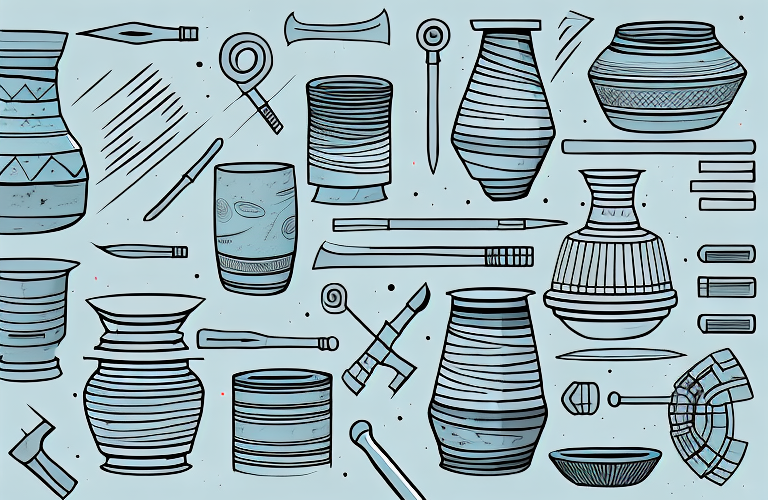


Stoneware is a type of clay-based ceramic that is fired at high temperatures to create a durable, heat-resistant material that is popular for cooking and serving. If you’re considering using stoneware in your kitchen, you may be wondering if it is safe to put in the dishwasher. In this comprehensive guide, we’ll answer that question and provide you with everything you need to know about stoneware and dishwasher safety.
What is Stoneware and How is it Made?
Stoneware is made from a specific type of clay that is fired at high temperatures to make it hard and durable. This firing process creates a vitrified surface that is impermeable to liquids and resistant to chips, cracks, and scratches. To make stoneware, the clay is first shaped into the desired form, then it is glazed (if desired), and finally, it is fired at a high temperature of around 1,200°C.
Stoneware has been used for centuries to create a variety of household items, including plates, bowls, and mugs. It is a popular choice for kitchenware because it is microwave and dishwasher safe, making it convenient for everyday use. Additionally, stoneware is known for its unique and beautiful finishes, which can range from glossy to matte, and can be decorated with intricate designs or simple patterns. Overall, stoneware is a versatile and durable material that is perfect for both functional and decorative purposes.
Understanding the Different Types of Stoneware
There are different types of stoneware available, each with its own unique characteristics. Some stoneware is glazed, while others are unglazed. Glazed stoneware is typically easier to clean and more resistant to staining than unglazed stoneware. However, unglazed stoneware has a natural, rustic look that many people prefer.
Another type of stoneware is porcelain stoneware, which is made from a finer clay and fired at a higher temperature than traditional stoneware. This results in a more durable and less porous material that is ideal for use in high-traffic areas such as kitchens and bathrooms. Porcelain stoneware is also available in a wide range of colors and patterns, making it a popular choice for both modern and traditional interiors.
Finally, there is also handcrafted stoneware, which is made by skilled artisans using traditional techniques. This type of stoneware is often highly decorative and can feature intricate patterns and designs. Handcrafted stoneware is typically more expensive than mass-produced stoneware, but it is also more unique and can add a touch of individuality to your home decor.
Pros and Cons of Using Stoneware for Cooking and Serving
The advantages of using stoneware for cooking and serving are many. Stoneware is a great heat conductor, which means food cooks evenly and retains heat well. Stoneware is also very durable and can last for many years if cared for properly. Additionally, stoneware is a great choice for those who want to avoid using plastics in the kitchen, as stoneware is free from harmful chemicals like BPA. The only downside of stoneware is that it can be heavy and may chip or crack if dropped.
Another advantage of using stoneware is that it is versatile and can be used for a variety of cooking methods, including baking, roasting, and grilling. Stoneware can also be used to serve food directly from the oven to the table, which makes it a great choice for entertaining guests. Additionally, stoneware is easy to clean and does not require any special cleaning products or techniques.
However, it is important to note that not all stoneware is created equal. Some stoneware may contain lead or other harmful materials, so it is important to purchase stoneware from a reputable source and to check for any warning labels or certifications. It is also important to avoid sudden temperature changes when using stoneware, as this can cause it to crack or break. Overall, stoneware is a great choice for those who want a durable, versatile, and chemical-free option for cooking and serving food.
Dishwasher-Safe Stoneware vs Hand-Wash Only Stoneware: What’s the Difference?
Some stoneware is labeled as dishwasher-safe, while others are labeled as hand-wash only. The main difference between the two is the glaze used on the stoneware. Dishwasher-safe stoneware is coated with a special glaze that can withstand the heat and pressure of a dishwasher. Hand-wash only stoneware, on the other hand, is typically made from an unglazed or lightly-glazed clay that could become damaged in a dishwasher.
It’s important to note that even if stoneware is labeled as dishwasher-safe, it’s still a good idea to inspect it for any cracks or chips before putting it in the dishwasher. These imperfections can cause the stoneware to break or shatter during the wash cycle. Additionally, some dishwashers may have settings that are too harsh for stoneware, so it’s always a good idea to check the manufacturer’s instructions before using the dishwasher.
When it comes to hand-washing stoneware, it’s best to use a mild dish soap and a soft sponge or brush. Avoid using abrasive materials, such as steel wool or harsh chemicals, as these can scratch or damage the stoneware. After washing, be sure to rinse the stoneware thoroughly and dry it with a soft cloth to prevent water spots or streaks.
The Science Behind Dishwasher-Safe Stoneware
So, why is some stoneware dishwasher-safe, while others are not? The secret lies in the glaze used on the stoneware. Dishwasher-safe stoneware is coated with a special glaze that is designed to withstand the high heat and pressure of a dishwasher. This glaze is made from a mixture of silica, clay, and other materials that have been formulated to provide maximum protection against chipping, cracking, and staining.
Additionally, the firing process of the stoneware also plays a role in its dishwasher-safe properties. The stoneware is fired at a high temperature, which causes the glaze to fuse with the clay body of the stoneware. This creates a strong bond between the glaze and the stoneware, making it more resistant to damage from the dishwasher. However, it is important to note that not all stoneware is dishwasher-safe, and it is always best to check the manufacturer’s instructions before putting any stoneware in the dishwasher.
How to Test if Your Stoneware is Dishwasher Safe
If you’re unsure if your stoneware is dishwasher safe, there is a simple test you can do to find out. Simply fill a small bowl with water and place it in your dishwasher. Run your dishwasher as normal, and then check the bowl for any signs of damage or discoloration. If the bowl looks the same as it did before, then your stoneware is likely dishwasher safe. However, if the bowl shows signs of damage, then you should hand-wash the stoneware in the future.
It’s important to note that even if your stoneware passes the dishwasher test, it may still be prone to cracking or chipping in the dishwasher over time. To prolong the life of your stoneware, consider hand-washing it or using a gentler dishwasher cycle.
Additionally, some stoneware may have decorative elements or metallic accents that can be damaged in the dishwasher. Always check the manufacturer’s instructions or do a small test before putting any stoneware with decorative elements in the dishwasher.
Tips for Caring for Your Stoneware
To keep your stoneware looking its best, there are a few care tips to keep in mind. Always preheat your stoneware before placing food in it, to ensure even cooking. Never use abrasive cleaners or scrubbers on your stoneware, as these can damage the glaze. When storing your stoneware, stack it carefully to avoid chipping or cracking. And when cleaning your stoneware, use warm water and a mild detergent, and avoid soaking it for extended periods of time.
Another important tip for caring for your stoneware is to avoid exposing it to extreme temperature changes. For example, do not take your stoneware directly from the freezer to the oven, as this can cause it to crack. Instead, allow it to come to room temperature before placing it in the oven. Additionally, be careful when using your stoneware on the stovetop, as direct heat can also cause it to crack.
Finally, if you notice any chips or cracks in your stoneware, it is best to stop using it for food preparation. While stoneware is durable, it is not indestructible, and continued use of damaged pieces can lead to further damage or even breakage. Instead, repurpose your damaged stoneware as a decorative piece or consider recycling it.
Common Mistakes to Avoid When Cleaning Your Stoneware
There are a few common mistakes that people make when cleaning their stoneware, which can lead to damage over time. One of the biggest mistakes is using metal utensils on the stoneware, as this can scratch the glaze and cause it to become damaged. Another common mistake is putting cold water or food into hot stoneware, as this can cause it to crack. Finally, avoid soaking your stoneware for extended periods of time, as this can cause the glaze to become damaged.
It is also important to avoid using harsh chemicals or abrasive cleaners on your stoneware, as this can damage the glaze and affect the overall appearance of the piece. Instead, opt for gentle, non-abrasive cleaners and use a soft sponge or cloth to clean the stoneware. Additionally, make sure to dry your stoneware thoroughly after cleaning, as any remaining moisture can lead to mold or mildew growth.
Alternatives to Stoneware for Dishwasher-Safe Cookware
If you’re looking for alternative dishwasher-safe cookware options, there are several to choose from. Ceramic and glass are both popular options that are durable and heat-resistant. Stainless steel is another great option that is easy to clean and doesn’t scratch easily. Non-stick cookware can also be dishwasher safe, although you should be mindful of the type of dishwasher detergent you use with it, as some can be damaging to the non-stick coating.
Now that you know everything about stoneware and dishwasher safety, you can confidently decide if stoneware is the right option for you. Remember to always follow care instructions carefully to keep your stoneware looking and performing its best for years to come.
Ceramic cookware is a great alternative to stoneware, as it is also made from clay but is fired at a higher temperature, making it more durable and less likely to crack or chip. It is also non-reactive, meaning it won’t affect the taste of your food. Ceramic cookware is available in a variety of colors and designs, making it a stylish addition to any kitchen.
Another alternative to stoneware is cast iron cookware. Cast iron is incredibly durable and can last for generations with proper care. It is also naturally non-stick when seasoned properly, making it easy to clean. Cast iron cookware can be used on the stovetop, in the oven, and even on the grill, making it a versatile option for any cooking need.