If you’re someone who enjoys the convenience of using a microwave to cook or reheat your food, you may find yourself wondering whether you can microwave your ceramic dishes. While this type of dishware is a common choice for serving and storing food, it’s important to understand the properties of these materials and the potential risks involved when using them in a microwave. In this article, we’ll explore whether you can put ceramic in the microwave and what you need to know before doing so.
Understanding Ceramic Materials
Ceramic materials are commonly used in a variety of applications, from household dishware to industrial machinery. These materials are known for their durability, heat resistance, and ability to withstand high temperatures. Ceramic dishes are often favored for their aesthetic appeal as well as their practicality, making them a desirable choice for serving food.
One of the unique properties of ceramic materials is their ability to be molded into various shapes and sizes. This makes them ideal for creating intricate designs and patterns, which can be seen in decorative ceramic tiles and pottery. Additionally, ceramic materials are often used in the production of electronic components, due to their ability to conduct electricity and resist corrosion.
However, it is important to note that ceramic materials can be brittle and prone to cracking or breaking under stress. To address this issue, researchers have been working on developing new types of ceramics that are more durable and resistant to damage. These advancements in ceramic technology have led to the creation of stronger and more reliable ceramic products, which can be used in a wider range of applications.
The Microwave’s Effect on Ceramic
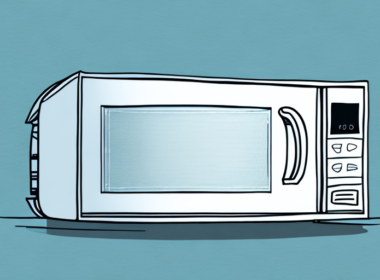
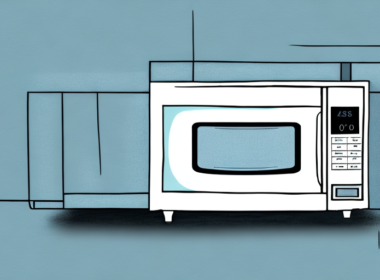
The microwave uses electromagnetic radiation to heat and cook food quickly. This radiation causes the water molecules in the food to vibrate rapidly, generating heat and cooking the food from within. Ceramic materials, while generally heat-resistant, can be affected by the microwave’s radiation. The molecules in the ceramic can also vibrate and generate heat, potentially causing the dish to crack or break.
It is important to note that not all ceramic dishes are microwave-safe. Some ceramics may contain metallic elements or glazes that can cause sparks or fires in the microwave. It is recommended to check the manufacturer’s instructions or perform a simple test before using a ceramic dish in the microwave. To test, place the empty dish in the microwave with a cup of water beside it. Microwave on high for one minute. If the dish remains cool and the water is hot, it is safe to use. If the dish becomes hot or cracks, it is not microwave-safe.
Why Some Ceramics are not Microwave Safe
While many types of ceramic dishes are safe for use in the microwave, some may not be. Certain types of glazes or decorations on ceramic dishes can contain materials that are not microwave-safe. For example, some metallic paints or finishes can cause the dish to overheat or spark, posing a fire hazard. Additionally, ceramics that are not fired at high enough temperatures can be more susceptible to cracking or breaking when exposed to the microwave’s radiation.
It is important to note that even if a ceramic dish is labeled as microwave-safe, it is still recommended to use caution when heating food in it. Uneven heating can occur in ceramic dishes, which can lead to hot spots and potentially burn the food or the person handling the dish. It is also recommended to avoid using ceramic dishes with metallic accents or decorations in the microwave, as they can cause damage to the appliance and pose a safety risk.
The Risks of Putting Non-Microwave Safe Ceramics in the Microwave
If you use non-microwave safe ceramic dishes in the microwave, you risk damaging both the dish and the appliance itself. The dish may crack, shatter, or release harmful chemicals into your food. In some cases, a non-microwave safe ceramic dish could even cause a fire or damage your microwave beyond repair.
It is important to note that not all ceramics are created equal. Some ceramics are specifically designed to be microwave safe, while others are not. To determine if a ceramic dish is microwave safe, look for a label or symbol indicating that it is safe for use in the microwave. If there is no label or symbol, it is best to err on the side of caution and avoid using the dish in the microwave.
How to Tell if Your Ceramic is Microwave Safe
If you’re not sure whether your ceramic dishes are microwave-safe, there are a few things you can do to check. Look for any stickers or labels on the dish indicating that it’s safe for microwave use. If there are no markings, you can try doing a quick “microwave test” – place the dish with a small amount of water in the microwave and heat it for 1-2 minutes. If the dish gets very hot or cracks, it’s not microwave-safe.
Another way to determine if your ceramic dish is microwave-safe is to check the manufacturer’s instructions or website. They may have specific information about the dish’s microwave safety. Additionally, you can look for dishes that are labeled as “microwave-safe” or “oven-to-table” as these are designed to withstand high temperatures.
It’s important to note that even if a ceramic dish is labeled as microwave-safe, it’s still important to use caution when heating food in it. Always use oven mitts or a towel to handle hot dishes, and avoid heating food for too long or at too high of a temperature to prevent damage to the dish or potential injury.
Alternatives to Using Ceramic in the Microwave
If you’re hesitant to use your ceramic dishes in the microwave or don’t have microwave-safe ceramic dishes available, there are a few alternatives you can use. Glass dishes are generally microwave-safe and can be used for heating or cooking food. Plastic containers labeled as microwave-safe can also be used, but be sure to check for any signs of wear or damage before using them in the microwave.
Another alternative to using ceramic in the microwave is to use paper towels or microwave-safe parchment paper to cover your food. This can help prevent splatters and keep your microwave clean. However, be sure to only use microwave-safe paper products and avoid using regular paper towels or wax paper, which can catch fire in the microwave.
Tips for Properly Using Ceramic in the Microwave
If you have microwave-safe ceramic dishes and want to use them for heating or cooking food, there are a few guidelines you should follow. Avoid heating dishes that are empty or have very little liquid in them, as this can cause them to crack or break. Use caution when removing hot dishes from the microwave, as they can be very hot and could cause burns. Finally, always follow the manufacturer’s instructions for using and maintaining your ceramic dishes.
It’s important to note that not all ceramic dishes are microwave-safe. Some ceramics may contain lead or other harmful materials that can leach into your food when heated in the microwave. To ensure that your ceramic dishes are safe for use in the microwave, look for dishes that are labeled as microwave-safe or check with the manufacturer before using them. Additionally, avoid using ceramic dishes with metallic accents or decorations in the microwave, as these can cause sparks and damage to your microwave.
Cleaning and Maintaining Your Microwave-Safe Ceramics
To keep your microwave-safe ceramic dishes in good condition, it’s important to clean and maintain them properly. Use gentle dish soap and warm water to wash your dishes, and avoid using abrasive scrubbers that could damage the glaze or finish. Allow your ceramic dishes to cool completely before washing them, as sudden temperature changes can cause them to crack. Store your ceramic dishes safely and avoid stacking them, as this can cause chipping or cracking over time.
In addition to proper cleaning and storage, it’s important to note that not all ceramic dishes are microwave-safe. Look for dishes that are specifically labeled as microwave-safe, and avoid using dishes with metallic accents or decorations in the microwave. These can cause sparks and potentially damage your microwave. Always follow the manufacturer’s instructions and use caution when heating food in ceramic dishes.
Best Practices for Microwaving Food in Ceramic Dishes
When microwaving food in your ceramic dishes, it’s important to follow a few best practices to ensure your food is cooked safely and effectively. Always use a microwave-safe cover or lid to cover your dish, as this will prevent splatters and keep the food from drying out. Stir or rotate the food halfway through cooking to ensure even heating. Finally, use caution when removing hot dishes from the microwave and allow them to cool slightly before eating.
While it’s possible to put ceramic in the microwave, it’s important to understand the potential risks and how to identify microwave-safe dishes. By following these guidelines and using common sense, you can safely enjoy your ceramic dishes in the microwave for years to come.
It’s also important to note that not all ceramic dishes are microwave-safe. Some ceramics contain lead or other harmful materials that can leach into your food when heated in the microwave. To ensure your dishes are safe for use in the microwave, look for labels or markings that indicate they are microwave-safe. If you’re unsure, it’s best to err on the side of caution and avoid using the dish in the microwave.