Ceramic is a popular material used for cookware, tableware, and other household items. One common question that people often have is whether or not ceramic can be safely microwaved. The answer is yes, ceramic can be microwaved, but with some important considerations. In this comprehensive guide, we will explore what ceramic is, how it works in microwaves, the different types of ceramic materials, and what makes ceramics microwave-safe or not.
What is Ceramic and How Does It Work in Microwaves?
Ceramic is an inorganic, non-metallic material made by heating and cooling natural minerals such as clay. Ceramic is known for its durability, heat resistance, and non-reactive properties. When placed in a microwave, ceramic absorbs the microwave energy and heats up, which then heats the food inside the container. However, not all ceramic materials are safe for microwave use.
It is important to check if the ceramic container is labeled as microwave-safe before using it in the microwave. Some ceramic glazes may contain lead or other harmful materials that can leach into the food when heated in the microwave. Additionally, ceramic containers with metallic accents or decorations should not be used in the microwave as they can cause sparks and damage to the appliance.
Understanding the Microwave Oven and Its Functions
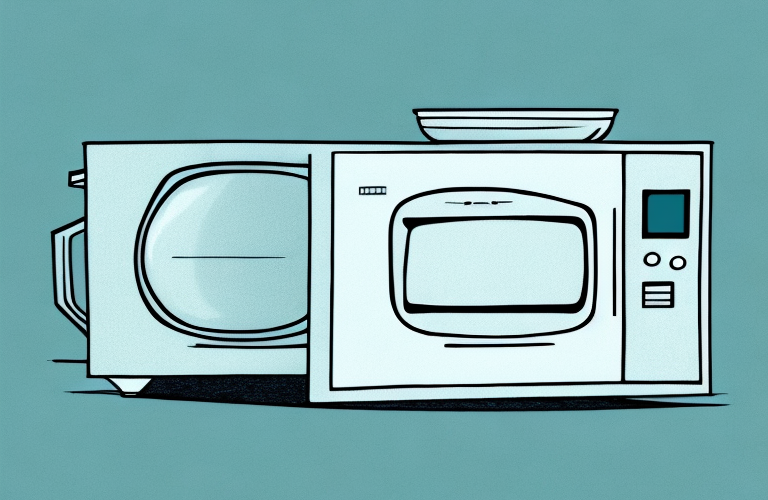
The microwave oven works by using high-frequency electromagnetic waves called microwaves to heat and cook food. Unlike other cooking methods that heat food from the outside, microwaves produce heat from within the food, which allows it to cook fast and efficiently. The varying wattage of microwaves also affects how well and quickly different materials can be heated in a microwave.
It is important to note that not all materials are safe to use in a microwave. Metal objects, for example, can cause sparks and fires, while certain plastics can release harmful chemicals when heated. It is always best to use microwave-safe containers and utensils when cooking or reheating food in the microwave. Additionally, it is recommended to stir or rotate food during the cooking process to ensure even heating and to avoid hot spots that can burn or overcook certain areas of the food.
The Different Types of Ceramic Materials Used in Cookware and Tableware
There are many different types of ceramic materials used in cookware and tableware, and not all of them are microwave-safe. Earthenware, stoneware, bone china, and porcelain are some of the most common types of ceramics used for cooking and serving food. Each type has its unique characteristics, benefits, and drawbacks.
Earthenware is a type of ceramic that is made from clay fired at a low temperature. It is porous and can absorb liquids, which makes it ideal for making dishes like casseroles and tagines. However, it is not as durable as other types of ceramics and can chip or crack easily.
Stoneware, on the other hand, is made from a denser type of clay that is fired at a higher temperature. This makes it more durable and less porous than earthenware, which means it is less likely to absorb liquids. Stoneware is often used for baking dishes, plates, and bowls.
Which Ceramic Materials are Safe for Microwave Use?
Not all ceramic materials are created equal when it comes to microwave safety. Microwave-safe ceramics are those that are designed and tested to withstand the heat and energy of microwaves without cracking, melting, or leaching harmful chemicals into the food. Always check the manufacturer’s label or packaging to see if the ceramic container is safe for use in microwaves.
Some common types of microwave-safe ceramics include stoneware, porcelain, and earthenware. However, it’s important to note that even microwave-safe ceramics can become hot during use, so always use caution when handling them. Additionally, avoid using ceramics with metallic accents or decorations in the microwave, as they can cause sparks and damage to the appliance.
The Risks of Using Non-Microwave Safe Ceramics in the Microwave
Using non-microwave safe ceramics in the microwave can be dangerous as it can cause the container to crack or break, which can lead to burns, cuts, and potential ingestion of broken pieces. Moreover, certain types of ceramics may contain harmful substances such as lead or cadmium, which can leach into the food when exposed to high temperatures.
It is important to note that not all ceramics are created equal. Some ceramics are specifically designed to be microwave safe, while others are not. When purchasing ceramics, it is important to check the label or packaging to ensure that it is safe for use in the microwave. If the container is not labeled as microwave safe, it is best to avoid using it in the microwave altogether.
How to Identify Microwave-Safe Ceramics
If you’re unsure if a ceramic container is safe for microwave use, there are a few things to look for. Firstly, look for a label that says “microwave-safe” or “microwaveable.” Secondly, check whether the container is free of metallic or painted decorations, as these can create sparks and damage the microwave oven. Finally, do the “hot water test” by filling the container with hot water and microwaving it for a minute. If the container stays cool and the water heats up, it’s safe to use.
It’s important to note that even if a ceramic container is labeled as microwave-safe, it’s still important to use caution when heating food in it. Always use oven mitts or a towel to handle the container, as it can become very hot in the microwave. Additionally, avoid heating liquids for too long in ceramic containers, as they can become superheated and potentially explode.
If you’re still unsure about whether a ceramic container is safe for microwave use, it’s best to err on the side of caution and use a different container. Glass and plastic containers are generally safe for microwave use, as long as they are labeled as such and do not have any metallic decorations or lids.
Tips for Properly Heating Food in Ceramic Containers in the Microwave
When microwaving food in ceramic containers, it’s essential to use caution and follow a few simple tips. Firstly, avoid using cracked or chipped ceramics in the microwave, as they can crack further and cause harm. Secondly, always leave a gap or cover the container with a microwave-safe lid or wrap to prevent splatters and spills. Thirdly, stir the food halfway through the cooking process to ensure even heating.
Additionally, it’s important to note that some ceramic containers may become hot to the touch during the microwaving process. To avoid burns, use oven mitts or a towel to handle the container when removing it from the microwave. It’s also recommended to let the food sit for a minute or two before consuming, as the heat may continue to distribute and the container may still be hot.
How to Clean and Care for Your Ceramic Cookware After Microwaving
Cleaning and caring for your ceramic cookware after microwaving is crucial to maintaining its lifespan and safety. Always hand wash ceramics with mild soap and warm water, as dishwashers can cause chipping and cracking. Never use abrasive scrubbers or cleaners, as they can damage the surface and potentially release harmful chemicals. Finally, allow the ceramics to cool before handling to prevent burns and injuries.
Another important tip for cleaning and caring for your ceramic cookware after microwaving is to avoid using metal utensils. Metal can scratch the surface of the ceramics, leading to damage and potentially harmful chemicals being released. Instead, use wooden or silicone utensils to avoid any damage.
It’s also important to note that not all ceramic cookware is microwave safe. Always check the manufacturer’s instructions before using your ceramics in the microwave. If the cookware is not microwave safe, it can crack or even shatter, causing harm to you and your microwave. Additionally, if you notice any cracks or chips in your ceramics, it’s best to stop using them altogether to prevent any potential harm.
Alternatives to Ceramic Cookware for Microwaving Food
If you’re looking for alternatives to ceramic cookware for microwaving food, there are several options. Glass, silicone, and some types of plastics are typically microwave-safe and provide similar benefits to ceramics. However, always verify their safety and durability before using them in the microwave.
Ultimately, ceramic can be safely used in the microwave, but it’s essential to understand the different types of ceramics and their microwave-safe properties. By following these guidelines and tips, you can protect yourself and your ceramics while enjoying quick, easy, and healthy microwave-cooked meals.
It’s worth noting that some metals are not safe for use in the microwave, as they can cause sparks and potentially damage the appliance. It’s best to avoid using metal cookware or utensils in the microwave, and instead opt for microwave-safe materials like glass, silicone, or certain types of plastics. Additionally, always make sure to follow the manufacturer’s instructions for any cookware or containers you plan to use in the microwave, to ensure their safety and longevity.