
Pottery is an art that has been practiced for thousands of years, and it involves the use of several tools to create beautiful ceramic objects. As a beginner or an experienced potter, it is important to understand the various types of pottery tools available in the market to achieve your desired results. In this article, we will discuss the essential and advanced tools needed to create stunning ceramics.
Introduction to Pottery Tools
Pottery tools can be broadly categorized into two groups: essential and advanced tools. Essential tools are necessary for beginners who are just starting out in pottery, while advanced tools are necessary for experienced potters who want to take their skills to the next level.
Some examples of essential pottery tools include a pottery wheel, clay, a kiln, and basic hand tools such as a sponge, wire cutter, and rib. These tools are necessary for beginners to create basic pottery pieces such as bowls, cups, and plates. On the other hand, advanced pottery tools include specialized tools such as a trimming tool, a caliper, and a banding wheel. These tools are necessary for experienced potters to create more intricate and complex pottery pieces such as vases, teapots, and sculptures.
Essential Tools for Beginners
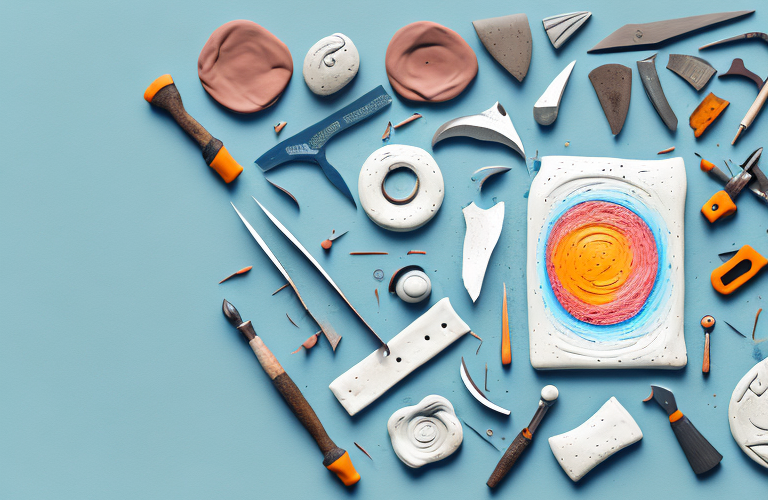
The essential tools for beginners include a clay body, clay tools such as a needle tool, wire cutter, and sponge, a canvas, a rib or scraper tool, and a rolling pin. These tools are used to shape and carve the clay into the desired form. A cleaning tool such as a fettling knife or a serrated rib is also vital to trim and refine the edges of the pottery. Finally, a basic kiln and a glaze brush will be necessary for firing and glazing your pottery.
Aside from the basic tools mentioned above, it is also important for beginners to have a good understanding of the different types of clay available. There are various types of clay, each with its own unique properties and characteristics. For instance, earthenware clay is a popular choice for beginners as it is easy to work with and is suitable for low-temperature firing. On the other hand, porcelain clay is more challenging to work with but produces a beautiful, translucent finish when fired at high temperatures. Understanding the different types of clay will help beginners choose the right clay for their project and achieve the desired results.
Advanced Tools for Experienced Potters
If you are an experienced potter or wish to take your ceramics to the next level, advanced tools are necessary. These include a potter’s wheel, throwing bats, trimming tools such as a chamois, water spray bottle, and a sgraffito carving tool. Additionally, large-scale projects may require a slab roller, extruder, or a spray booth.
One of the most important advanced tools for experienced potters is a kiln. A kiln is used to fire the clay and glaze, which transforms the raw material into a finished ceramic piece. Kilns come in different sizes and types, such as electric, gas, or wood-fired kilns. It is important to choose the right kiln for your needs and to follow proper safety procedures when using it.
Another advanced tool that can enhance your pottery skills is a pug mill. A pug mill is used to mix and de-air clay, which can save time and effort compared to hand wedging. It can also help to create consistent clay batches for larger projects. However, pug mills can be expensive and require regular maintenance to keep them in good working condition.
Understanding the Different Types of Pottery Tools
Pottery tools come in various types, each with a different function. Typically, they fall under the categories of Hand Tools, Wheel Tools, and Kiln Tools. Hand tools are used for shaping and designing the clay by hand, while wheel tools are used with a potter’s wheel to create perfectly symmetrical shapes. Kiln tools, on the other hand, are used to fire and glaze ceramics. Understanding the different types of tools and their uses will help you achieve your desired results.
It is important to note that within each category of pottery tools, there are numerous variations and options available. For example, hand tools can include items such as wooden modeling tools, metal rib tools, and loop tools. Wheel tools can range from basic trimming tools to more specialized items like calipers and throwing sticks. Kiln tools can include everything from kiln shelves and stilts to pyrometers and thermocouples. Choosing the right tool for the job can make a significant difference in the outcome of your pottery project.
Basic Hand Tools for Clay Shaping and Sculpting
Basic hand tools for clay shaping and sculpting include a needle tool, wire cutter, sponge, canvas, rib, rolling pin, and fettling knife. A needle tool is used to score and cut the clay while the wire cutter is used to cut excess clay from the pottery. Additionally, the canvas provides support while rolling and shaping the clay, while the sponge helps to smooth the surface. A rib or scraper tool is used to refine the edges of the pottery, while a rolling pin makes it easy to even out the clay thickness. Finally, a fettling knife is used to cut and clean the clay edges.
It is important to note that the quality of the hand tools used can greatly affect the outcome of the pottery. Investing in high-quality tools can make the process easier and more enjoyable. Additionally, it is recommended to clean and maintain the tools regularly to ensure their longevity and effectiveness.
The Role of Pottery Wheels in Creating Beautiful Ceramics
Pottery wheels are essential to creating symmetrical shapes such as cups, bowls, and vases. The wheel helps to create uniform pressure on the clay, making it easier to shape into the desired form. Additionally, throwing bats are also necessary when throwing on the wheel, as they provide support and hold the freshly thrown clay until it’s ready to be removed.
Another important aspect of using pottery wheels is the ability to control the speed at which the clay is spinning. This allows the artist to adjust their technique and apply pressure in a way that creates unique textures and patterns on the surface of the clay. The use of different tools, such as ribs and wire cutters, also helps to refine the shape and surface of the piece. Overall, the pottery wheel is a crucial tool in the creation of beautiful and functional ceramics.
How to Choose the Right Kiln for Firing Your Ceramics
Kilns are used to fire the pottery to various temperatures depending on the type of clay used. There are different types of kilns available, including gas kilns, electric kilns, and wood kilns. When choosing a kiln, it’s important to consider factors such as cost, fuel type, size, and firing time.
Another important factor to consider when choosing a kiln is the type of work you will be creating. If you plan on creating large pieces, such as sculptures or vases, you will need a kiln with a larger interior. Additionally, if you plan on creating intricate designs or patterns, you may want to consider a kiln with a programmable controller, which allows for more precise temperature and firing control. It’s also important to consider the maintenance and repair costs of the kiln, as well as the availability of replacement parts.
The Importance of Glazes and Their Application Techniques
Glazes are important as they add color and texture to your pottery. They also provide a protective layer that makes your pottery more durable. Glazes come in different types such as underglaze, overglaze, and lead-free glazes. To apply glazes, a glaze brush is necessary. Brushing, pouring, dipping, or spraying are common glazing techniques.
When choosing a glaze, it is important to consider the firing temperature of your pottery. Some glazes are designed for low-fire temperatures, while others require high-fire temperatures. Additionally, some glazes may react differently depending on the type of clay used in your pottery.
Glazing can also be a creative process, as you can experiment with layering different glazes to achieve unique effects. It is important to keep in mind that the order in which you apply the glazes can affect the final result. For example, applying a darker glaze over a lighter glaze can create a layered effect, while applying a lighter glaze over a darker glaze can create a more muted effect.
Maintaining and Caring for Your Pottery Tools
Proper cleaning and storage of your pottery tools are essential to extend their lifespan. After each use, it’s important to clean your tools thoroughly and store them in a secure and organized manner. Additionally, replacing worn-out tools regularly will ensure that your pottery remains of high quality.
Affordable Pottery Tool Brands Worth Checking Out
When purchasing pottery tools, it’s essential to consider both quality and price. There are several affordable pottery tool brands available in the market that offer high-quality products at reasonable prices. Some worth checking out include Xiem Tools, MKM Pottery, and Kemper Tools.
Expert Tips and Tricks for Using Pottery Tools to Create Masterpieces
Using the right pottery tools is essential in creating stunning ceramics. However, there are some tips and tricks that can take your pottery to the next level. For instance, trimming the inside of your pottery can make it lighter and more comfortable to use. Additionally, using a sponge to compress the clay helps to remove air bubbles, making it stronger.
Common Mistakes to Avoid When Using Pottery Tools
When using pottery tools, there are common mistakes that most beginners make. These include using too little or too much water, not cleaning your tools after use, using the wrong type of tool, or not measuring the clay correctly. Addressing these mistakes can enhance the quality of your pottery.
Innovative Uses of Traditional Pottery Tools in Modern Ceramics
As an art form, pottery is constantly evolving, and modern potters are finding new and innovative ways to use traditional pottery tools. For instance, some artists use traditional wheel-thrown pots as the basis for their sculptures. Others use pottery tools to create textures and impressions on the surface of their pottery, resulting in unique and beautiful creations.
Conclusion: Investing in Quality Pottery Tools for Lasting Creations
Pottery is an art that requires the use of various tools to create beautiful creations. Investing in quality tools is essential for creating lasting and stunning pottery. Whether you are a beginner or an experienced potter, understanding the various types of pottery tools and their uses will help you achieve your desired results. With practice and experimentation, you can create beautiful and unique ceramics that showcase your skills and creativity.