
Home kilns come in all shapes and sizes, and can be used for a range of crafts from glass-making and metalwork to pottery and jewelry-making. If you’re looking to get in on the kiln action, you’re probably wondering if you can keep a kiln in your house. The answer is, yes you can – but there are a few things you should consider before you commit.
What is a kiln and what is it used for?
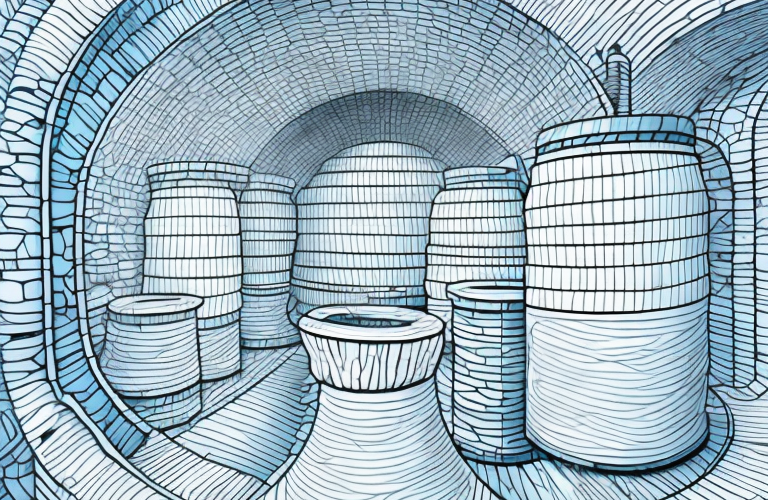
Kilns are oven-like machines used to heat materials at very high temperatures. The materials are usually fragile, such as glass and porcelain, so the extreme heat is necessary in order to shape or harden them. They come in multiple sizes, and can be used for a whole selection of crafts. Kilns are also used in ceramics studios to “fire” pottery and other works.
Kilns are also used in the production of bricks, tiles, and cement. The high temperatures of the kiln are necessary to create the strong bonds between the materials that make up these products. Kilns are also used in the production of metals, such as steel, where the heat is used to melt the metal and shape it into the desired form.
Benefits of having a kiln in your home
Having a kiln in your home can be incredibly useful. It’s a great way to save time and money, as it eliminates trips to the studio or store. You can create your own pieces at home and experiment with new projects or techniques without having to leave the house. And, of course, it’s great for honing your craft.
Having a kiln in your home also allows you to work on projects at your own pace. You can take your time to perfect your pieces and make sure they are exactly how you want them. Additionally, you can fire multiple pieces at once, which can be a great time saver. Finally, having a kiln in your home can be a great way to make a hobby out of pottery or ceramics, as you can easily practice and perfect your craft.
Potential safety risks associated with keeping a kiln in the home
While having a kiln in your house has its advantages, there are certain safety risks you should be aware of. For example, the high temperatures of the kiln can cause fires, and the fumes it produces can be hazardous if not managed properly. They can also cause potential damage to the surrounding surfaces and furniture. To avoid fire and other hazards, it’s important to be extra vigilant when using your home kiln.
It is also important to ensure that the kiln is placed in a well-ventilated area, away from any flammable materials. Additionally, it is important to wear protective gear such as gloves and a face mask when operating the kiln. Finally, it is important to regularly inspect the kiln for any signs of damage or wear and tear, and to replace any faulty parts as soon as possible.
How to choose the right kiln for your needs
When shopping for a home kiln, the most important factor to consider is what materials you wish to work with. Different materials require different temperatures, so make sure you select one that suits your needs. It’s also worth looking into what size is best for you – the larger the kiln, the more powerful the heat it produces and therefore the shorter the firing time.
Necessary equipment for maintaining a kiln in your home
In order to keep your home kiln in working order, you’ll need some supporting equipment. This includes a vent system to control the temperature and direct any fumes away from your home, an appropriate type of shelf to place your projects on, and protective wear – such as gloves and a face shield – to avoid any potential burns.
Proper installation instructions for a kiln in your house
If you’re installing a kiln in your house you must follow safety regulations stipulated by local governments. This usually entails having an appropriate vent system installed and checking all electrical wiring is safe and adequate. Make sure your home kiln is installed according to the manufacturer’s instructions, and remember to consult with a trained technician for any additional advice.
Tips for safe operation of a kiln in the home
It’s important to be extra careful and vigilant when running a home kiln. Be sure to keep flammable materials away from it at all times and never leave it unattended. Make sure children and pets don’t come close to it. Avoid furniture next to or near the kiln, and always wear protective clothing when firing.
Cost of purchasing and running a kiln in the home
The cost of purchasing a home kiln varies significantly depending on its size and model. Prices start from around $200 for basic mini models and can range up to $5,000 for more complex pieces. On top of this, there will be some additional costs involved with running it including purchasing supplies such as shelves, fuel and protective ware.
Where to find additional information and advice on keeping a kiln in your house
For more advice on buying, installing, maintaining and using a home kiln safely, make sure to check out online forums or ask experienced ceramists for tips. Also be sure to contact your local government for any specific rules or regulations that may apply in your area.