Kilns are important tools for ceramics, jewelry-making, and other projects. But with all the different types of kilns available, it can be challenging to know which one is the easiest to use. In this article, we’ll provide a comprehensive look at the different types of kilns and their uses, as well as tips and considerations for choosing the right kiln for your needs.
Types of Kilns and Their Uses
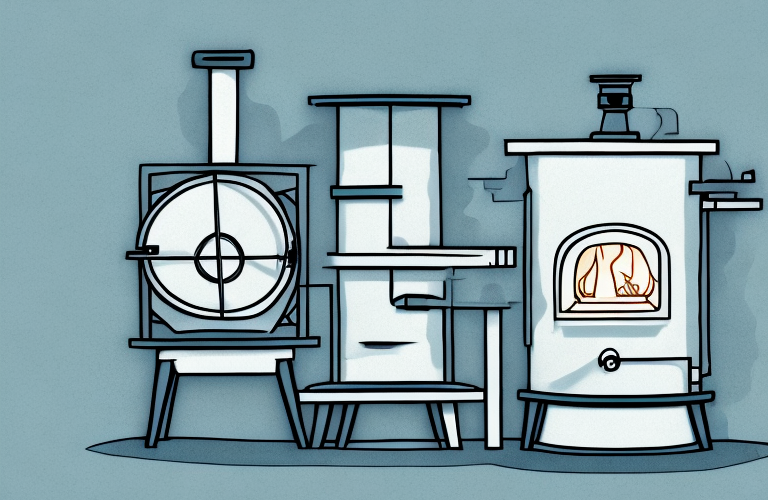
Kilns come in a variety of shapes and sizes, and each type has its own unique features, advantages, and uses. Here’s a look at some of the most popular types of kilns.
- Electric kilns – Electric kilns are the most common types of kilns in use today, and are the easiest to use. They use an electrical current to heat, and can be used for both slow and fast firing. These are ideal for small projects such as jewelry-making or for creating simple ceramics pieces.
- Gas kilns – These natural gas-fired kilns allow for greater control over temperature, which is ideal for making large, complex pieces of ceramics. They are more challenging to use because they require careful monitoring of the flame’s strength and direction, but they provide more consistent results.
- Wood kilns – Wood-fired kilns are great for creating rustic or traditional pieces. They are more labor-intensive to use than electric or gas kilns, and require a specially designed space to operate properly.
- Raku kilns – Raku kilns are designed specifically for raku pottery-making. They run very hot and are controlled with propane. They usually come with a timer to simplify the process.
Understanding Kiln Technology
It’s important to understand the technology that powers different types of kilns. All kilns function the same way by heating the material up to a certain temperature. The speed that a kiln heats up can vary greatly depending on the type of kiln and its settings. Electric kilns are typically the fastest, followed by gas and wood, with raku being the slowest.
Kilns can be set for different temperatures, which will affect how your project turns out. For slower firing processes like raku, you can expect to spend a lot of time fine-tuning the settings to create the desired effects. It’s important to understand how different temperatures will impact your project before you begin.
Considerations for Choosing the Easiest Kiln
The most important factor in determining which type of kiln is best for you is understanding your specific needs. Consider the types of projects you plan to do, as well as what type of budget you have available. Electric kilns are often the cheapest option, while gas and wood kilns require more in terms of installation and upkeep. Raku is generally more expensive than other types.
You should also consider the amount of space you have available. Electric and gas kilns tend to be more compact, while wood and raku ones require more room. When it comes to ease of use, electric and gas kilns will usually be the simplest because they don’t usually involve the same amount of adjustment and monitoring as wood or raku.
Safety Precautions When Using a Kiln
Kilns can be dangerous if not operated properly, so it’s important to take safety precautions. Make sure to read the safety instructions for your specific type of kiln before beginning any project. Even electric kilns can be hazardous if misused; be aware of insulation levels, proper ventilation, and other safety tips.
For gas or wood kilns, it’s even more important to be aware of hazards. Gases from these types of kilns can be dangerous, so make sure your setup provides good ventilation. Be aware of open flames and ensure that combustible objects are kept away from these types of kilns when in use.
Common Features and Settings on Kilns
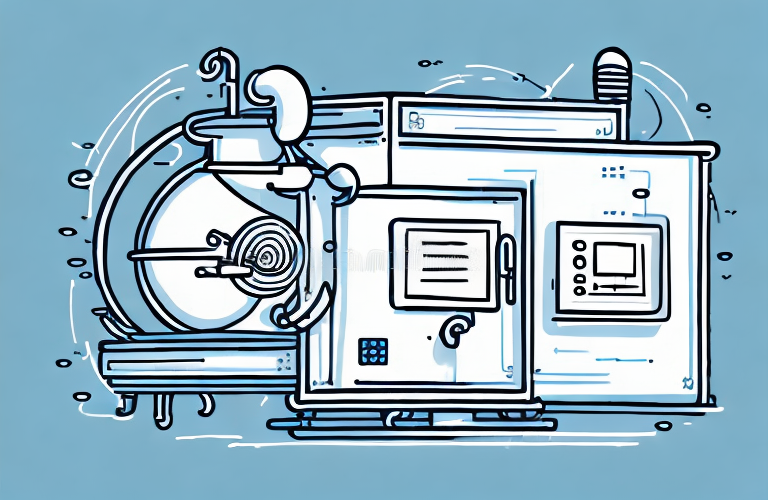
Modern electric kilns have many features designed to make them easier to use. Most come equipped with a digital display to show temperature settings, as well as programmed settings that allow you to quickly switch between firing processes. With gas or wood kilns, you’ll need to manually adjust the flame and wind patterns, though some models have digital readout screens to help simplify the process.
When it comes to firing, one key feature is a “ramp up” setting, which gradually boosts temperatures over a prolonged period of time, allowing delicate workpieces like porcelain to reach the appropriate temperature slowly and evenly. Many electric kilns also have “final cool” settings, which allow them to slowly cool down after firing is complete. Gas and wood kilns typically require manual adjustment for cooling rates.
Tips for Getting the Most Out of Your Kiln
Getting good results from your kiln requires careful attention to detail. Read through your glassworking or ceramic-making books for helpful tips specific to your project type. Make sure your workspace is well ventilated and wear protective gear like gloves and eye protection while firing your kiln.
When loading your kiln, always place pieces far enough away from each other and the walls. These pieces could warp or explode during firing if they’re not placed properly in the correct temperature range. Load similarly shaped pieces together on one shelf if possible.
Finally, make sure you read your owner’s manual before using any new machine, as different models have different features that need to be understood.
Troubleshooting Common Issues With Kilns
If you’re having trouble with your kiln, make sure that it is plugged in properly and that there is no dust or debris blocking vents or fans. For electric problems, check your owner’s manual for troubleshooting tips, as most problems can be resolved by following simple diagnostic steps. Some electric issues could be resolved with a simple fuse replacement.
For gas or wood issues, note that these sorts of problems can be harder to diagnose as even slight adjustments can have significant impacts on how a project turns out. Make sure that you clean burners regularly, replace any corroded parts that may be causing a problem, and never attempt external fixes—it’s best to call an experienced technician in these cases.
Expert Tips for Using a Kiln Easily and Effectively
To get the most out of your kiln, follow these expert tips:
- Make sure your workspace is well ventilated; use a fume hood if possible.
- When loading projects into your kiln, leave enough space between pieces and group similarly shaped pieces together on one shelf.
- Always wear protective clothing when firing your kiln.
- Read through firing instructions carefully before beginning any project.
- Keep an eye on temperature gauges or digital displays during firing.
- Check owner’s manual for troubleshooting tips if there are any issues.
By following these tips, you should be able to get the most from your kiln and make sure your projects turn out just as you imagined.
Conclusion
Choosing the right kiln is essential if you want to get good results from your projects. Whether you choose an electric, gas, wood, or raku kiln, understanding their features and safety considerations is key. Finally, make sure you follow expert tips for using a kiln easily and effectively for the best results.