
For aspiring potters, firing clay is a crucial step to making a beautiful and functional piece of art. But what happens when you attempt to put wet clay in the kiln? Is it possible?
Understanding the Process of Firing Clay
Firing clay is the process of using high temperatures to harden the clay, changing its texture and physical structure. After the firing process is complete, the clay is no longer malleable and can be used for decorative and functional purposes. Clay must be fired in order to make it durable and usable for both artists and consumers.
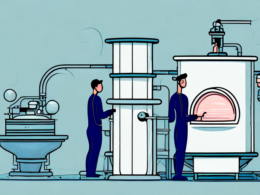
Firing clay typically requires a kiln. A kiln is an oven or furnace specifically designed to reach and maintain extreme temperatures required for the firing process. Different types of clay require different temperatures for firing, as indicated by the kiln’s manufacturer.
The firing process can take anywhere from a few hours to several days, depending on the type of clay and the desired outcome. It is important to monitor the kiln during the firing process to ensure that the clay is not over-fired or under-fired. Over-firing can cause the clay to become brittle and weak, while under-firing can cause the clay to remain soft and malleable.
What Happens When You Put Wet Clay in the Kiln?
Clay must be prepared before firing; otherwise, the clay will not follow the desired design and may cause damage to your kiln. Preparing clay means that the clay must be very dry; otherwise, the pottery will not fire correctly. If you attempt to put wet clay in the kiln, the results may be volatile, ranging from uncontrollable explosions to cases of extreme trial and error. The extra moisture will cause uneven heat distribution, meaning that certain parts of your piece can crack during the firing process.
In addition, wet clay can cause the kiln to overheat, leading to further damage to the kiln and the pottery. It is important to ensure that the clay is completely dry before firing, as this will help to ensure that the pottery is fired correctly and that the kiln is not damaged in the process.
Benefits of Firing Clay
Firing clay provides a number of benefits. The high temperatures of a firing process allow the clay molecules to bond together, creating a stronger and more durable pottery or ceramic piece. This can help make the piece less brittle and crack resistant. The fired piece has an attractive glossy sheen, which adds to its aesthetic appeal. Lastly, firing helps to protect the piece of art from wear and tear over time.
How to Prepare Wet Clay for Firing
When preparing wet clay for firing, potters must use the correct techniques to control the moisture level of the clay before it goes into the kiln. The traditional techniques used include air-drying and personal drying methods such as wedging and keying. A popular method in recent years is baume-testing, which involves measuring the water content of clay by weighing and noting its relative density.
Tips for Firing Clay in a Kiln
When firing any type of clay, it’s important to follow some safety precautions to avoid any accidents. Wear safety goggles and safety glasses while operating a kiln, as flying particles and cracks can cause serious eye injuries. Always use a pottery thermometer, as the temperature inside a kiln can easily exceed 1,000°F. Avoid leaving open flames near a hot kiln, as this can be a fire hazard. Lastly, make sure to preheat the kiln before putting your work inside; otherwise, your pottery will not fire properly.
Safety Precautions When Working with Kilns
Before working with a kiln, it’s important for potters to understand some basic safety precautions. All fires should be kept at least 20 feet away from any combustible materials. Always make sure that there are several fire extinguishers near your workspace in case of any emergencies. Additionally, all pots should be placed on kiln shelves that are at least 8 inches away from the walls of your kiln.
Troubleshooting Common Issues with Firing Clay
When firing clay in a kiln, there are some common issues that potters may experience. A common issue is uneven heating, which can lead to poor results such as cracking or exploding pieces. This can be due to uneven temperatures throughout the kiln; if this happens, try resting your pieces on refractory bricks for more even heating. Another issue is warping; if this occurs, try using a slow cooling process to minimize warping.
Alternatives to Firing Clay in a Kiln
If you do not have access to a kiln, there are alternatives available for firing clay. Cold-porcelain clay is an example of one such option; cold-porcelain clay can be fired without a kiln by baking it in an oven at 275°F for 20 minutes. Another option is raku pottery, which involves reducing pieces in sawdust after placing them in an over-fired kiln. Finally, you can also purchase air-dry clays; these clays require simple air-drying after molding and don’t need to be fired in a kiln.
In conclusion, it is not safe to directly put wet clay in a kiln due to the possibility of crackling and explosions in the finished product. It’s important for potters to practice safety when firing their work in a kiln, and there are interesting alternatives available if no kiln is available.